
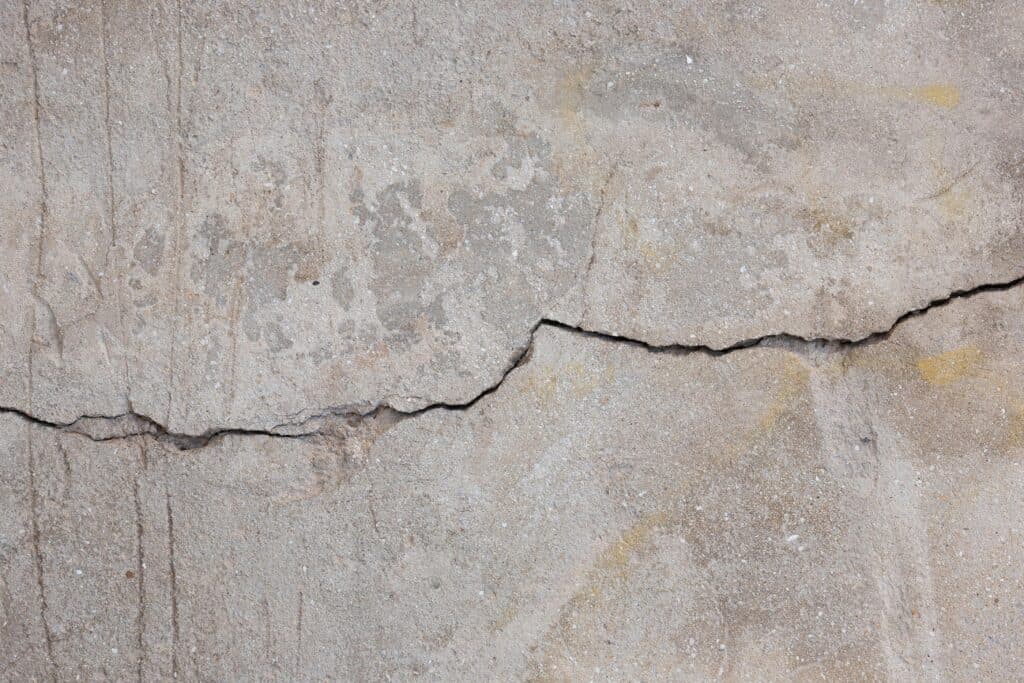
Vertical vs horizontal foundation cracks can tell very different stories about your home’s structural health. Homeowners often spot cracks in basement walls or foundations and wonder if the crack’s direction matters. In fact, the orientation of a foundation crack – whether it runs up-and-down (vertical) or side-to-side (horizontal) – is a key indicator of what caused it and how serious it might be. Generally, vertical foundation cracks are common and often stem from natural settling, while horizontal foundation cracks are more alarming, often pointing to significant pressure or damage. In this article, we’ll explain what vertical and horizontal cracks mean, how to fix them, and steps you can take to protect your home’s foundation.
Understanding Foundation Crack Orientation
Cracks in a foundation aren’t all created equal. The direction a crack travels can reveal its cause and severity. Vertical cracks typically run straight up and down (or at most a slight diagonal tilt within about 30° of vertical), while horizontal cracks run along the wall parallel to the ground. Here’s why that distinction is important:
- Vertical cracks: Often caused by settling of the foundation or curing shrinkage in concrete. They tend to be narrower and less ominous in terms of structural danger. A vertical crack by itself, especially a thin one, usually means the foundation moved a bit as the house settled or the concrete shrank as it hardened.
- Horizontal cracks: Usually caused by lateral forces pushing inward on the foundation wall – for example, expanding soil, water pressure (hydrostatic pressure), or frost. These cracks are considered more serious because they indicate the wall is bending or yielding to pressure. A horizontal crack often signals potential structural issues like a bowing basement wall.
Which is worse? In most cases, horizontal cracks raise more concern than vertical ones. Multiple expert sources (National Association of Realators) agree that horizontal foundation cracks are typically more dangerous and indicate greater structural stress. Vertical cracks, especially hairline ones, may be monitored over time, whereas horizontal cracks often require immediate attention.
It’s worth noting that diagonal cracks (cracks at roughly 45° angles) can also occur and are usually related to uneven settling or subsidence. Diagonal cracks are often considered more concerning than purely vertical cracks, though not quite as directly alarming as horizontal cracks. They can indicate one side of the foundation is dropping or heaving more than the other. However, for this discussion, we will focus on the clear-cut vertical vs horizontal cases.
Vertical Foundation Cracks: Causes and Significance
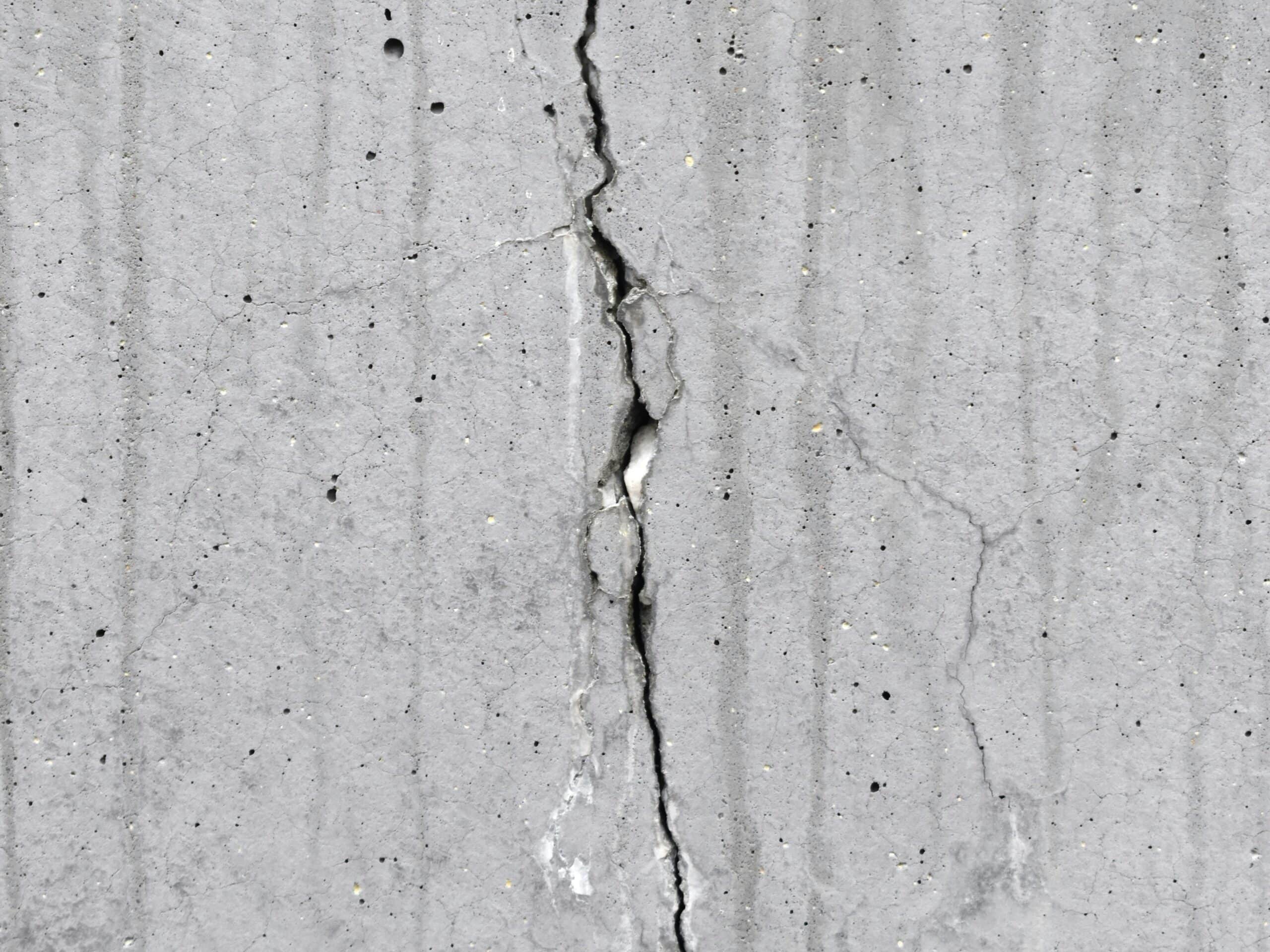
Vertical foundation cracks are the most common type homeowners encounter. They run upward and downward, roughly in a straight line. Here’s what you need to know about why they happen and how worried you should be:
- Natural Settling: The number one cause of vertical cracks is normal settling of the house. As a new home’s concrete foundation cures and the weight of the structure compresses the soil beneath, small vertical cracks may form. According to experts, these cracks often appear within the first few years after construction and usually aren’t a major threat. They are sometimes called shrinkage cracks or settlement cracks.
- Soil Movement: Even in older homes, seasonal soil changes can lead to vertical cracking. For example, in drought conditions clay soil can dry, shrink, and pull away from the foundation, removing support and causing the concrete to crack vertically as it settles further into the gap. Conversely, when extremely wet soil later swells, it might not cause vertical cracks to close completely, and the cycle of shrink-swell can gradually worsen cracks.
- Construction and Curing Issues: If the foundation concrete was poured and cured improperly, or if the underlying ground was not well compacted, the foundation might settle unevenly over time. Poor compaction or weak concrete can lead to vertical or slightly diagonal cracks forming as the structure adjusts. Also, rapid drying of concrete can cause hairline vertical cracks from shrinkage.
- Low Urgency (Usually): Vertical cracks are often considered a low to moderate urgency issue. Many vertical cracks are hairline thin (under ~1/8 inch wide) and stable. These typically pose minimal structural riskr. For instance, the National Association of Realtors notes that a vertical crack generally warrants monitoring and maybe simple sealing unless it grows wider or leaks wate. However, not all vertical cracks can be ignored – their size and behavior matter, as explained next.
When to worry about vertical cracks? Pay attention to the width and changes in a vertical crack. A thin crack that stays the same over time is usually not an emergency. But if a crack is widening, has uneven edges, or is wider than about 1/4 inch, it could indicate continuing movement or a significant settlement issue. Also, multiple parallel vertical cracks in close proximity could mean a section of the foundation is dropping and fracturing in increments – that scenario deserves a professional evaluation. In general, if you can slip a quarter or your fingertip into a vertical crack, that’s a big crack requiring attention. As This Old House advises, foundation cracks over 1/4 inch wide typically need professional repair, while hairline cracks under 1/8 inch are often cosmetic.
Another red flag is if a vertical crack is wider at one end (for example, wider at the top than bottom). That could point to differential settling – one part of the foundation sinking more than the other. Such a crack might angle slightly (making it a diagonal) and indicates an uneven load distribution.
Horizontal Foundation Cracks: Causes and Dangers
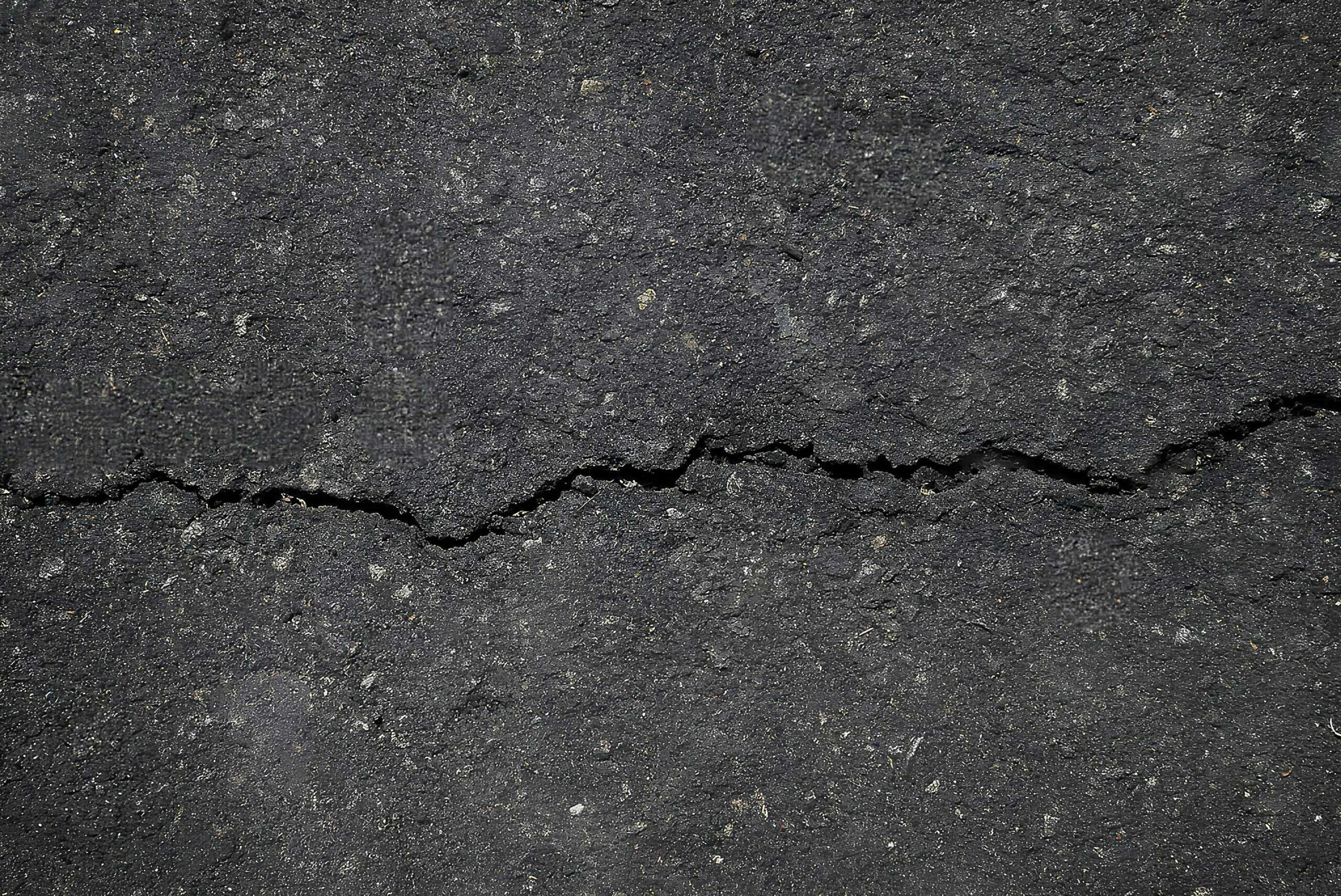
Horizontal cracks in a foundation wall are typically more unsettling to find. Instead of the foundation settling downward, horizontal cracks suggest the foundation wall is bowing or being pushed inward. Key causes of horizontal cracking include:
- Hydrostatic Pressure: One of the most common causes is water pressure in the soil. When the ground around your foundation becomes waterlogged (for instance, from poor drainage or heavy rain), that saturated soil exerts hydrostatic pressure against the foundation wall. Concrete and masonry walls can only take so much bending – if the pressure exceeds the wall’s strength, it can crack horizontally as it begins to bulge inwardd. This often occurs in basements when gutters or grading fail to keep water away, or in high water table areas.
- Expansive Clay or Frost Heave: If you live in a cold climate, water in soil can freeze and expand, causing frost heave. This can shove a foundation wall inward and lead to horizontal cracking near the frost line. Similarly, clay-rich soils expand dramatically when wet and shrink when dry. Seasonal cycles of swelling soil can apply lateral force on the foundation. Over time, this can create horizontal fractures, especially in block foundations.
- Soil Settlement or Poor Backfill: It may sound counterintuitive, but even settlement can cause some horizontal cracking. If part of the foundation settles unevenly, it might put stress on the wall in various directions. More commonly, however, horizontal cracks occur when the exterior soil wasn’t properly compacted during construction. Poorly compacted backfill can later settle and leave voids or shifts that let the foundation wall move outward and crack. Tree roots growing and pushing against the foundation can also contribute to horizontal crack formation.
- Structural Overload: Occasionally, horizontal cracks could indicate the wall itself is overloaded – for example, if a heavy structure is bearing on a foundation wall not designed for it, or if there’s an earthquake or other lateral stress. In most residential cases, though, horizontal foundation cracks signal external pressure (water or soil) that the wall wasn’t designed to handle.
Why horizontal cracks are serious: A horizontal crack means your foundation wall is starting to fail in bending. In plain terms, part of the wall is bowing inward. This is a structural concern because if the bowing worsens, the wall could eventually buckle. Horizontal cracks are generally considered more dangerous than vertical cracks because they can compromise the wall’s integrity much faster. In fact, a horizontal crack of any significant length or width is often a high urgency issue – the National Association of Realtors advises consulting a professional for any horizontal crack, even hairline, due to the underlying movement or pressure it signifies.
Signs that a horizontal crack is severe include bulging or bowing of the wall along the crack line, multiple horizontal cracks in the same area, or horizontal cracks accompanied by vertical or diagonal cracks at the ends (which can mean the wall is shearing or tilting). If you have concrete block (CMU) foundation walls, horizontal cracks might appear along mortar joints and be accompanied by stair-step cracks near the corners – this often indicates the wall is tipping or bowing from soil pressure.
Horizontal cracks & crumbling concrete: In rare cases, horizontal cracking can also result from material defects. An example is the crumbling foundation epidemic in Connecticut, where concrete containing the mineral pyrrhotite caused slow deterioration of foundations. In those cases, horizontal cracks (and spiderweb cracking patterns) were an early warning sign of the concrete breaking down. The Connecticut Department of Housing notes that in affected homes the cracking starts small and “horizontal cracks or cracks that splinter out like a web are the most concerning,” often indicating severe compromise of the concrete. While this is a specific scenario, it underscores that horizontal cracks are red flags for structural integrity.
In summary, if you find a horizontal crack in your foundation, take it seriously. It’s wise to get a professional structural assessment sooner rather than later to avoid further damage or even a wall collapse in extreme cases. Next, we’ll cover what steps to take to repair both vertical and horizontal cracks.
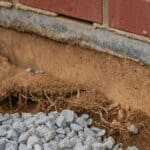
Figure: A horizontal crack along a basement foundation wall. Horizontal cracks like this – especially if wider than ~1/8 inch – indicate inward pressure on the wall and potential structural issues. Such cracks often result from water-saturated soil pushing against the foundation, or from frost expansion in colder climates. As a rule of thumb, any significant horizontal foundation crack should be evaluated by a professional. Homeowners can mitigate further damage by relieving soil pressure (improving drainage, removing excess water) but the crack itself usually requires expert repair to reinforce the wall.
How to Fix Vertical Foundation Cracks
When it comes to fixing vertical cracks, the approach can range from a simple DIY seal to more extensive stabilization if the crack is due to ongoing movement. Here are common methods to address vertical cracks:
- Epoxy or Polyurethane Injection: For many vertical wall cracks, a popular repair is to inject an epoxy or polyurethane foam sealant. These crack repair kits are widely available (home improvement stores or Amazon) and allow homeowners to fill the crack from the inside. The resin or foam travels deep into the crack and hardens, sealing it to prevent water intrusion. Epoxy cures rigid and can even restore some strength, while polyurethane foam remains a bit flexible and is good for stopping leaks. Kits typically include resin cartridges and tubing you insert into the crack. This method is effective for cracks that are not actively enlarging – it’s a permanent waterproofing fix for many shrinkage cracks. DIY crack injection kits can cost a few hundred dollars, much less than professional repair, making them a go-to for minor vertical cracks.
- Hydraulic Cement or Sealant Patching: Another DIY-friendly fix is using hydraulic cement or masonry caulk to patch the crack on the surface. Hydraulic cement is a fast-setting, expanding material that can be forced into a crack (usually after chiseling the crack open a bit) to plug gaps and stop leaks. It’s very handy for small cracks because it hardens even under wet conditions. Homeowners often use hydraulic cement or waterproof masonry sealants on hairline cracks to keep groundwater out. However, be aware that these are generally surface fixes – they might not fill the deepest part of the crack, and if the wall continues to move or settle, the crack could reopen around the patch. Think of these solutions as stopping water and air leaks, but not necessarily adding structural strength.
- Monitoring and Wait-and-See: If a vertical crack is truly tiny (hairline) and not leaking, the best “fix” might be to simply monitor it over time. Mark the ends of the crack with pencil or tape, and check every few months to see if it’s growing. Many hairline vertical cracks from initial settling won’t grow further. Ensure you maintain stable moisture around the foundation – extreme drying or wetting of soil can exacerbate movement. As one university extension expert notes, keeping soil moisture consistent (not too dry or too wet) around your foundation can prevent additional stress that causes cracks. Regularly inspecting your foundation (see our Free Foundation Inspection Guide) can help catch changes early.
- Professional Evaluation: If a vertical crack is wide, worsening, or accompanied by other symptoms (like a sloping floor or sticking doors above, which indicate foundation movement), call a foundation repair professional or structural engineer. They might recommend measures like underpinning if part of the foundation is sinking. Underpinning involves strengthening the foundation under the crack (for instance, using push piers or helical piers driven into stable soil). This stops further settlement. In less drastic cases, they might simply rout and seal the crack with industrial epoxies, or attach carbon fiber strips across the crack on the interior wall to prevent it from widening. The cost for professional vertical crack repair can range widely. Minor epoxy injections by a pro might run a few hundred dollars, whereas underpinning or major structural repairs could be several thousand. (This Old House notes basic crack repairs average a few hundred dollars, while major foundation fixes can exceed $2,000.)
Important: Even after you fix a vertical crack, remain vigilant. If the crack was sealed, check that the seal holds and no new cracks form nearby. A sealed crack that tears open again signals ongoing movement that needs further intervention. Also, address any underlying causes. For example, if poor drainage was allowing water to weaken the soil (leading to settlement), take steps to improve drainage (more on prevention below). If tree roots were an issue, consider root barriers or removing the problem tree. Fixing the crack without solving the cause is only a temporary solution.
Lastly, if you’re in a region with known issues (e.g., expansive clay soil or frost heave), seasonal precautions can help. In droughts, keep soil lightly watered near the foundation to prevent excessive shrinkage. In wet seasons, ensure water is directed away from the foundation so soil doesn’t get overly saturated and soft.
How to Fix Horizontal Foundation Cracks
Repairing horizontal foundation cracks is more challenging and often not a DIY job. Because horizontal cracks usually mean structural stress, the fixes typically involve reinforcing the wall and relieving the external pressures. Here are the common strategies:
- Consult a Professional Engineer or Foundation Specialist: The first step should be a professional assessment. Any notable horizontal crack should be examined by someone experienced in structural foundation issues. They will determine if the wall is actively moving (bowing) and measure the extent of damage. They might use tools like laser levels or crack monitors to gauge deflection. This assessment guides the repair approach – whether the wall can be salvaged or needs partial rebuilding.
- Wall Reinforcement Systems: For many horizontal cracks, the remedy is to reinforce the wall to prevent further inward movement. This can be done in a few ways:
- Steel I-beams: Steel beams can be vertically installed against the inside of the foundation wall, spaced every few feet, to brace the wall. They are anchored to the floor and joists, holding the wall in position. This is a tried-and-true method for stopping a wall from bowing further.Carbon Fiber Straps: These are high-strength straps epoxied to the wall surface. Carbon fiber reinforcement is thinner and less obtrusive than steel beams. It’s best for cracks and bowing that are not extremely severe (usually used when deflection is under a certain limit, e.g., less than 1 inch of bow). The straps help distribute the load and keep the wall from bulging.Wall Anchors/Tie-Backs: This method involves attaching metal anchors to the wall and running steel rods out into the yard soil, anchored in solid ground away from the foundation. By tightening these rods, the wall can sometimes be slowly pulled back toward plumb over time. Wall anchors are often used for bowed block walls.
- Relieving External Pressure: It’s crucial to also fix the cause of the horizontal crack – usually, that means reducing the pressure from outside. Improving drainage around your foundation is paramount. Steps might include:
- Ensuring gutters and downspouts channel water at least 5-10 feet away from the foundation.Regrading the yard so that the soil slopes downward away from the house (a slope of about 6 inches drop per 10 feet is a common recommendation).Installing a French drain or perimeter drain system to collect groundwater and relieve hydrostatic pressure.In severe cases, excavating the exterior side of the foundation to take pressure off the wall and then waterproofing the wall and adding proper backfill (e.g., gravel instead of expansive soil) before re-covering. This is a major job but can straighten a wall and protect it long-term.
- Underpinning if Necessary: Sometimes horizontal cracks accompany a general foundation settlement. If one part of the foundation sank (causing a horizontal crack and drop), simply bracing the wall might not be enough – the foundation might need to be underpinned and leveled. Underpinning involves extending the foundation to more stable soil or bedrock, often using piers driven below the footing. This is a job for foundation repair contractors. It can stop further settling and may help close the crack slightly, but usually, the wall still needs reinforcement to handle the prior damage.
- Cost and Scope: Repairing horizontal cracks tends to be more expensive than vertical crack repairs. Reinforcements like carbon fiber straps can cost around $500–$1,000+ per strap, and steel beam installations or wall anchor systems can run several thousand dollars depending on how many are needed. Excavation and exterior waterproofing or underpinning can push costs into the high thousands. While expensive, these repairs restore structural integrity and are critical for your home’s safety. Ignoring a serious horizontal crack could lead to catastrophic failure, which would be far more costly. Home inspectors and structural engineers often say that early intervention is key – a horizontal crack caught early might be stabilized for a few thousand dollars, whereas waiting until the wall bows significantly could mean a $20,000+ wall replacement project.
In all cases with horizontal cracks, professional guidance is essential. Have a licensed engineer or reputable foundation repair company design the fix. Many will provide a free or low-cost inspection and quote. Additionally, check your homeowner’s insurance policy; most standard insurance does not cover foundation cracks due to normal soil pressure or settling, unfortunately. But if the crack was caused by a specific covered event (like an earthquake or sudden pipe burst flooding the soil), there might be coverage. It’s worth understanding your policy while planning repairs.
Preventing Future Foundation Cracks
While not all cracks are preventable (every house will settle and hairline crack a bit), homeowners can definitely take steps to minimize the risk of serious foundation cracking. Many preventive measures boil down to controlling moisture and relieving stress on the foundation. Here are some foundation maintenance tips to help avoid both vertical and horizontal cracks:
- Manage Water and Drainage: Water is the enemy when it comes to foundation stress. Ensure you have a good gutter system and that downspouts lead water well away from the foundation. Keep gutters clean so they don’t overflow next to the house. Consider using downspout extensions or drain pipes to route water safely away. The Department of Energy also advises proper grading around your foundation to naturally drain rainwater outward. By reducing soil saturation near the foundation, you lessen both settling (from soil getting soft) and lateral pressure (from soil swelling).
- Control Soil Moisture: As mentioned earlier, consistency is key. During very dry periods, the soil can shrink away from the foundation (especially clay soil), leading to settlement and vertical cracks. During very wet periods, soil can swell and press on walls, causing horizontal cracks. Try to keep the soil moisture relatively stable. Water the ground a foot or two away from the foundation during extended droughts (don’t soak right against the wall, but keep soil from pulling away). In wet seasons, if you notice ponding water near the house, address it with drains or landscaping.
- Landscape Wisely: Avoid planting large trees or shrubs too close to the foundation. Roots can both draw moisture unevenly (drying out soil in one area) and physically push on foundation walls or footings. If you already have big trees nearby, consult an arborist about root barriers or other solutions if you’re concerned about foundation impacts.
- Prevent Erosion: If you have gutter downspouts dumping water near the foundation or if natural runoff flows along the foundation, you can get soil erosion that removes supporting soil from under the footing. This can cause parts of the foundation to settle and crack. Take steps to divert water and consider rock beds or turf to reduce erosion. Our How to Fix Soil Erosion Around Foundation guide offers detailed solutions like regrading soil, using french drains, and reinforcing soil with mulch or groundcover to keep your foundation’s support intact.
- Maintain Consistent Indoor Conditions: Sudden changes in the load on your foundation can have minor effects too. For example, if a house is left vacant without climate control, extreme indoor-outdoor temperature differences could possibly affect the concrete or surrounding soil moisture. Keeping your basement or crawlspace from getting excessively humid can prevent some moisture-related expansion. Also, avoid overloading any particular area of your home (for instance, a heavy new hot tub next to the foundation wall) without checking the foundation’s capacity.
- Address Small Cracks Promptly: As a preventative strategy, don’t ignore small cracks when you find them. Seal hairline cracks so that water cannot get in. Water entering a crack can freeze (if in a cold climate) and widen the crack, or can erode soil from the inside. Sealing also keeps out moisture that could lead to mold in basements. Products like masonry sealant, epoxy, or flexible sealants designed for concrete can be used. Just remember to monitor after sealing – if the crack reopens, that signals ongoing movement.
- Regular Inspections: Make it a habit to walk around your home’s exterior and peek at the foundation walls (as much as visible) at least a couple of times a year. Also check your basement or crawlspace walls inside. Look for new cracks or changes in existing ones. A convenient time is with the change of seasons, since many cracks develop or expand due to seasonal moisture changes. You can even keep a simple log or take photos periodically – this helps spot trends. Our Free Foundation Inspection Guide can assist you in systematically evaluating your foundation and spotting warning signs early. Catching issues early often means simpler, less costly repairs.
By taking these steps, you greatly improve your odds of maintaining a crack-free (or crack-minimal) foundation. Think of it as an investment in your home’s longevity – a little gutter cleaning or soil grading today can stave off an expensive foundation repair tomorrow.
Figure: Ensure proper drainage to protect your foundation. Simple measures like sloping the soil away from the house and extending downspouts can help keep water from pooling against your foundation. Poor drainage is a leading cause of the hydrostatic pressure that creates horizontal cracks. By managing roof runoff and ground water, you reduce soil expansion and erosion, protecting the foundation from undue stress.
When to Call a Professional

Sometimes, no matter how vigilant you are, cracks happen. The big question is: when should you bring in an expert? Here are some guidelines on when to seek a professional foundation inspection:
- Horizontal Cracks: As stressed earlier, any significant horizontal crack should be evaluated by a professional immediately. This is non-negotiable, given the potential severity.
- Wide or Growing Cracks: If you have a crack (vertical, diagonal, or horizontal) that is wider than 1/4 inch, or one that has noticeably grown or changed since you first observed it, call a foundation expert or structural engineer. Rapid changes are a red flag that something active is happening.
- Water Leakage: If a crack is letting water into your basement during rains, you should have it looked at. Even if the crack is not structurally dangerous yet, water intrusion can lead to mold and damage, and it indicates gaps you want to seal properly.
- Multiple Cracks / Pattern of Cracks: One small crack might not be worrisome, but if you start seeing many cracks, or a combination of vertical and horizontal cracks in the same area, get an inspection. A pattern of cracks often points to a single underlying issue (like a section of foundation settling, or a bowing wall) that needs addressing.
- Other Structural Signs: Cracks accompanied by other signs like uneven floors, sticking doors or windows, or cracks in interior walls and ceilings should prompt a professional evaluation. These could indicate foundation movement affecting the rest of the house.
- Peace of Mind: Even if a crack seems minor, there’s no harm in having an expert give an opinion, especially if you’re a new homeowner or unfamiliar with foundation issues. Many foundation repair companies offer a free inspection or evaluation. They can tell you whether a crack is “just cosmetic” or something to fix now. Use resources like our Free Foundation Inspection Guide to know what to expect and what questions to ask during an inspection.
During a professional inspection, the specialist will likely measure crack widths, maybe use devices to see if walls are plumb, and inspect the exterior for clues (like poor drainage or sagging gutters). They might also check the crawlspace or slab for movement. Afterward, they should provide a report or quote detailing what they found and what repair options exist. Always ensure you understand the plan and, if in doubt, you can seek a second opinion (especially for costly projects).
Remember, foundations are literally the base of your home’s safety. It’s worth being proactive. As one expert aptly put it: your home’s foundation is no place for guesswork – if in doubt, get a qualified assessment. That small crack might be nothing, or it might be the first hint of a serious issue; distinguishing the two is where professional knowledge is invaluable.
Frequently Asked Questions About Foundation Cracks
What causes vertical cracks in a foundation wall?
Vertical cracks are typically caused by natural settling, concrete shrinkage during curing, or minor soil movement beneath your foundation. These cracks often run straight up and down and are usually not structural threats but can allow water seepage if left unsealed.
Are horizontal foundation cracks serious?
Yes — horizontal cracks are often signs of structural stress or bowing walls. They occur when hydrostatic pressure or frost heave pushes inward on foundation walls. These cracks should be evaluated by a foundation professional as soon as possible, since they can indicate structural failure.
How can you tell the difference between vertical and horizontal foundation cracks?
Vertical cracks run up and down, usually caused by normal settlement or curing shrinkage. Horizontal cracks run along the wall and suggest lateral soil pressure or water damage. The orientation helps determine severity and whether repairs are cosmetic or structural.
Can vertical foundation cracks be repaired from inside the basement?
Yes. Many homeowners repair vertical cracks using epoxy or polyurethane injection from the interior side. This process seals the crack through the wall to stop water intrusion and restore strength. However, large or widening cracks may require professional inspection.
How are horizontal foundation cracks repaired?
Horizontal cracks often require structural reinforcement — such as installing carbon fiber straps, wall anchors, or steel beams. These systems help stabilize the wall and prevent further bowing. Severe cases might also require excavation and waterproofing on the exterior.
Will sealing foundation cracks prevent future problems?
Sealing can stop water leaks and slow deterioration but won’t fix underlying soil or drainage issues. To prevent future cracks, homeowners should control exterior water flow with grading, gutters, and proper downspout extensions.
When should I call a professional for a foundation crack?
You should contact a foundation specialist immediately if cracks are wider than 1/8 inch, run horizontally, or show signs of movement or water seepage. Rapidly changing or multiple cracks also warrant a professional inspection to rule out structural damage.
Can poor drainage cause foundation cracks?
Absolutely. Poor grading, clogged gutters, or short downspouts allow water to pool around your foundation, increasing hydrostatic pressure on basement walls. Over time, this moisture can cause both vertical and horizontal cracking.
Wrapping Up
Understanding the difference between vertical and horizontal foundation cracks can help you gauge the urgency and take appropriate action. In summary, vertical cracks often point to minor settling or shrinkage and are usually less serious – many can be managed with monitoring and simple repairs like epoxy injections or hydraulic cement patches. Horizontal cracks, on the other hand, are cause for concern, typically signaling outside pressure or structural weakness; these often demand professional intervention and wall reinforcement.
The good news is that even serious cracks can be fixed with today’s foundation repair techniques, from carbon fiber straps to steel beams and underpinning. The key is to catch problems early and not ignore the warning signs. Keep an eye on your basement walls, maintain your gutters and grading, and don’t hesitate to call for an expert opinion if something doesn’t look right. By staying informed and proactive, you can protect your home’s foundation for the long haul. After all, a strong foundation is literally what keeps your house standing strong.


Pingback: Best Foundation for Clay Soil: Homeowner’s Guide to Inspection & Repair
Pingback: Free Foundation Inspection | Protect Your Home’s Structure
Pingback: Best Soil for Foundation Grading: Slope & Drainage Tips
Pingback: Basement Waterproofing: Warning Signs to Watch For
Pingback: What Does a Wood Moisture Meter Do? How to Check for Damp Wood
Pingback: Concrete Slab vs Crawl Space: Which Foundation Is Best for Your Home?
Great breakdown! Understanding the difference between vertical and horizontal foundation cracks can help homeowners spot problems early and choose the right repair. It’s also worth remembering that foundation cracks can allow radon to enter your home, so testing is an important part of home safety. Learn more at https://www.radonrochesterny.com/.