Effix pinless wood moisture meter with digital display and charging cable

What Does a Wood Moisture Meter Do? How to Check for Damp Wood

A wood moisture meter is a small handheld tool that helps you check how much moisture may be inside wood, drywall, flooring, masonry, or other building materials. For homeowners dealing with a damp basement, crawl space humidity, water damage, or peeling paint, it can be an essential tool for figuring out whether a surface is

What Does a Wood Moisture Meter Do? How to Check for Damp Wood Read More »

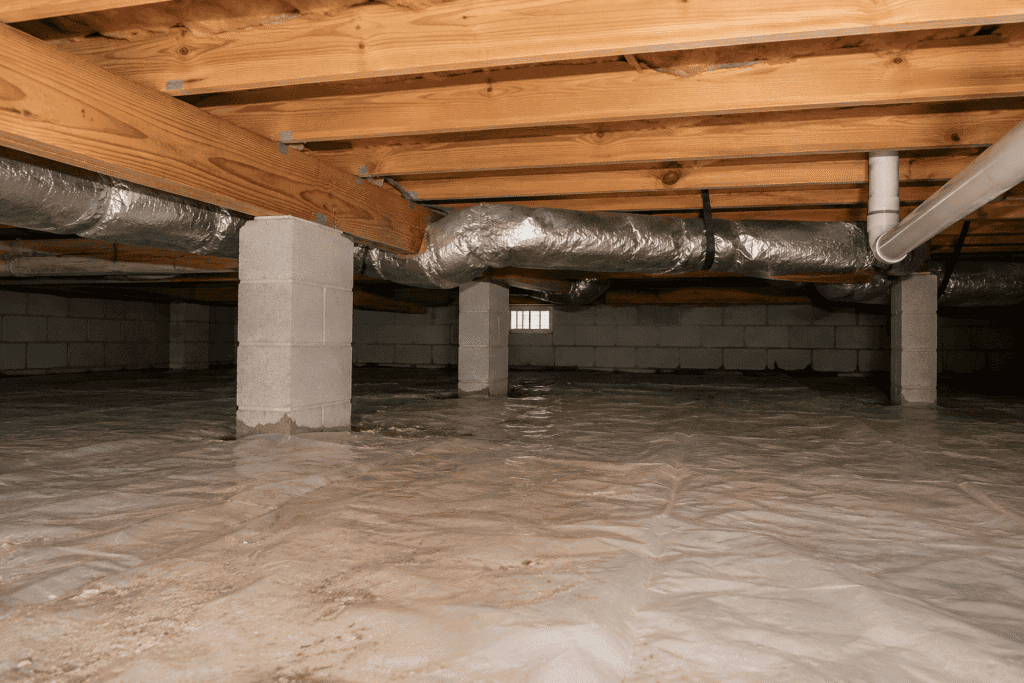
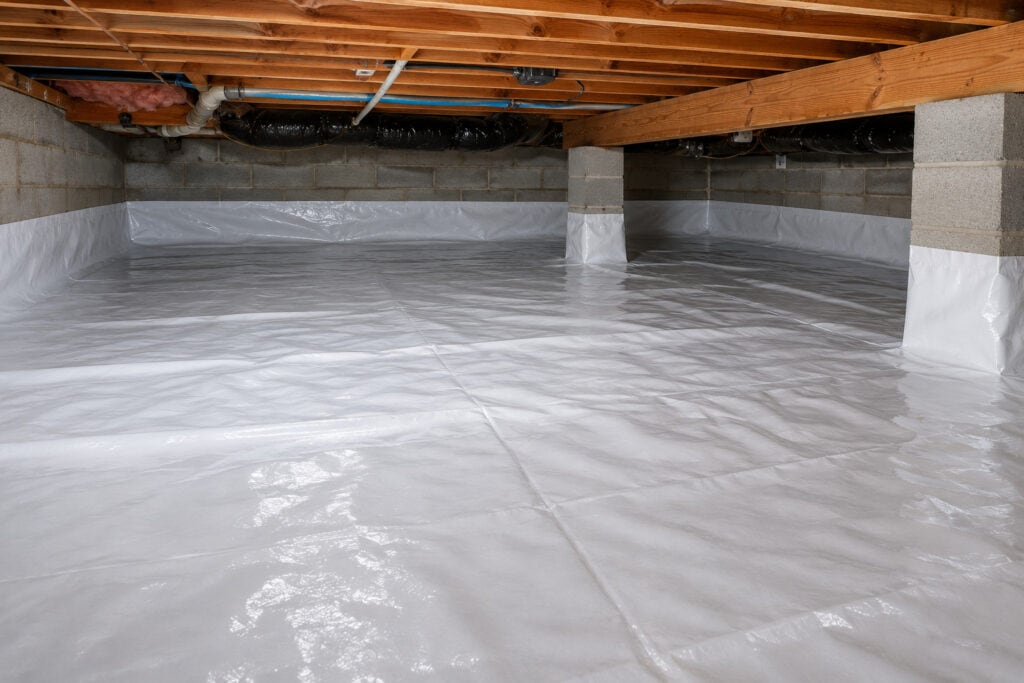
Residential crawl space with floor joists, ductwork, concrete piers, and a plastic vapor barrier

When Do You Need a Crawl Space Dehumidifier? Signs It’s Time to Upgrade

Crawl spaces are easy to ignore because most homeowners do not see them every day. But if your crawl space has high humidity, standing water, wood rot, musty smells, or mold growth, the moisture problem may not stay hidden for long. A damp crawl space can affect the air above it, the floor joists below

When Do You Need a Crawl Space Dehumidifier? Signs It’s Time to Upgrade Read More »

Primer being painted on basement wall

Best Primer for Basement Walls and Concrete for 2026

Basement walls face challenges that most interior walls never encounter. Concrete and masonry surfaces are naturally porous, allowing moisture vapor to move through them over time. In many homes, seasonal humidity, minor water intrusion, condensation, and even hydrostatic pressure can create conditions that lead to peeling paint, staining, mold growth, and premature coating failure. That’s

Best Primer for Basement Walls and Concrete for 2026 Read More »

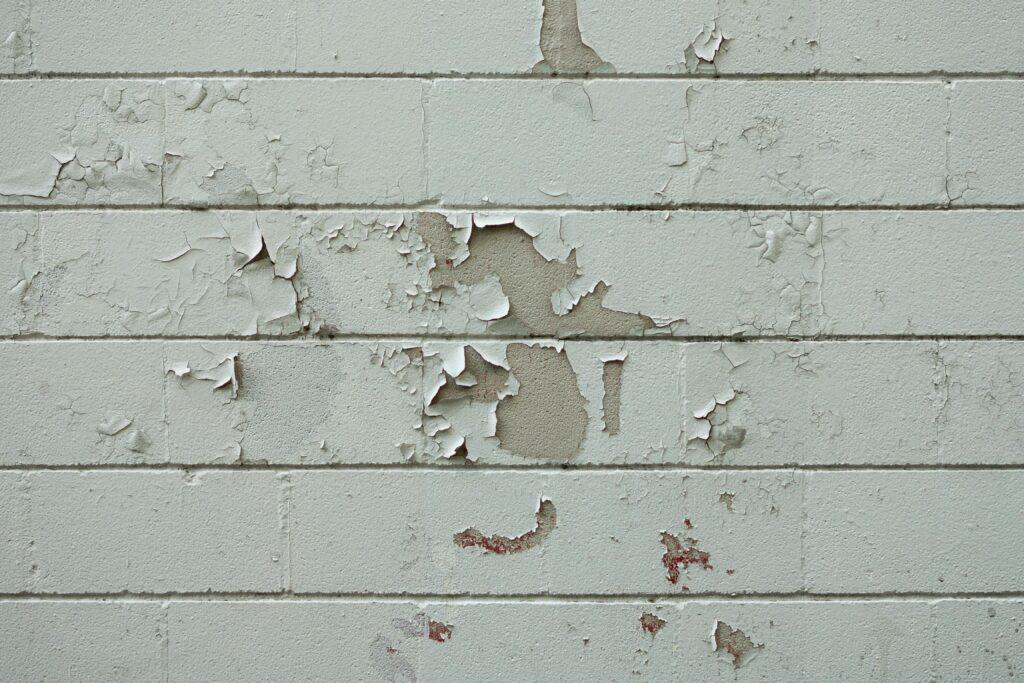
Peeling paint on a concrete basement wall caused by moisture and vapor pressure

Why Basement Paint Peels (And How to Stop It for Good)

Peeling, bubbling, or flaking paint on basement walls is one of the most common (and frustrating) basement problems homeowners run into. And despite what it looks like, it’s rarely caused by “bad paint.” In most cases, basement paint peels because of moisture, vapor pressure, or surface prep issues that weren’t fully addressed before painting. Concrete

Why Basement Paint Peels (And How to Stop It for Good) Read More »

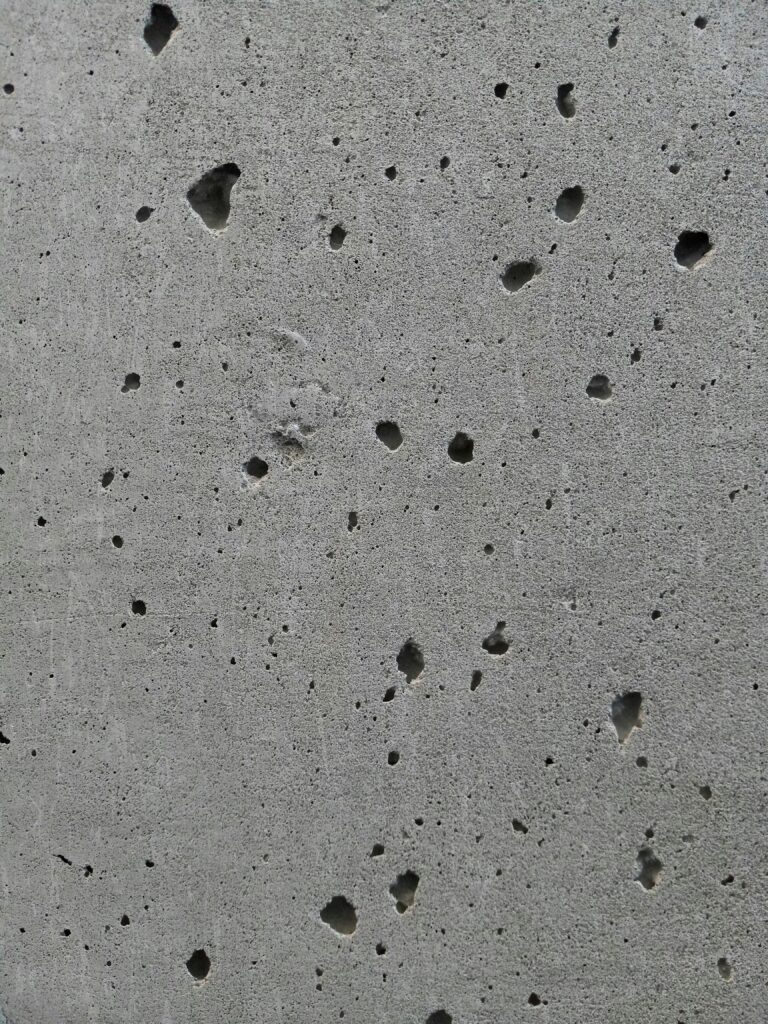
Concrete basement wall drying before painting to prevent moisture-related paint failure

How Long Should Basement Walls Dry Before Painting?

Painting basement walls can dramatically improve how the space looks and feels—but only if the walls are truly dry first. Rushing the process is one of the most common reasons basement paint jobs fail. If you haven’t chosen a product yet, this timing matters even more — some coatings are far less forgiving of residual

How Long Should Basement Walls Dry Before Painting? Read More »

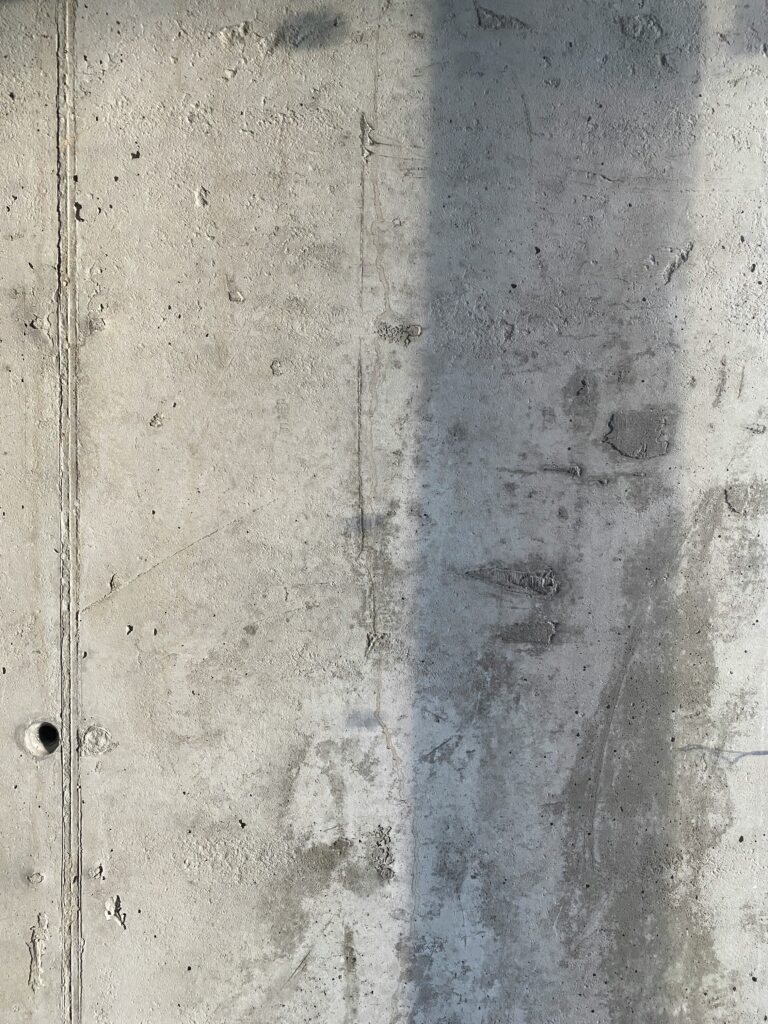
Damp concrete basement wall showing moisture staining and discoloration, indicating walls are not ready for painting

Can You Paint Basement Walls If They’re Damp? (What Homeowners Need to Know)

Painting basement walls is one of the most common DIY upgrades homeowners attempt. A fresh coat of paint can brighten a dark space, reduce concrete dust, and make a basement feel cleaner and more usable. But before you pick up a roller, there’s one critical question you must answer: Can you paint basement walls if

Can You Paint Basement Walls If They’re Damp? (What Homeowners Need to Know) Read More »

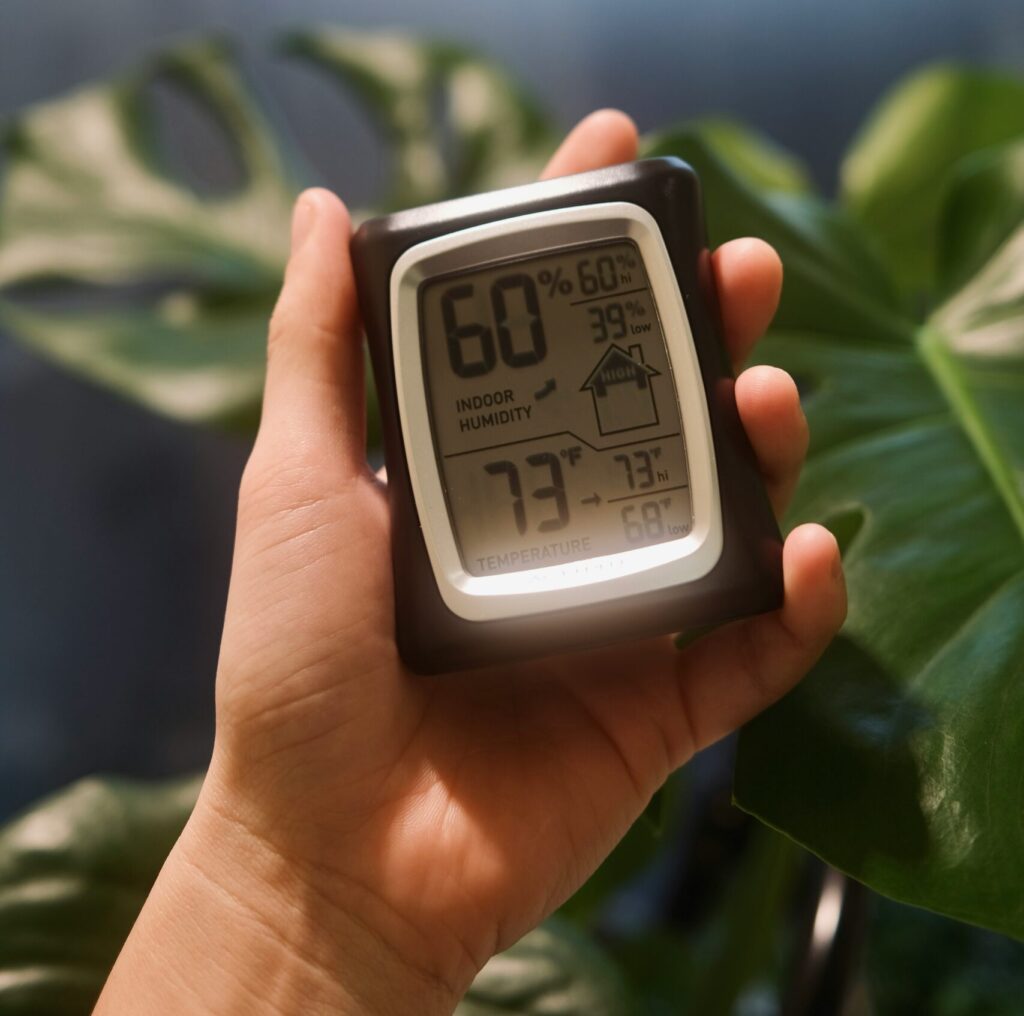
Handheld digital hygrometer showing 60 percent indoor humidity, which is too high for most basements and can promote mold and dust mites

How to Lower Basement Humidity (Causes, Fixes, and Ideal Levels)

High basement humidity is one of the most common — and misunderstood — moisture problems homeowners face. A damp basement doesn’t just feel uncomfortable; it creates the perfect conditions for mold growth, musty odors, and long-term damage to concrete, framing, and stored belongings. If you’re planning on painting your basement, controlling moisture first is critical

How to Lower Basement Humidity (Causes, Fixes, and Ideal Levels) Read More »

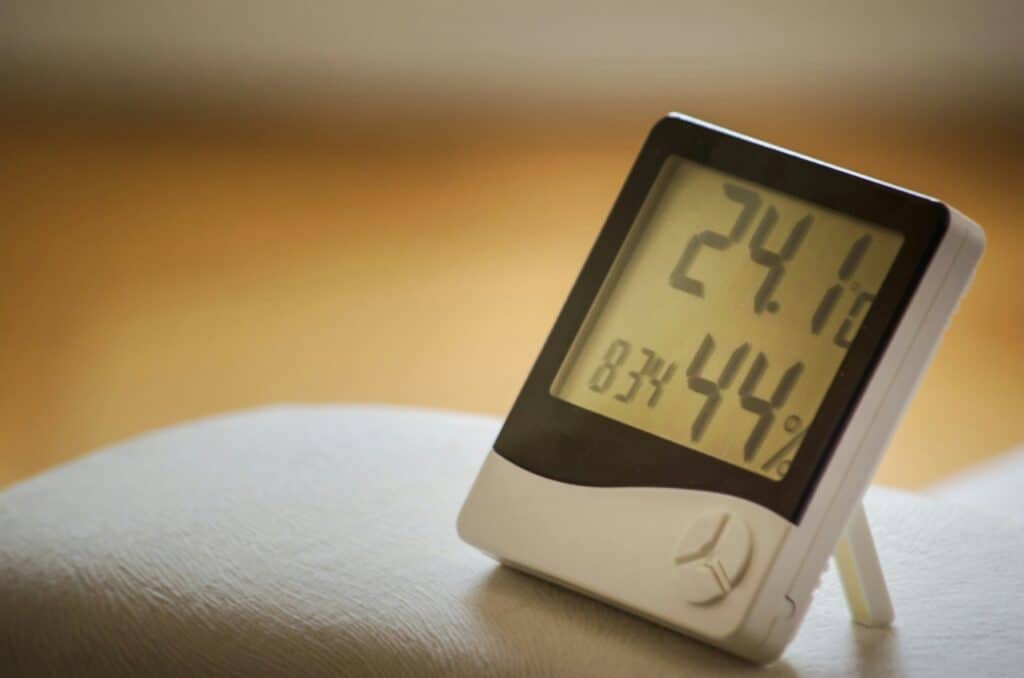
Digital hygrometer showing 44 percent humidity, the ideal basement humidity level for preventing mold and dust mites

Ideal Basement Humidity Level (Mold, Dust Mites, Allergies)

Basements naturally hold more moisture than the rest of your home. They sit below grade, have limited airflow, and are often the first place water intrusion shows up. When humidity levels creep too high—or drop too low—it doesn’t just affect comfort. It can trigger mold growth, encourage dust mites, worsen allergy symptoms, and even damage

Ideal Basement Humidity Level (Mold, Dust Mites, Allergies) Read More »