
Painting basement walls can dramatically improve how the space looks and feels—but only if the walls are truly dry first. Rushing the process is one of the most common reasons basement paint jobs fail.
If you haven’t chosen a product yet, this timing matters even more — some coatings are far less forgiving of residual moisture. See our full guide to the best paint for concrete basement walls before you plan your timeline.
Short Answer: How Long Should Basement Walls Dry Before Painting?
In general:
- Dry walls with no recent moisture: 24–72 hours
- After minor seepage or high humidity: 3–7 days
- After leaks or recurring dampness: 1–2 weeks
- After flooding or standing water: Several weeks (or longer)
These are minimums—not guarantees. Painting too soon can trap moisture and cause peeling, bubbling, or mold growth.
Why Basement Walls Need More Drying Time Than Other Walls
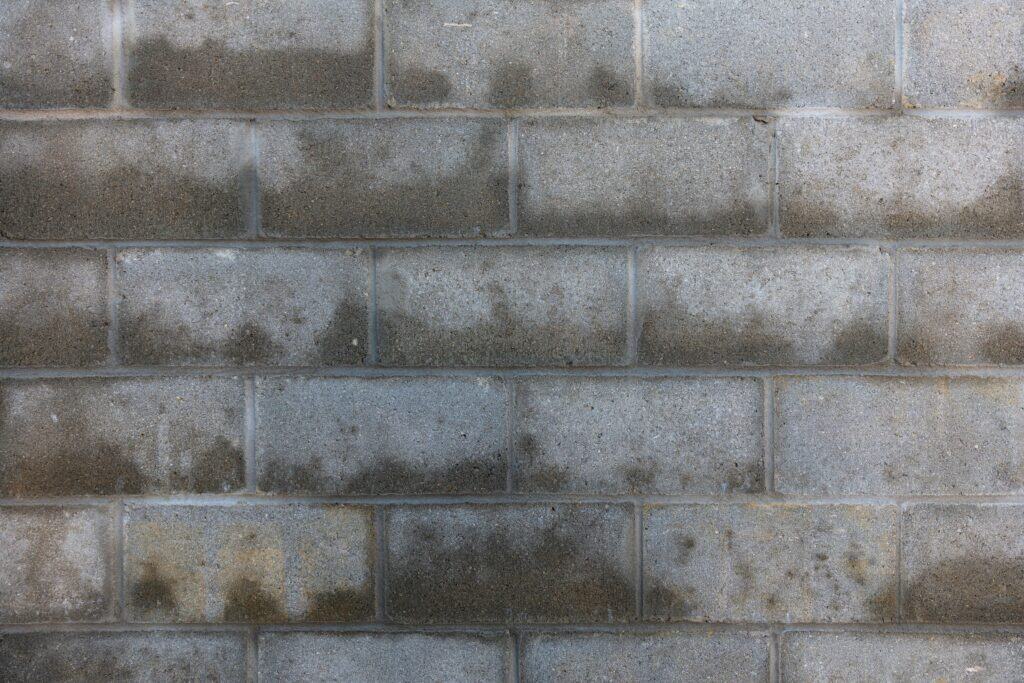
Basement walls dry much slower than above-grade walls because they are surrounded by soil and exposed to constant moisture pressure.
Several factors make basements unique:
- They sit below ground level
- Concrete and masonry are porous
- Moisture vapor moves continuously through foundation walls
- Cool temperatures slow evaporation
- High humidity is common year-round
Even if walls look dry on the surface, moisture may still be moving through the concrete from behind.
Rule of thumb: If humidity isn’t controlled and walls haven’t passed a moisture test, waiting longer will not fix the problem.
What Affects How Long Basement Walls Take to Dry
1. Type of Moisture Problem
Drying time depends heavily on what caused the moisture:
- Condensation or humidity: Usually dries within days once humidity is controlled
- Minor seepage: May require a week or more after repairs
- Active leaks or drainage issues: Walls may never fully dry until the source is fixed
- Flooding: Can take weeks or months to fully dry
If water is still entering the basement, drying time becomes irrelevant—paint will fail no matter how long you wait.
2. Wall Material
Different foundation types release moisture at different rates:
- Poured concrete: Dries more evenly but still slowly
- Concrete block: Holds moisture longer due to hollow cores
- Stone foundations: Extremely slow to dry and often require specialized prep
3. Basement Humidity Levels
Humidity plays a major role in drying time. When relative humidity stays above 50–55%, moisture vapor continues pushing through concrete.
If you’re unsure what range is safe, see our guide on the ideal basement humidity level.
4. Airflow and Temperature
Walls dry faster when:
- Air is circulating freely
- Temperatures are moderate (not cold)
- Dehumidifiers are properly sized
Cold, stagnant basements can stay damp for weeks longer than expected.
How to Tell If Basement Walls Are Dry Enough to Paint
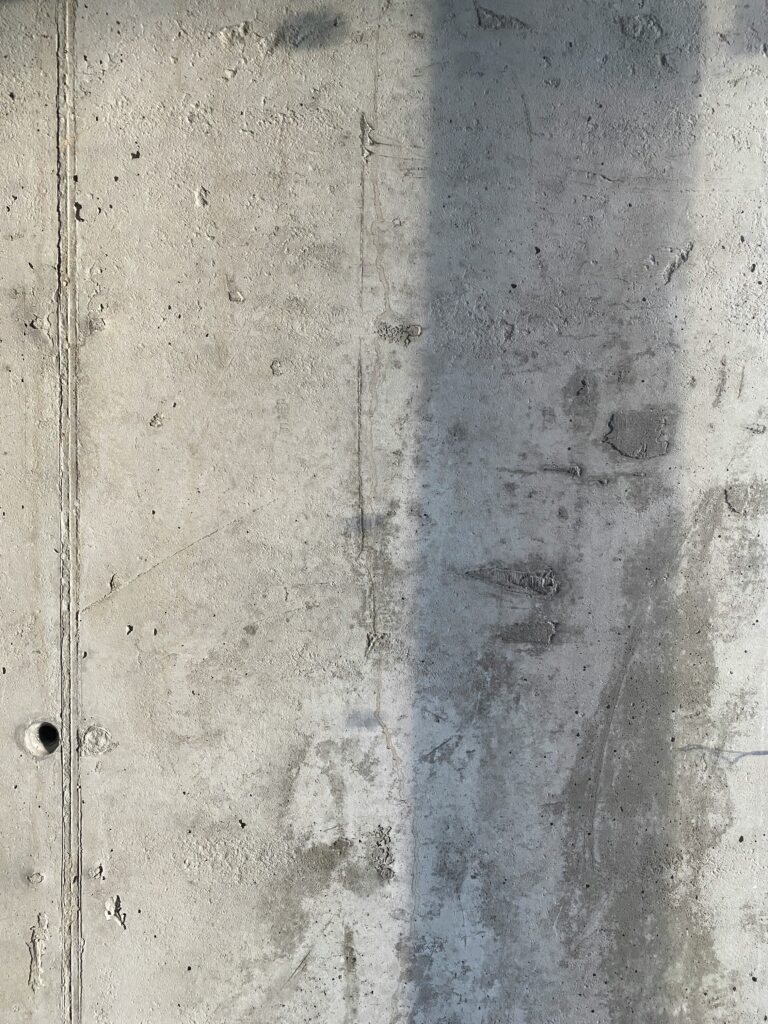
The Foil Test (Simple DIY Check)
- Tape a square of aluminum foil tightly to the wall
- Leave it in place for 24 hours
- Remove and inspect
- Moisture behind foil: Wall is still damp
- Moisture on front: Condensation issue
- No moisture: Likely dry enough to proceed
Visual and Physical Signs
Do not paint if you notice:
- Efflorescence (white powdery residue)
- Dark patches that don’t fade
- Musty odors
- Cool or clammy wall surfaces
- Previous paint bubbling or peeling
These indicate ongoing moisture—even if no water is visible.
Why Painting Too Soon Causes Paint Failure
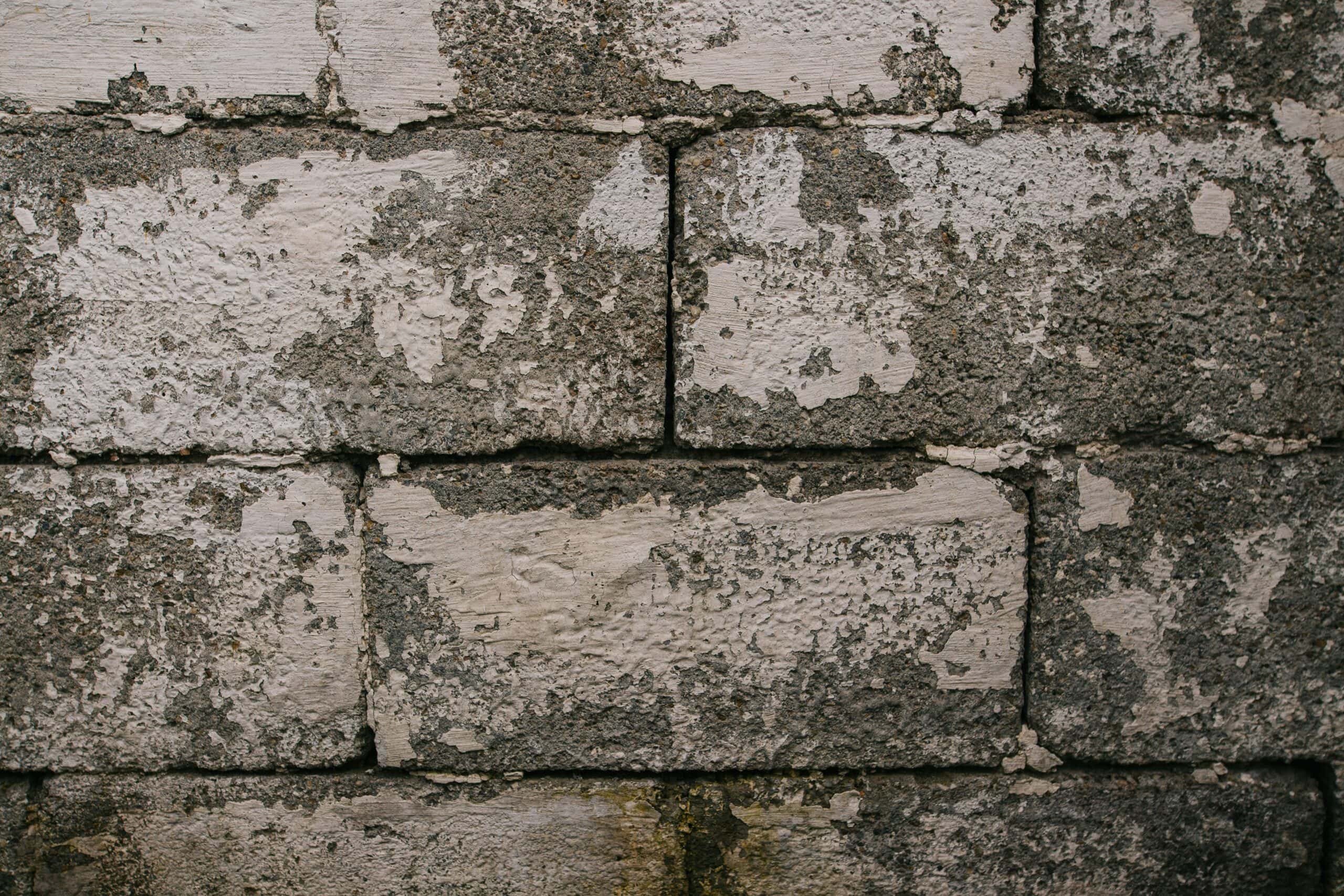
Painting basement walls before they’re fully dry almost always leads to problems.
Poor Paint Adhesion
Moisture prevents paint from bonding properly. As vapor continues moving through the wall, pressure builds behind the paint film.
This causes:
- Bubbling
- Blistering
- Peeling sheets of paint
- Chalky residue bleeding through
Trapped Moisture Behind Paint
Many masonry paints form a surface barrier. If moisture is sealed behind it, the wall can’t dry.
Trapped moisture leads to:
- Hidden mold growth
- Persistent odors
- Long-term wall deterioration
Mold Growth Behind Finished Walls
Paint does not kill mold. When moisture is sealed behind paint, mold can grow unseen—especially in finished basements.
For a deeper explanation, see Can You Paint Basement Walls If They’re Damp?.
Drying Basement Walls Faster (Safely)
You can speed up drying—but only by addressing the real causes.
Step 1: Fix the Moisture Source
Drying won’t last if water is still entering the basement.
Address issues such as:
- Poor exterior grading
- Foundation cracks
- Clogged or failing drains
- Sump pump problems
If drainage is an issue, see Basement Drain Clogged – Causes & Fixes.
Step 2: Control Basement Humidity
Once leaks are resolved, stabilize humidity.
Target range: 40–50% relative humidity
This usually requires:
- A properly sized dehumidifier
- Consistent airflow
- Sealing air leaks
Our guide on how to lower basement humidity walks through this step by step.
Step 3: Allow Enough Time
After moisture and humidity are controlled, give walls several days to dry fully. In some cases, a full week is necessary.
Do not rush this step.
When Is It Finally Safe to Paint Basement Walls?
You’re ready to paint when:
- Walls pass the foil test
- Humidity stays below 50% consistently
- No efflorescence is present
- No seepage appears after rain
- Walls feel dry and neutral to the touch
At that point, proper surface prep and the right product matter.
See our full guide to the best paint for concrete basement walls before choosing a product.
Common Homeowner Mistakes
- Assuming “dry to the touch” means dry inside
- Trusting waterproof paint to solve moisture problems
- Ignoring basement humidity
- Painting too soon after leaks or seepage
- Skipping moisture testing
Most basement paint failures are preventable with patience and proper prep.
Final Verdict: How Long Should Basement Walls Dry Before Painting?
There is no universal timeline—but there is a universal rule:
Basement walls must be fully dry and moisture-stable before painting.
For many homes, that means waiting several days. For others, it means fixing drainage and humidity issues first—and waiting weeks.
Paint should always be the final step in a basement moisture plan, not the solution.

Pingback: Can You Paint Basement Walls If They’re Damp?
Pingback: Best Paint for Basement Walls (2026 Guide + Top Picks)
Pingback: Best Primer for Basement Walls and Concrete