
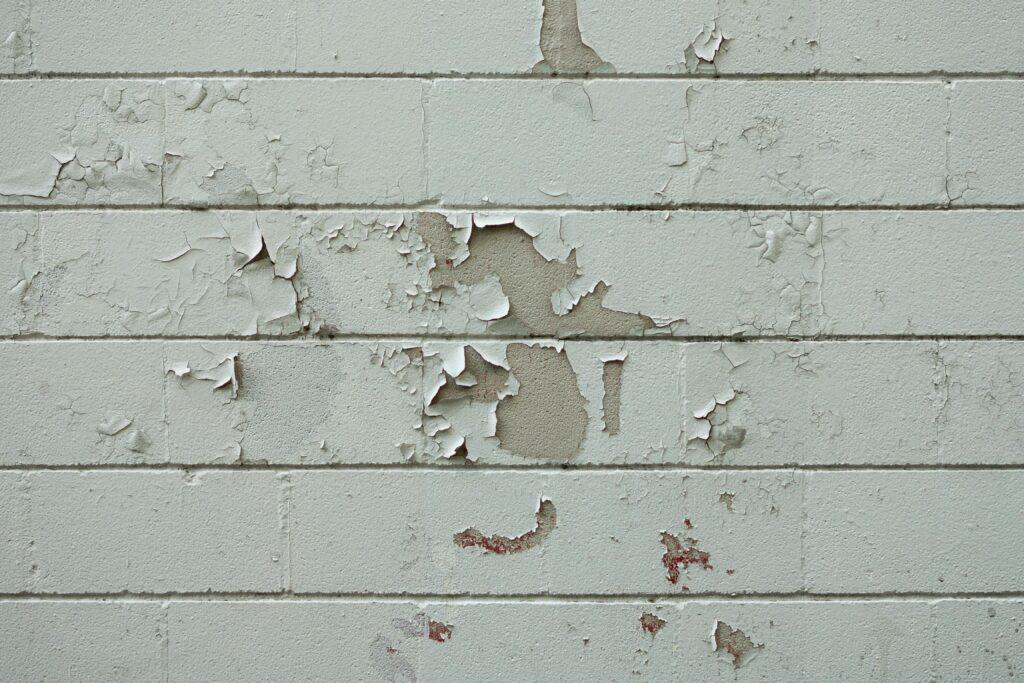
Peeling, bubbling, or flaking paint on basement walls is one of the most common (and frustrating) basement problems homeowners run into. And despite what it looks like, it’s rarely caused by “bad paint.”
In most cases, basement paint peels because of moisture, vapor pressure, or surface prep issues that weren’t fully addressed before painting. Concrete walls behave very differently than drywall, and if you treat them the same way, the paint will eventually fail.
This guide breaks down why basement wall paint peels, how to diagnose the real cause, and what you need to fix so the problem doesn’t come back. If you’re repainting or trying to prevent peeling in the first place, this will save you a lot of time (and repainting).
If you’re repainting or still deciding on a coating, our guide to best paint for concrete basement walls explains how to choose the right paint based on wall type and moisture conditions.
The Real Reason Basement Paint Peels
Concrete basement walls are porous. Even when they look dry, they absorb and release moisture from the surrounding soil and indoor air. That moisture doesn’t always come through as visible water — often it moves as water vapor.
When vapor pressure builds behind a paint film, it pushes outward. If the coating can’t breathe, or if it wasn’t bonded well to the surface, the paint loses adhesion. The result is peeling, bubbling, blistering, or chalky residue.
According to building science research from university extension programs, moisture vapor can move through concrete even when walls appear dry, which is why paint failure often starts from behind the surface rather than from the paint itself.
Paint failure is usually a symptom, not the root problem.
The Most Common Reasons Basement Paint Peels
Moisture Vapor Pushing Through the Wall
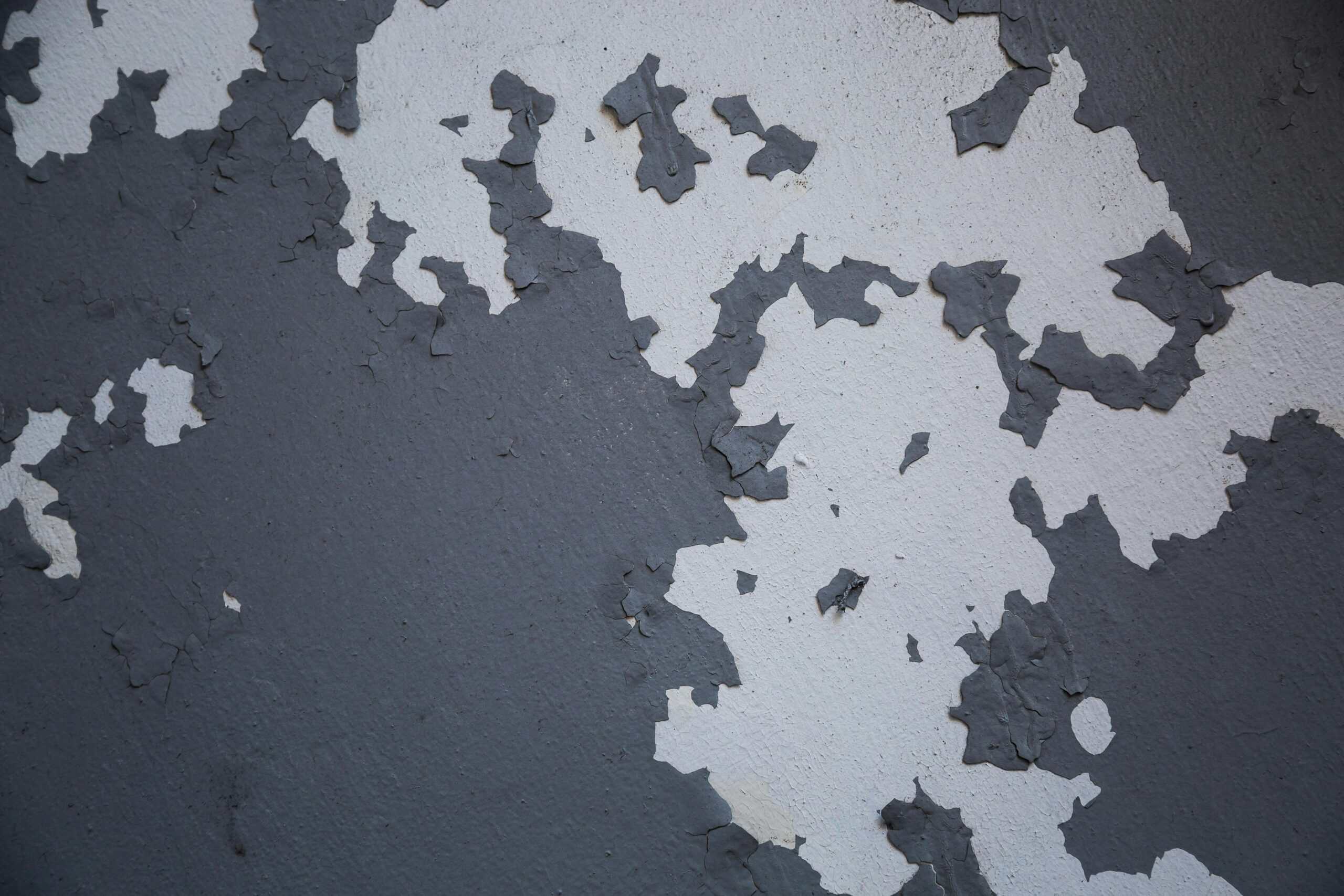
This is the #1 cause.
Moisture in the soil outside the foundation constantly presses toward the basement. Concrete allows vapor to pass through, especially below grade. When paint blocks that vapor instead of managing it, pressure builds until the paint releases.
Signs this is happening:
- Bubbling paint
- Blisters that pop and flake
- Peeling that starts in random patches
Painting Before Fixing Basement Humidity
Even if there’s no active leak, high indoor humidity can cause paint to fail.
When basement humidity stays above ~55%, moisture vapor constantly pushes through the wall from the inside. Over time, that weakens adhesion and encourages efflorescence and mold.
This is especially common in summer basements that “feel dry” but are running humid.
If you’re not sure where your basement stands, fixing humidity first is critical before repainting.
Efflorescence Breaking the Bond
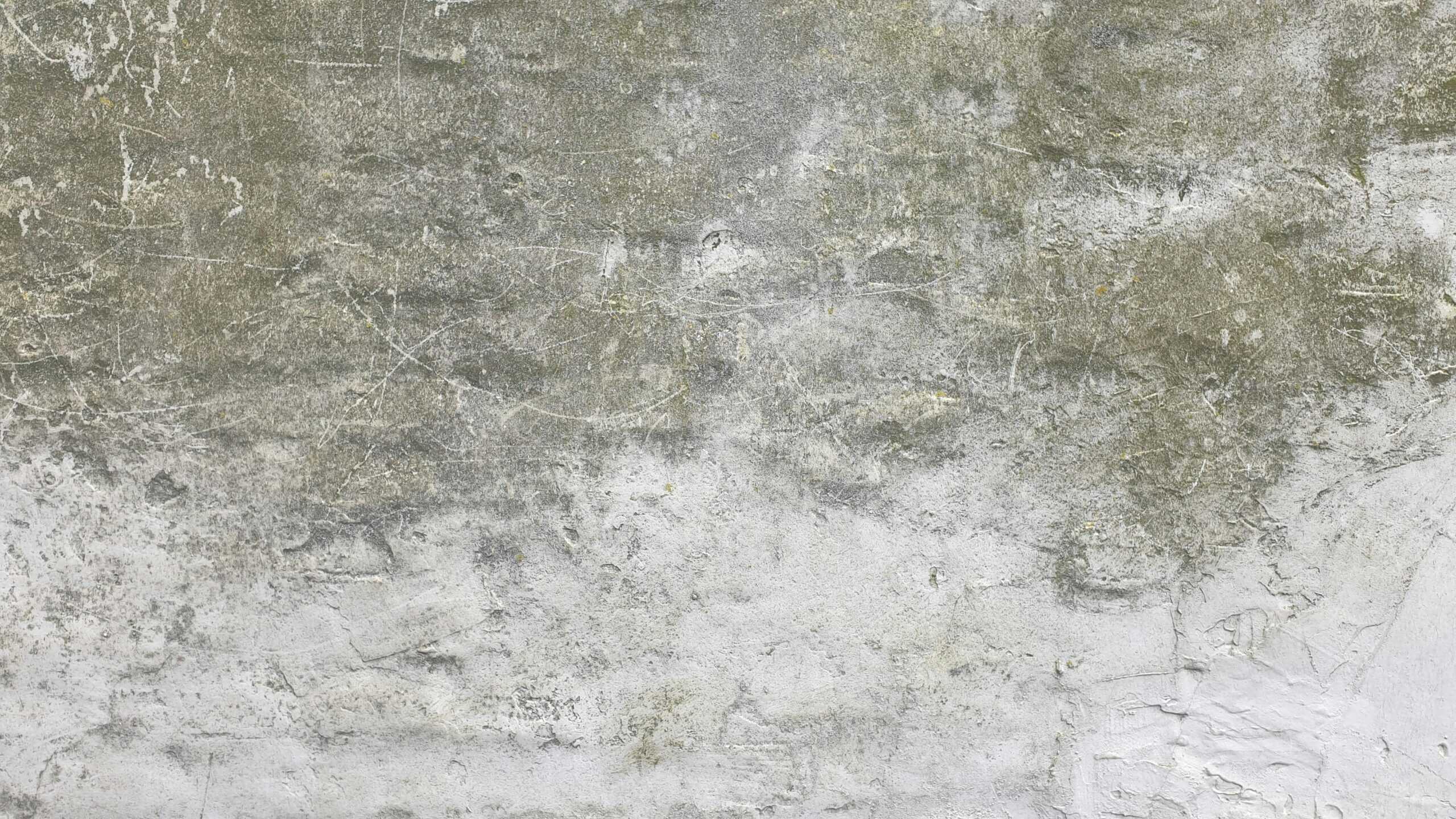
Efflorescence is the white, powdery residue that appears on concrete. It forms when moisture moves through the wall and leaves mineral salts behind.
Paint does not stick well to efflorescence. Even if you scrape and paint over it, it will usually return unless the moisture source is controlled.
Efflorescence is a warning sign that moisture is still moving through the wall.
Painting Over Damp or Recently Wet Concrete
Concrete needs time to dry — and longer than most people expect.
Painting too soon after:
- A leak
- Heavy rain
- Power washing
- Flooding
- High humidity periods
almost guarantees peeling later.
A simple way to test this is the foil test: tape a piece of foil tightly to the wall for 24 hours. If moisture forms behind it, the wall is still too damp to paint.
Poor Surface Preparation
Concrete walls often look clean when they aren’t.
Dust, chalky residue, loose paint, and invisible salts all interfere with adhesion. Paint may stick at first, but as conditions change, it releases.
Common prep mistakes:
- Not scrubbing efflorescence
- Painting over flaking concrete
- Skipping block filler on cinder block
- Painting smooth poured walls without etching or aggressive cleaning
This is why paint sometimes peels months — not days — after application.
Using the Wrong Type of Paint
Standard interior latex paint is not designed for below-grade concrete.
Latex paint:
- Is not waterproof
- Doesn’t handle vapor pressure well
- Peels easily on damp or alkaline surfaces
Masonry and basement-specific paints are formulated to bond to concrete and manage moisture better. Even then, they won’t fix active water problems — but they’re far more forgiving when conditions are right.
How to Stop Basement Paint From Peeling (For Good)
Instead of jumping straight to repainting, work through this logic:
- Control moisture and humidity first
Fix drainage issues, leaks, and high indoor humidity before touching paint. - Remove failed paint completely
Scrape, brush, and clean until you reach a solid surface. - Address efflorescence and surface damage
Scrub salts away and repair any crumbling or powdery concrete. - Choose the right paint for your conditions
Basement-specific masonry coatings are usually the safest choice for below-grade walls. - Apply under the right conditions
Dry walls, proper temperature, and correct curing time matter more than brand names.
For a full breakdown of paint types and where each works best, see our guide on best paint for concrete basement walls.
When Repainting Is a Bad Idea
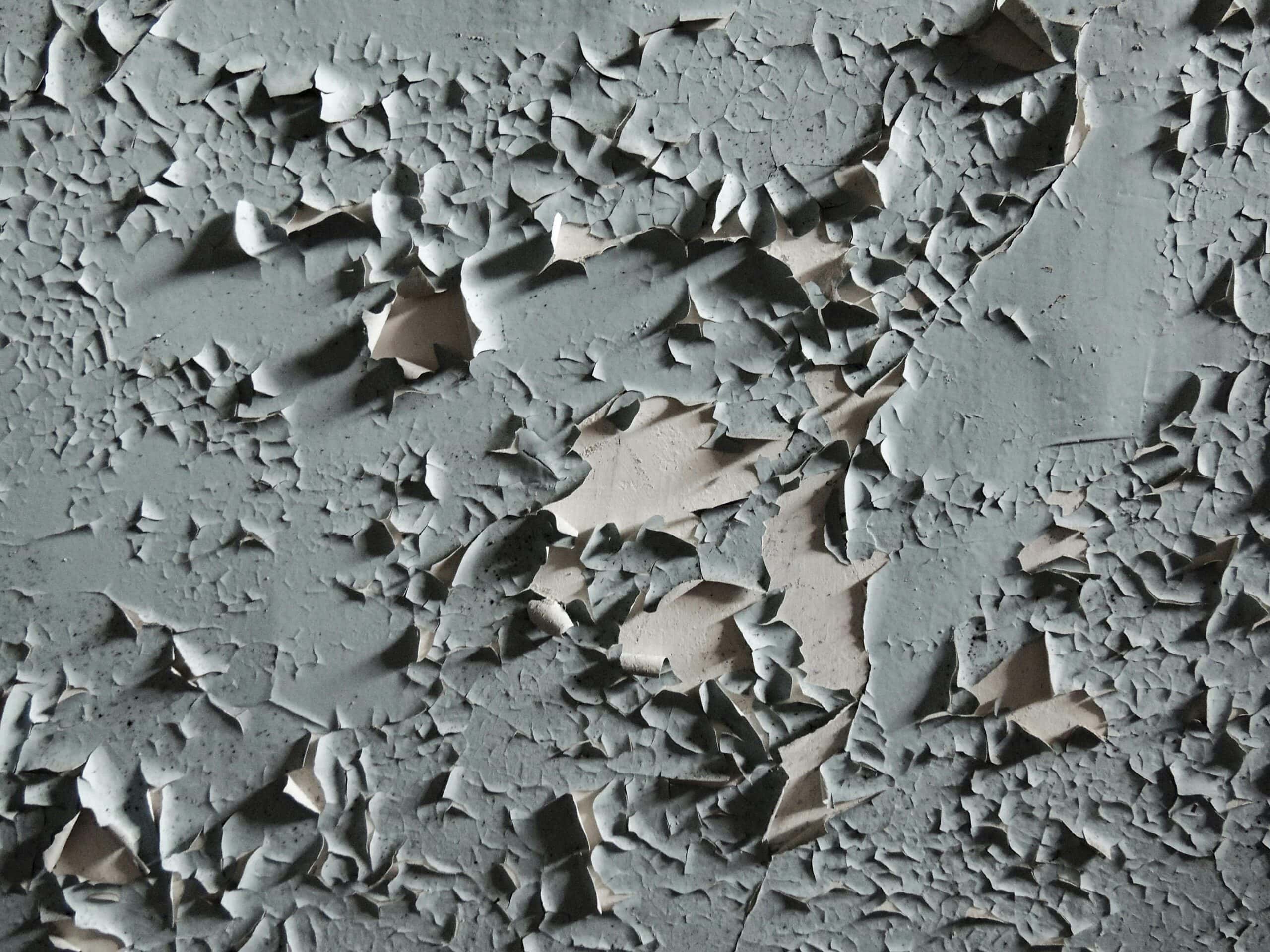
Paint is not always the answer.
Repainting should be delayed if you have:
- Active leaks after rain
- Persistent efflorescence
- Hydrostatic pressure issues
- Structural cracking or wall movement
In these cases, paint will likely fail again — and faster the second time.
Basement Paint Peeling: Quick Diagnosis
| What you see | Likely cause | What to fix |
|---|---|---|
| Bubbling or blistering | Moisture vapor | Control humidity + use breathable coating |
| White powder under paint | Efflorescence | Moisture source + surface prep |
| Large peeling sheets | Poor adhesion | Clean, prep, correct paint |
| Peeling after storms | Water intrusion | Drainage or waterproofing |
Final Peeling Paint Thoughts
Basement paint peeling isn’t random — and it isn’t bad luck. It’s almost always the result of moisture, vapor pressure, or surface prep issues that weren’t fully addressed.
The good news is that once you fix the cause, basement wall paint can last for many years. Take the time to diagnose the problem correctly, choose the right materials, and paint under the right conditions. You’ll avoid repeating the same cycle and end up with a basement that looks better and stays that way.
If you’re planning to repaint, make sure you understand how different coatings behave on concrete and which option fits your basement’s moisture conditions best.

Pingback: Best Paint for Basement Walls (2026 Guide + Top Picks)
Pingback: Best Primer for Basement Walls and Concrete