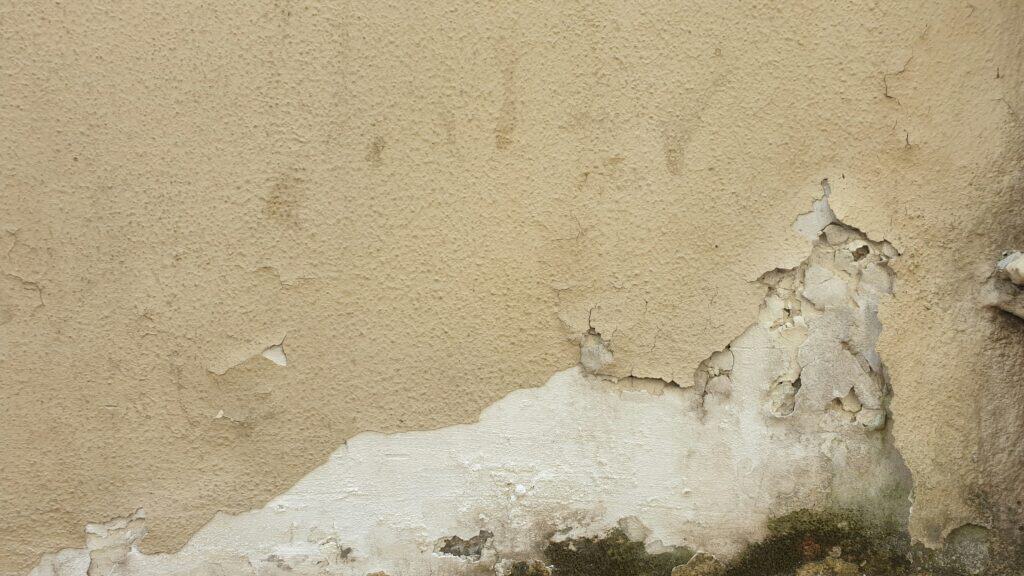
A wood moisture meter is a small handheld tool that helps you check how much moisture may be inside wood, drywall, flooring, masonry, or other building materials. For homeowners dealing with a damp basement, crawl space humidity, water damage, or peeling paint, it can be an essential tool for figuring out whether a surface is actually dry or just looks dry.
Moisture problems are not always obvious. A basement wall can look normal while still holding moisture. A floor joist can feel solid but still be damp enough to raise concerns. Drywall can look clean on the outside while the upper portion or lower edge holds water after a leak.
That is where a wood moisture meter can help.
It gives you a moisture reading so you are not relying only on smell, touch, or guesswork. While a moisture meter is not a replacement for a professional inspection, it can help you spot warning signs early and decide whether you need more drying time, a dehumidifier, better drainage, or a closer look at the affected area.
What Is a Wood Moisture Meter?
A wood moisture meter is a moisture detector used to estimate the moisture content of wood and other building materials. Depending on the model, it may use pin-like probes, a pinless sensor plate, or both.
A basic pin moisture meter uses small probes that press into the material. A pinless moisture meter senses moisture below the surface without leaving small holes. Some digital moisture meter models include both pin mode and pinless mode, which gives homeowners a wider range of applications.
You can use a wood moisture meter on materials such as:
- Floor joists
- Subflooring
- Wall board
- Dry wall
- Wood flooring
- Lumber
- Wood products
- Basement trim
- Concrete floors
- Concrete slabs
- Masonry
- Building materials around leaks
For basement and crawl space repair, the biggest benefit is simple: a moisture meter helps you understand whether an area is still damp before you cover it, paint it, repair it, or ignore it.
If your bigger issue is humidity in the air, start with your ideal basement humidity level first. If the issue is damp wood, drywall, or flooring, a wood moisture meter is the better tool.
What Does a Wood Moisture Meter Do?
A wood moisture meter measures or estimates moisture levels inside a material. In simple terms, it helps answer questions like:
- Is this wood still damp?
- Is this drywall dry enough to paint?
- Could this floor joist be holding moisture?
- Is water getting into this area after rain?
- Is my basement drying out after a leak?
- Is my crawl space dehumidifier actually helping?
- Is this lumber ready to use?
The exact unit of measure depends on the meter and the measurement mode. Some meters show a percentage moisture content for wood. Others use a relative scale for non-wood materials such as drywall, masonry, or concrete. Many digital displays also include wet indicator icons, progress bars, or alerts to make readings easier to understand.
The key is not to treat one reading as the entire answer. Instead, use the meter to compare areas. A dry section can become your baseline. Then you can test suspicious areas and see whether they show a higher reading.
For example, if one part of a basement wall reads much higher than the surrounding area, that spot may deserve more attention.
Pin Moisture Meter vs. Pinless Moisture Meter
There are two main types of moisture meters: pin meters and pinless meters.
Pin Moisture Meter
A pin moisture meter uses two small metal probes. You press the probes into the material, and the meter estimates moisture based on electrical resistance.
Pin meters can be helpful for checking wood because the probes make direct contact with the material. They are often used on lumber, wood flooring, floor joists, trim, and other wood products.
The downside is that the probes can leave tiny holes. That may not matter in a crawl space or unfinished basement, but it can matter on finished wood, furniture, or visible trim.
Pinless Moisture Meter
A pinless moisture meter uses a flat sensor pad to scan below the surface without puncturing the material. This makes it useful for finished surfaces where you do not want to leave marks.
Pinless meters are often used for drywall, flooring, masonry, and larger surface checks. They are good for scanning an area quickly and finding spots that may need more testing.
The tradeoff is that pinless readings can be affected by material density, hidden metal, surface texture, and the depth of the reading. That does not make them useless. It just means you should use them as a guide, not a final diagnosis.
Recommended Product: Effix Wood Moisture Meter
For homeowners who want one tool for several common basement and crawl space moisture checks, the Effix Wood Moisture Meter is a practical option to consider.
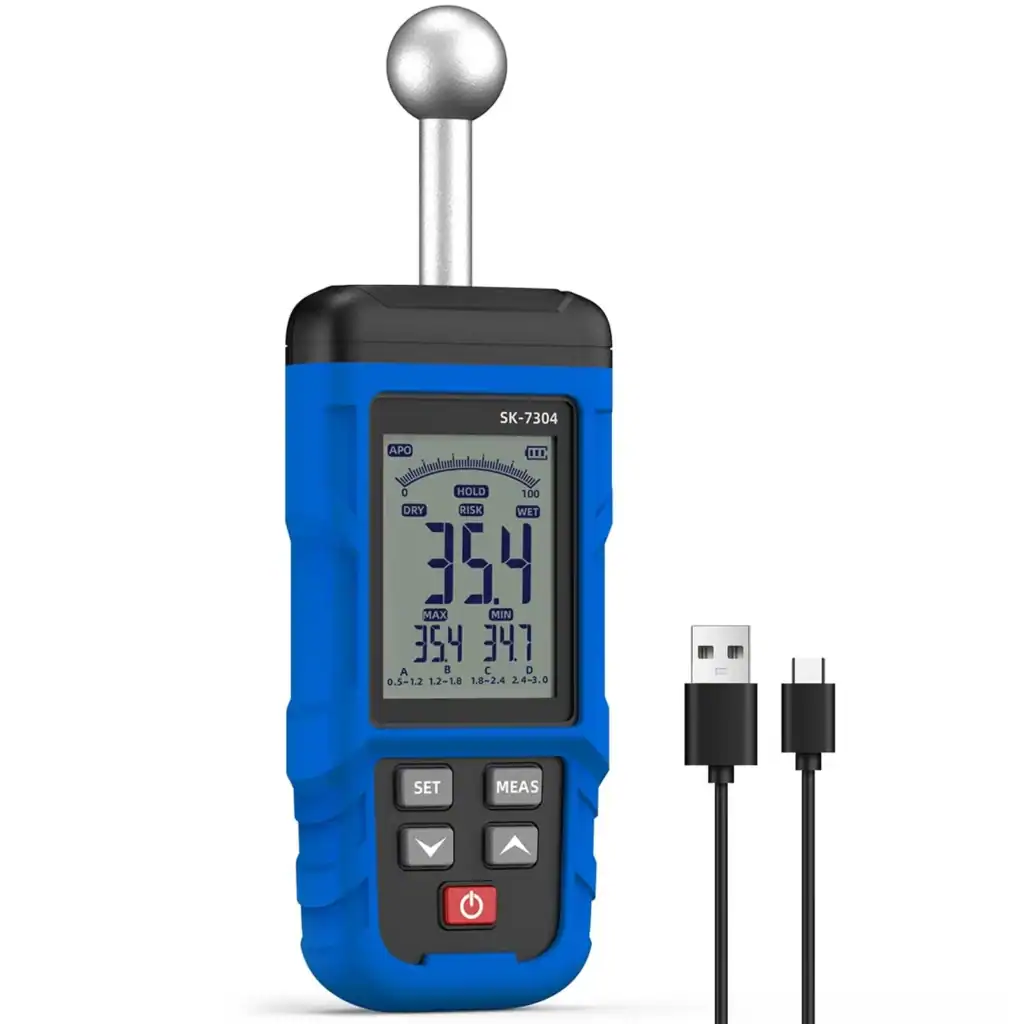
This model is designed for checking moisture in materials like wood, drywall, walls, lumber, and masonry. It has pinless modes for non-destructive testing, a backlit LCD screen, a progress bar display, a buzzer alarm, built-in calibration, auto power-off, and a compact design.
Best for:
- Checking drywall after a leak
- Testing lumber or exposed wood
- Looking for damp areas around basement walls
- Checking crawl space joists
- Monitoring drying progress
- Testing before painting or installing materials
- Homeowners who want a rechargeable moisture reader
Why it fits this article:
If you are not ready to buy a larger tool or schedule a professional inspection, a handheld wood moisture meter can be a good first step. It gives you a simple way to check whether moisture problems are isolated or showing up across several materials.
CTA: Check today’s price on Amazon
When Should You Use a Wood Moisture Meter?
A wood moisture meter is most useful when you suspect moisture but cannot clearly see how serious the problem is.
After a Basement Leak
If your basement had water intrusion, a clogged drain, or a sump pump issue, surfaces may stay damp after the visible water is gone. A moisture meter can help you check drywall, trim, wood framing, and flooring before you assume everything is dry.
If water is entering through drains or low points, read this guide on a basement drain clogged before focusing only on drying.
Before Painting Basement Walls
Paint can fail when moisture is still moving through the wall or surface. If you are planning to paint, a moisture meter can help you check whether the wall is dry enough to move forward.
This matters because paint bubbling, flaking, or peeling is often connected to trapped moisture. If this is your situation, read can you paint basement walls if they’re damp and how long basement walls should dry before painting before applying a coating.
Before Installing Flooring
A moisture meter can also help before installing basement flooring. Wood flooring, laminate, vinyl, and other materials can be affected by moisture coming from below or from nearby walls.
If you are planning a floor project, compare your options in this guide to DIY basement flooring options. For coatings, also check this guide on DIY basement floor epoxy coating.
In a Crawl Space
Crawl spaces are one of the best places to use a wood moisture meter because there are usually exposed floor joists, beams, subflooring, and other wood materials.
If the crawl space smells musty, has high humidity, or has a damaged vapor barrier, a moisture meter can help you check whether wood is staying damp. This pairs well with a digital hygrometer, which checks relative humidity in the air.
If your crawl space stays humid, read when you need a crawl space dehumidifier and how to lower basement humidity.
Around Foundation Cracks
A moisture meter will not tell you whether a crack is structurally serious, but it can help you check whether moisture is appearing near a crack after rain.
If you notice cracks along with dampness, start with this guide on vertical vs horizontal foundation cracks. If water keeps showing up, you may also want to review the signs you need basement waterproofing.
How to Use a Wood Moisture Meter
Always follow your specific meter’s instructions, but the basic process is simple.
1. Pick the right measurement mode
If your meter has multiple measurement modes, choose the one closest to the material you are testing. Wood, drywall, masonry, and concrete may require different settings or scales.
For wood, some meters may include settings for soft woods, hard woods, or species correction. This helps the meter give a more accurate moisture reading.
2. Find a dry comparison area
Do not test only the suspicious spot. Test a nearby dry area first. This gives you a baseline.
For example, if you are checking drywall near a basement leak, test an unaffected wall first. Then test the lower section near the leak. If the suspected area reads much higher, you may still have a moisture problem.
3. Test several spots
Moisture is not always spread evenly. Test multiple locations:
- Near the floor
- Near corners
- Around cracks
- Around trim
- Near pipes
- Near windows
- On the upper portion of damaged drywall
- On nearby wood framing
Multiple readings are more useful than one reading.
4. Watch for patterns
A single reading can be misleading. A pattern is more useful.
If one area consistently reads higher than the surrounding material, that is a clue. If several areas around the same wall, floor, or crawl space bay show elevated moisture, the problem may be larger than one damp spot.
5. Recheck after drying
After using fans, a dehumidifier, repairs, or better ventilation, check the same spots again. This helps you monitor drying progress instead of guessing.
If the readings do not improve, you may need to look for a hidden leak, poor drainage, high humidity, or water vapor coming through the foundation.
Can a Wood Moisture Meter Detect Mold?
A wood moisture meter does not detect mold directly. It detects moisture.
That still matters because mold growth is more likely when moisture problems are present. If your meter shows elevated readings in wood, drywall, or wall board, that area may need more drying, cleaning, or inspection.
You should not assume that a high reading automatically means mold is present. But you also should not ignore high readings, especially if you notice musty smells, staining, soft materials, peeling paint, or recurring moisture.
For allergy-related concerns, you can also read this guide to choosing a dehumidifier for allergies.
Can You Use a Wood Moisture Meter on Concrete?
Some moisture meters can be used on concrete floors, concrete slabs, masonry, and other building products, but the readings may work differently than they do on wood.
Wood meters often show wood moisture content as a percentage. Concrete and masonry readings may use a relative scale instead. That means the number is useful for comparing one area to another, but it may not be the same as a lab-style concrete moisture test.
For serious flooring installations, professional concrete moisture testing may be needed. But for a homeowner trying to find damp areas, a moisture meter can still be useful as a screening tool.
This can be especially helpful if you are dealing with crumbling concrete, damp basement floors, or paint that keeps failing. You may want to read how to fix a crumbling concrete basement floor if the surface itself is breaking down.
What Readings Should You Look For?
The right moisture reading depends on the material, the meter, and the setting you are using.
For wood, moisture content is often shown as a percentage. For drywall, masonry, and concrete, many meters use a relative measurement instead of a true percentage. That is why it is important to read the manual and compare similar materials to each other.
As a homeowner, the most useful approach is:
- Compare dry and suspicious areas
- Test the same material type
- Look for major differences
- Recheck the same spots over time
- Watch for readings that stay high after drying
A moisture meter is best used as a decision-making tool. It helps you know when to keep drying, when to investigate further, and when a repair may not be ready for paint, flooring, or insulation.
Common Mistakes to Avoid
Only testing one spot
One reading does not tell the whole story. Test several areas and compare them.
Testing different materials the same way
Wood, drywall, masonry, and concrete may not read the same. Use the right measurement mode when available.
Ignoring the manual
Every meter is slightly different. The LCD display, wet indicator, power button, hold button, measurement mode, and relative scale may work differently depending on the model.
Assuming dry-looking means dry
A wall, joist, or floor can look dry while still holding moisture. This is especially true after water damage.
Assuming the meter replaces a professional
A moisture meter is a helpful tool, not a full inspection. If you have structural damage, mold concerns, active leaking, or widespread water damage, call a professional.
Is a Wood Moisture Meter Worth It?
A wood moisture meter is worth having if you deal with basement moisture, crawl space humidity, leaks, painting projects, wood flooring, drywall repairs, or water damage. It is one of the easier tools homeowners can use to check moisture levels before a small issue becomes a bigger repair.
For many homeowners, the main value is confidence. Instead of guessing whether wood, drywall, or masonry is dry, you can take readings, compare areas, and monitor changes over time.
If you want a rechargeable option for checking multiple materials around the home, the Effix Wood Moisture Meter is a practical tool to consider for basement, crawl space, drywall, lumber, and masonry moisture checks.
Wood Moisture Meter FAQ
1) What does a wood moisture meter do?
Answer: A wood moisture meter estimates how much moisture is inside wood or other building materials. Homeowners use it to check damp wood, drywall, flooring, masonry, and areas affected by leaks or humidity.
2) IIs a pinless moisture meter better than a pin moisture meter?
Answer: A pinless moisture meter is better when you want non-destructive testing and do not want to leave small holes. A pin moisture meter can be useful when you want direct contact with the wood. Some homeowners prefer a meter that offers both pin and pinless modes.
3) Can a moisture meter find a leak?
Answer: A moisture meter can help locate areas that are damp, but it does not identify the exact source of the leak. It can show you where moisture is present so you know where to investigate further.
4) Can I use a wood moisture meter on drywall?
Answer: Yes, many moisture meters can be used on drywall or wall board. The reading may be a relative measurement rather than a true wood moisture percentage, so compare readings across similar drywall areas.
5) Can a moisture meter detect mold?
Answer: No. A moisture meter does not detect mold directly. It detects moisture. Since mold is more likely where moisture problems exist, high moisture readings can help identify areas that may need drying, cleaning, or inspection.
6) Should I use a moisture meter before painting basement walls?
Answer: Yes, it can be helpful. If a basement wall, drywall area, or trim is still damp, paint may bubble, peel, or fail. A moisture meter can help you decide whether the surface needs more drying time.
7) Is a wood moisture meter useful in a crawl space?
Answer: Yes. A crawl space often has exposed joists, beams, subflooring, and other wood materials. A wood moisture meter can help you check whether those materials are holding moisture due to high humidity, leaks, or poor drainage.