
High basement humidity is one of the most common — and misunderstood — moisture problems homeowners face. A damp basement doesn’t just feel uncomfortable; it creates the perfect conditions for mold growth, musty odors, and long-term damage to concrete, framing, and stored belongings. If you’re planning on painting your basement, controlling moisture first is critical — the best paint for concrete basement walls will still fail if humidity stays too high.
The good news is that basement humidity problems are usually fixable once you understand where the moisture is coming from and how to address it properly. This guide walks you through the causes of high basement humidity, the ideal humidity range, and the most effective ways to lower moisture levels for good.
Why Basements Get Humid So Easily
Basements are naturally prone to humidity because they sit below ground level, surrounded by soil that holds moisture year-round. Concrete walls and floors are porous, which means moisture can slowly migrate inward even without visible leaks.
Common contributors include:
- Groundwater pressure against foundation walls
- Poor exterior drainage
- Limited airflow and ventilation
- Temperature differences that cause condensation
Before trying to “fix” humidity, it’s important to understand what normal levels look like. If you’re unsure what’s considered safe, start with this guide on Best Basement Humidity Level to understand target ranges and warning signs.
What Basement Humidity Level Is Too High?
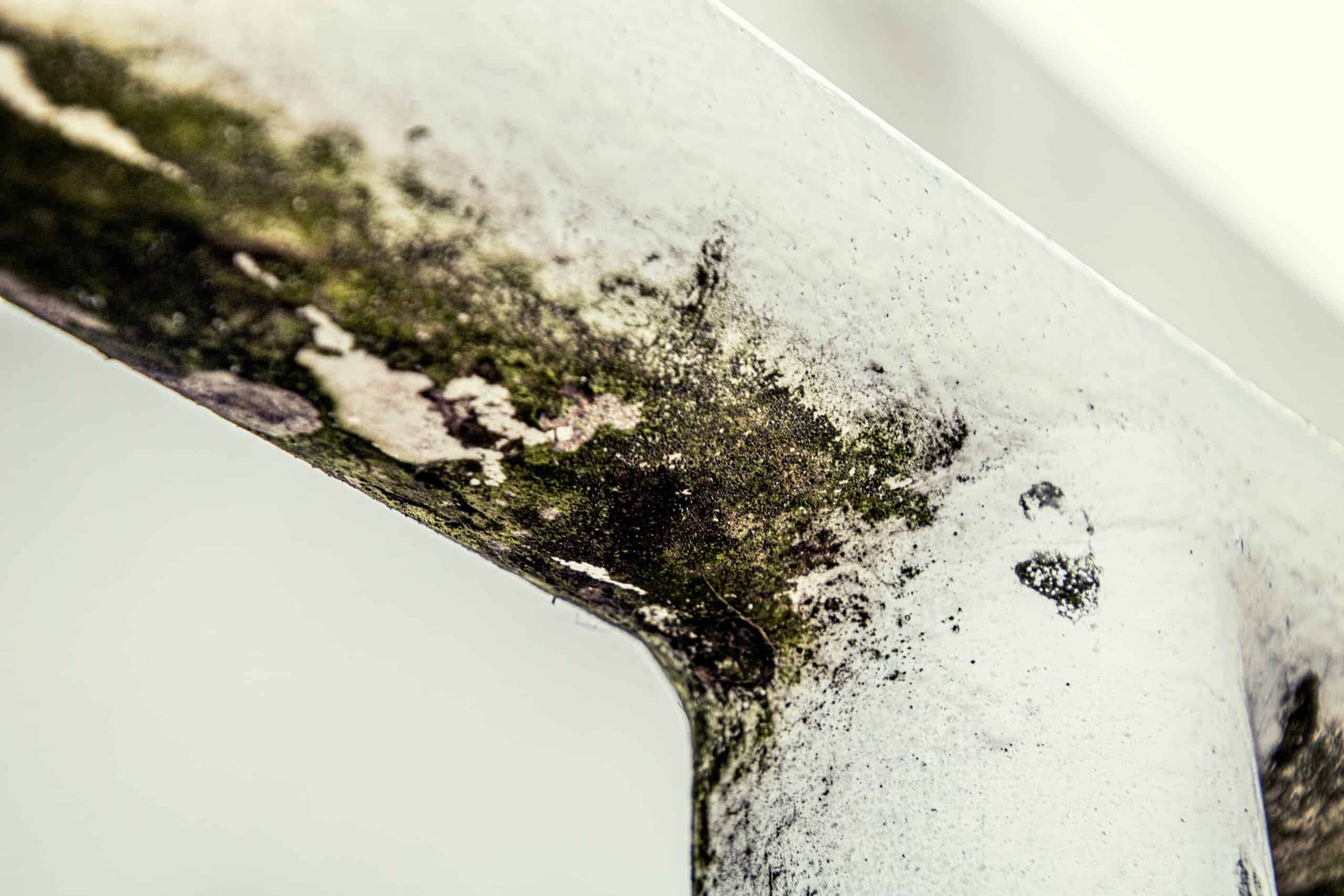
Most experts agree that the ideal basement humidity level falls between 30% and 50% relative humidity. Once humidity consistently rises above that range, moisture-related problems begin to appear.
At higher levels, homeowners often notice:
- Musty or earthy smells
- Condensation on pipes or walls
- Damp cardboard, fabrics, or wood
- Increased dust mites and mold spores
According to the Environmental Protection Agency, indoor humidity above 60% significantly increases the risk of mold growth and indoor air quality problems.
Common Causes of High Basement Humidity
1. Poor Drainage and Clogged Basement Drains
One of the most overlooked causes of high humidity is poor water movement away from the foundation. When water pools near basement walls or can’t exit through floor drains, moisture builds up and slowly evaporates into the air.
If your basement drain is slow or backing up, that trapped water can directly raise indoor humidity. Learn how drainage failures contribute to moisture problems in Basement Drain Clogged.
2. Exterior Water Issues
Improper grading, short downspouts, or missing gutters can funnel rainwater toward the foundation instead of away from it. Over time, this increases hydrostatic pressure and moisture intrusion.
3. Unsealed Concrete Walls and Floors
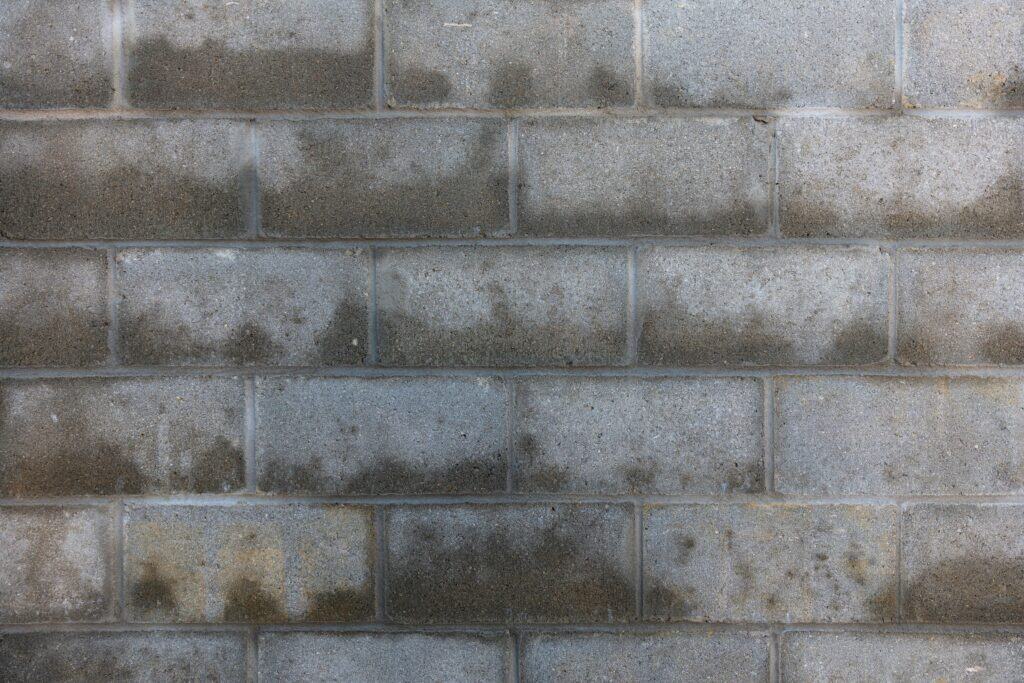
Bare concrete absorbs moisture from surrounding soil. Without proper sealing or moisture-resistant coatings, that moisture gradually releases into the basement air.
4. Poor Airflow and Ventilation
Basements often lack windows, fans, or air circulation. Stagnant air allows moisture to linger, especially in finished or partially finished spaces.
How to Lower Basement Humidity (Step-by-Step)
1. Fix Drainage Problems First
Before using any equipment, address water entry points. Clear clogged floor drains, extend downspouts, and correct exterior grading so water moves away from the foundation.
Humidity control starts outside, not with appliances.
2. Seal Basement Walls and Floors
Applying a moisture-resistant coating to concrete walls can dramatically reduce vapor intrusion. This is especially effective in older basements with bare or painted masonry.
For guidance on protective coatings, see Best Paint for Concrete Basement Walls.
3. Improve Airflow
Stagnant air traps moisture. Simple airflow improvements can make a noticeable difference:
- Use box fans to circulate air
- Keep storage off walls and floors
- Avoid blocking vents or returns
Finished basements benefit from consistent HVAC circulation, even in unused areas.
4. Use Exhaust Fans Strategically
Bathrooms, laundry rooms, and utility areas generate moisture quickly. Exhaust fans remove humid air before it spreads throughout the basement.
Energy-efficient ventilation solutions recommended by Energy Star can help control moisture without driving up energy costs.
5. Address Condensation Sources
Cold water pipes, uninsulated ducts, and foundation walls can collect condensation during warm, humid months. Insulating these surfaces helps prevent moisture from entering the air.
Should You Use a Dehumidifier?
Dehumidifiers are effective tools, but they should not be your first or only solution.
A dehumidifier works best when:
- Drainage issues are already corrected
- Moisture intrusion is controlled
- You need fine-tuning rather than damage control
If allergies or air quality are part of your concern, this guide on Best Dehumidifier for Allergies explains which features matter most and when a unit actually helps.
Think of dehumidifiers as maintenance tools, not moisture cures.
How Long Does It Take to Lower Basement Humidity?
The timeline depends on the source of the moisture:
- Condensation issues may improve within days
- Drainage corrections may take weeks to fully stabilize
- Foundation moisture problems can take months
Humidity levels often drop gradually as materials dry out. Monitoring progress with a hygrometer helps confirm whether your fixes are working.
Common Mistakes That Keep Basement Humidity High
- Relying only on a dehumidifier
- Ignoring exterior drainage problems
- Setting humidity too low (causes overwork and inefficiency)
- Blocking airflow with stored items
- Failing to seal concrete surfaces
Humidity problems rarely have a single cause — addressing only one factor usually leads to frustration.
When to Call a Professional
You may need professional help if:
- Water is entering through walls or floors
- Mold returns despite humidity control
- You notice structural cracks or foundation movement
Persistent moisture can indicate larger waterproofing or drainage failures that require expert evaluation.
Lower Basement Humidity FAQ
What is the fastest way to lower basement humidity?
Fix drainage issues first, then improve airflow and ventilation. Dehumidifiers help once moisture sources are controlled.
Can a clogged drain increase basement humidity?
Fix drainage issues first, then improve airflow and ventilation. Dehumidifiers help once moisture sources are controlled.
Is 60% humidity too high for a basement?
Yes. Sustained humidity above 55–60% creates ideal conditions for mold growth and musty odors.
Should I run a dehumidifier all year?
Only if humidity stays above recommended levels. Many basements need dehumidifiers mainly during warm, humid mo
Lastly on Lowering Basement Humidity
Lowering basement humidity isn’t about quick fixes — it’s about controlling moisture at its source. By addressing drainage, sealing concrete, improving airflow, and using dehumidifiers strategically, homeowners can maintain a healthier, drier basement long-term.
If you’re unsure where your basement stands today, revisit Best Basement Humidity Level and work through each step methodically. A dry basement protects your home’s structure, air quality, and comfort for years to come.



Pingback: Best Basement Humidity Level (2026 Guide)
Pingback: How to Fix a Clogged Basement Drain Fast (Step-by-Step)
Pingback: Best Dehumidifier for Allergies (2026) – Reduce Mold & Dust Mites
Pingback: Best Paint for Concrete Basement Walls (Waterproofing Guide)