

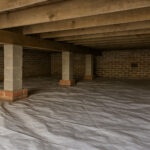
If you or your family members suffer from year-round allergy symptoms, your home’s humidity level may be playing a bigger role than you think. High humidity levels allow mold spores, dust mites, and bacteria to flourish—turning a cozy basement or living room into a breeding ground for discomfort. High humidity often starts in lower levels of the home. Before addressing allergy triggers, make sure your basement stays dry with proper yard drainage systems that move water away from the foundation.
Best Overall Dehumidifier for Allergies (Basements)
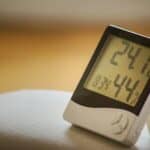
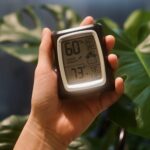
If you want one easy pick that works for most homes (especially damp basements), start here. The goal is simple: keep your indoor humidity in the 40–50% range, which is considered the ideal basement humidity level for preventing dust mites and mold from thriving. If you want to monitor humidity accurately, a digital hygrometer for home humidity tracking makes it easy to confirm your dehumidifier is doing its job.
The good news? The best dehumidifier for allergies can transform your indoor air quality by reducing excess moisture and helping maintain a healthy environment. In this detailed homeowner guide, you’ll learn how dehumidifiers work, what features truly matter, which models stand out, and how to clean a dehumidifier so it keeps delivering clean, dry air for years to come.
Understanding the Link Between Humidity and Allergies
Humidity refers to the amount of moisture in the air. Anything above 55% relative humidity creates ideal conditions for mold and dust mites, which is why understanding the ideal basement humidity level is so important for allergy sufferers.
When that happens, you might notice:
- Nasal passages feeling congested or irritated
- Unpleasant odors in damp basements or closets
- Condensation on windows and walls
- Increased dust buildup and particulate matter in the air
This combination leads to allergic reactions and long-term potential damage to your building structure. Balancing humidity between 40%–50% creates drier air, discouraging allergens while protecting your personal residence and important documents from mold stains or warping. Poor airflow and standing water can raise moisture levels. Clogged drains or grading issues are common culprits — learn how to fix basement drainage problems to stop humidity before it starts.
How a Dehumidifier Improves Indoor Air Quality
A dehumidifier pulls warm air into its system and cools it until water vapor condenses. The moisture collects in a water tank, leaving behind dry air that’s pushed back into your indoor spaces.
The process reduces:
- Mold formation and mildew growth
- Odor problems caused by bacteria
- Proliferation of dust mites
- Infrastructure deterioration from rot or rust
When combined with air purifiers featuring HEPA filters or UV light, you can achieve the perfect blend of humidity control and clean air purification. Excess humidity doesn’t just affect air quality — it can accelerate crumbling basement floor damage over time.
Types of Dehumidifiers: A Closer Look
Before buying, it’s worth understanding the three main types available. Each works best for different room sizes, humidity levels, and climate conditions.
| Type | Best For | Advantages | Example |
|---|---|---|---|
| Compressor Dehumidifier | Large rooms and high humidity levels | Efficient, powerful moisture removal | hOmeLabs 50-Pint Energy Star |
| Desiccant Dehumidifier | Cool, small spaces | Works in low room temperature, lightweight | Pro Breeze 10-Pint Desiccant |
| Thermo-Electric (Peltier) | Small spaces like bathrooms or closets | Quiet, low energy use, compact small size | Eva-Dry EDV-1100 Mini |
Top Picks: Best Dehumidifiers for Allergy Sufferers (2026)
After evaluating homeowner reviews, performance tests, and energy use, here are five units that deliver the best balance of moisture control, reliability, and value.
Quick Pick: Choose Based on Your Space
- Most basements (best all-around): Choose a reliable 50-pint class unit for steady moisture control.
- Large, very damp basements: Choose a higher-capacity 70–80 pint class unit and use continuous drainage to avoid frequent tank emptying — high-capacity dehumidifier for very damp basements
- Small rooms / closets / cool climates: A desiccant model can perform better in lower temperatures – Desiccant dehumidifier for cool spaces
- Want smart controls: A Wi-Fi “set-and-forget” model makes humidity tracking easier – Smart dehumidifier with Wi-Fi controls
1. Best Overall Dehumidifier for Basement Allergies
Recommended model: hOmeLabs 50-Pint Energy Star Dehumidifier
Capacity: Up to 4,500 sq. ft.
Highlights: Continuous drain option, auto shut-off, adjustable fan speeds
This 50-pint dehumidifier is a reliable choice for managing excess moisture in most basements and large rooms. It removes up to 50 pints of moisture per day while helping maintain consistent indoor humidity levels.
Why it works well for allergies: Maintaining humidity in the recommended range helps limit mold growth and dust mite activity, supporting better indoor air quality for allergy-sensitive households.
2. Best Dehumidifier for Everyday Allergy Control
Recommended model: Frigidaire FFAD5033W1 Dehumidifier
Highlights: Washable filter, digital controls, and front-loading water tank
The Frigidaire model earns praise for its easy maintenance and quiet operation. It removes 50 pints daily and automatically adjusts based on room humidity.
Allergy benefit: The washable dust filter helps trap everyday buildup like dust and pet hair before it circulates through the unit—useful for allergy-sensitive homes when combined with a separate HEPA air purifier.
Bonus tip: Use this unit in your living room or bedroom alongside an air purifier for maximum clean air comfort.
3. Best Smart Dehumidifier for Allergy Tracking
Recommended model: Midea Cube 35-Pint Smart Dehumidifier
Highlights: Wi-Fi control, modular small size, and app-based humidity alerts
Unlike traditional models, the Midea Cube offers smart features that automatically adjust settings when moisture levels change. Its nesting design saves storage space, while the continuous drain keeps you from emptying tanks daily.
Why it’s great: Excellent for smaller units, book collections, or important documents storage rooms where stable humidity prevents infrastructure preservation issues.
4. Best Dehumidifier for Large Homes with High Humidity
Recommended model: Waykar 80-Pint Energy Star Dehumidifier
Capacity: Up to 5,000 sq. ft.
Highlights: High moisture removal, continuous drain hose, large water tank, Energy Star certified
The Waykar 80-Pint dehumidifier is designed for homes dealing with persistent, high humidity—especially large basements and open living areas. Its high-capacity moisture removal helps maintain consistent indoor humidity without needing to run constantly.
Health advantage: By keeping humidity below levels where mold and dust mites thrive, this unit supports cleaner indoor air and more comfortable breathing for allergy-sensitive households.
5. Best Dehumidifier for Cool Basements and Small Spaces
Recommended model: Pro Breeze 10-Pint Desiccant Dehumidifier
Highlights: Lightweight, quiet, and effective at low room temperature
This desiccant dehumidifier excels where compressor models struggle—like garages, attics, or damp basements in winter.
Why it’s perfect for allergy sufferers: By maintaining lower humidity levels even in cold air, it helps reduce conditions where dust mites and mold thrive, supporting a healthier indoor environment year-round.
Air Purifiers and Dehumidifiers: A Perfect Pair
While dehumidifiers control moisture levels, air purifiers handle airborne particles. Using both together gives allergy sufferers a complete defense system.
How They Complement Each Other
| Device | Function | Key Benefit |
|---|---|---|
| Dehumidifier | Removes water vapor to prevent mold growth | Controls humidity levels and stops allergens from breeding |
| Air Purifier | Captures dust, pet dander, pollutants, and particulate matter | Provides clean air and reduces respiratory irritation |
Pro Tip: Choose a good air purifier with a HEPA filter and optional UV light for added odor reduction and germ control. Together, they create a pleasant indoor air atmosphere that supports healthier breathing and allergy symptom relief.
How to Clean a Dehumidifier (Step-by-Step)
Even the best unit will struggle if it’s dirty. Cleaning your dehumidifier regularly prevents bacteria buildup, maintains efficiency, and prolongs lifespan.
1. Unplug and Disassemble
Always start by unplugging the unit. Remove the water tank, filter, and any detachable panels. Never attempt to clean while powered on.
2. Empty and Rinse the Tank
Pour out any standing water. Rinse with warm water and mild dish soap. For stubborn slime, add a bit of vinegar. Dry thoroughly to avoid new mold spores forming.
3. Sanitize the Reservoir
Fill the reservoir with one part white vinegar and one part water. Let it sit for 10 minutes. This natural disinfectant breaks down residue and prevents bacterial growth.
4. Clean or Replace Filters
Wash washable filters under running water. For replacement filters, follow the manufacturer’s schedule—usually every 3–6 months. Clean filters help maintain dry air and reduce unpleasant odors.
5. Vacuum the Coils and Grille
Use a soft brush or a vacuum attachment to remove dust and pet dander from coils. This ensures optimal airflow and keeps fan speeds consistent.
6. Reassemble and Run a Quick Test
Once dry, reassemble all parts and power the unit on its highest setting for 10 minutes. Check for smooth operation and no leaks.
Cleaning frequency: Every 2–4 weeks during humid seasons or whenever odor or performance declines.
Common Mistakes Homeowners Make
Avoid these pitfalls to keep your unit running efficiently:
- Neglecting filters: Dirty filters block airflow and promote mold growth.
- Ignoring room placement: Keep at least 6 inches from walls for proper circulation.
- Set the wrong humidity target: Aim for 40–50% relative humidity so the unit can cycle on/off automatically instead of running harder than needed.
- Using near humidifiers: Don’t pair with cool-mist humidifiers—they cancel each other out.
- Forgetting drainage: Standing water in the tank encourages mold formation.
Extra Tips for Maintaining a Healthy Indoor Environment
Dehumidifiers are one piece of the puzzle. Combine them with these strategies to improve indoor air quality across your home environment:
- Use air conditioners during summer to help regulate room temperature and humidity.
- Open windows briefly when outdoor humidity is low for fresh air exchange.
- Run exhaust fans in kitchens and bathrooms to prevent condensation reduction.
- Store book collections and important documents in rooms with moderate humidity.
- Keep pets groomed to reduce pet dander and hair that clogs filters.
- Inspect for leaks to preserve infrastructure and building structure.
Maintaining the right balance of temperature, moisture, and filtration supports your home’s infrastructure preservation and your family’s respiratory health. Reducing moisture isn’t just about dehumidifiers. Moisture-resistant basement wall paint and proper insulation can make a huge difference in maintaining healthy humidity levels.
While dehumidifiers are one of the most effective tools, they work best when paired with proper ventilation and drainage strategies outlined in this guide on how to lower basement humidity.
Dehumidifier FAQs
Can a dehumidifier replace an air purifier?
Not exactly. While it improves air quality, it doesn’t capture dust or particulate matter. Pair it with an air purifier for best results.
Where should I place my dehumidifier?
Center it in the room with good airflow. Avoid corners or tight enclosed spaces.
What’s the ideal humidity for allergy sufferers?
Between 40–50% relative humidity—low enough to deter mold, high enough to prevent dry air discomfort.
Is it okay to run a dehumidifier all night?
Yes. Many have smart features and auto shut-offs to conserve energy and prevent over-drying.
Do desiccant models use more electricity?
No, they often use less at low temperatures, though compressor dehumidifiers remain more efficient in warm climates.
Do dehumidifiers help with dust mites?
Yes. Dust mites thrive in humid environments. Keeping your home around 40–50% relative humidity makes it harder for them to survive and reproduce—especially in basements.
What humidity level is best for dust mites in a basement?
Aim for 40–50% relative humidity. This range discourages dust mites and also helps prevent mold growth without making the air uncomfortably dry.
When to Replace Your Dehumidifier
Most units last 5–10 years. Replace yours if:
- It struggles to maintain optimal levels of humidity
- The water tank fills slower or leaks
- Strange noises persist even after cleaning
- You notice unpleasant odors that won’t go away
Modern models offer better energy use, smart features, and lower maintenance.
In Closing
Managing humidity is one of the most effective ways to reduce common indoor allergy triggers like mold and dust mites—especially in basements and lower levels of the home. A properly sized dehumidifier helps maintain healthier air while protecting your space from moisture-related damage.
By keeping indoor humidity around 40–50%, cleaning your unit regularly, and choosing a model that matches your space, many homeowners notice fewer allergy symptoms and more consistent indoor comfort year-round.
If humidity issues persist, it’s often a sign that moisture is entering the home from below or outside. Addressing drainage, ventilation, or insulation issues alongside dehumidification provides the most reliable long-term result.

Pingback: Basement DIY Ideas: Finishing, Flooring and Renovation
Pingback: Basement Waterproofing: Warning Signs to Watch For
Pingback: Clay Soil Drainage Systems: Fix Waterlogged Yards
Pingback: Best Basement Humidity Level (2026 Guide)
Pingback: How to Lower Basement Humidity (Causes & Fixes)