
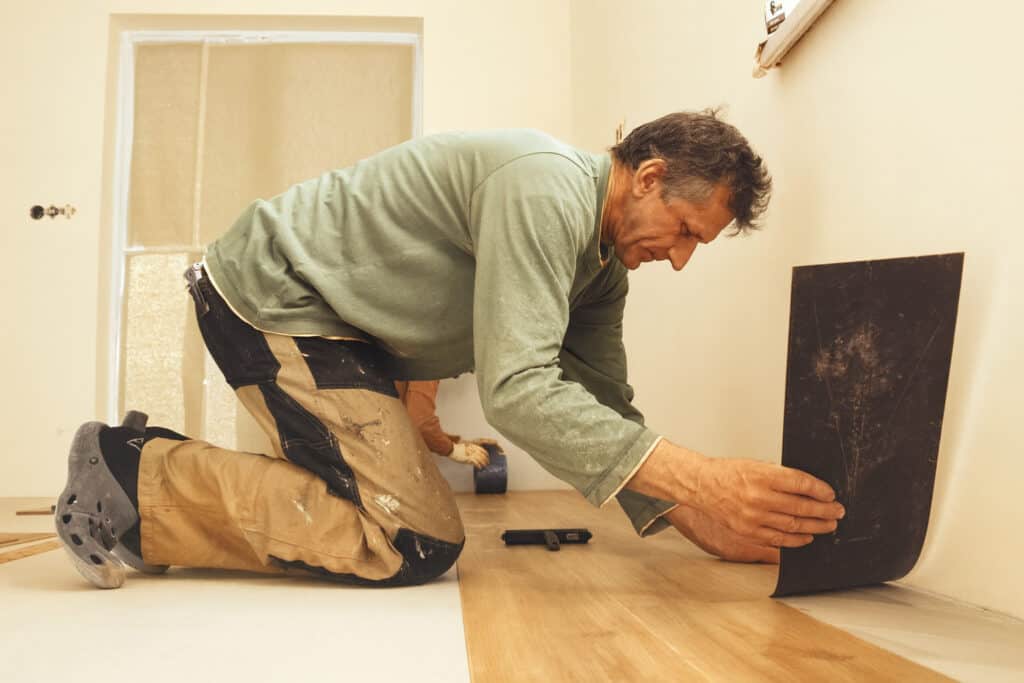
Basements present unique challenges: concrete floors, moisture, and temperature differences all affect your flooring choice. Homeowners must address moisture and insulation before installing any flooring. Building science experts emphasize that “basements need to be dry” to avoid mold, pests, and structural problems. In fact, a damp basement can cause mold allergies and even asthma in susceptible people. Before choosing a floor, inspect and fix leaks or drainage issues – if you notice musty smells, puddles, or efflorescence on walls, your basement may need waterproofing first. Climate also matters: in cold regions you’ll want insulation underfoot to avoid chilly floors, while in hot/humid climates choose materials that breathe and resist moisture. Once you’ve completed repairs to a damaged slab, explore flooring options after repairing a crumbling basement floor.
Now your basement is prepped and dry, consider these DIY-friendly flooring options. We describe their pros and cons and highlight recommended products (available via Amazon) where applicable. We also note which floors work best in hot versus cold climates, and how to keep your basement comfortable year-round.
Key Considerations Before Flooring
- Moisture Control: Water is the enemy of basement floors. Even a tiny leak can warp wood or mold out carpet. Test concrete slabs with a 24-hour plastic sheet test, and fix any moisture sources. Use a dehumidifier or ventilator to keep humidity under ~50%. (The U.S. Dept. of Energy notes that moisture strategies “depend on your climate and how your home is constructed”.) In humid climates, consider a vapor barrier underlay or raised subfloor panels to keep moisture at bay.
- Insulation & Comfort: In cold climates or unheated basements, insulating underlayment can make floors feel warmer. Missouri Extension notes that uninsulated floors above unheated basements lose half as much heat as ceilings do. Adding insulation under the floor (or perimeter slab insulation) yields “more comfortable floors and a net savings on your energy bill”. Heated floor mats can also be installed under tiles or vinyl for extra warmth.
- Durability & Use: Think about how you’ll use the space. Gyms or playrooms may need rubber or foam tiles for cushioning; living spaces may prefer hardwood-look floors. Choose flooring rated for concrete subfloors and consider impact resistance, wear, and maintenance.
- Waterproofing: If your basement needs waterproofing work, complete that first. Look for signs like carpet discoloration, mold spots, or bubbling paint. (See our warning signs guide for details.) Preventative waterproofing is far cheaper than dealing with flood damage – even 1 inch of floodwater can cause ~$25,000 in losses.
With these basics covered, let’s explore the best DIY flooring options for basements.
Epoxy and Concrete Coatings
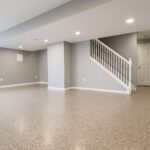
Epoxy floor coatings turn bare concrete into a glossy, durable surface. Unlike simple floor paint, epoxy is a two-part resin that chemically bonds to the concrete, creating a seamless, rock-hard finish. When properly applied, epoxy floors resist water, oil, and chemicals and last for years even in high-traffic areas. Many DIY kits (for example, the Rust-Oleum 2-Part Epoxy Basement Floor Kit or the A.N.E. Superior Flow Epoxy 3-Gallon Kit) come with resin, hardener, and optional color flakes.
- Pros: Extremely durable and waterproof; hides cracks in concrete; gives a professional look. Epoxy kits often cover 200–500 sq.ft. and can be mixed with decorative chips or metallic pigments. It resists staining and is easy to clean. (For example, the Rust-Oleum EpoxyShield Basement Kit covers ~250 sq.ft. per kit and cures to a satin finish that’s waterproof and stain-resistant.)
- Cons: Surface prep is critical. You must crack-fill, etch or acid-wash, and thoroughly dry the slab before applying. Even a trace of moisture can cause epoxy to peel. The fumes can be strong, so ventilate well. Application is time-sensitive: once mixed, epoxy cures in hours, so work quickly. It also requires leveling: if the slab is uneven, consider patching or self-leveling concrete first.
- Climate: Epoxy works in any climate once applied, but do the install during moderate temps (50–80°F) per manufacturer instructions. It does not insulate, so in cold basements you may want a thin insulating sublayer beneath, or combine epoxy with thin rubber mats in high-use areas.
DIY Tip: Before coating, test the slab by taping plastic on concrete for 24h. If condensation forms under the plastic, you’ll need to cure the slab or add a moisture barrier. You can follow the DOE’s moisture control guidelines to manage damp concrete. Also check our DIY Basement Floor Epoxy Coating guide for a full step-by-step on prep and application.
Vinyl Plank and Tile
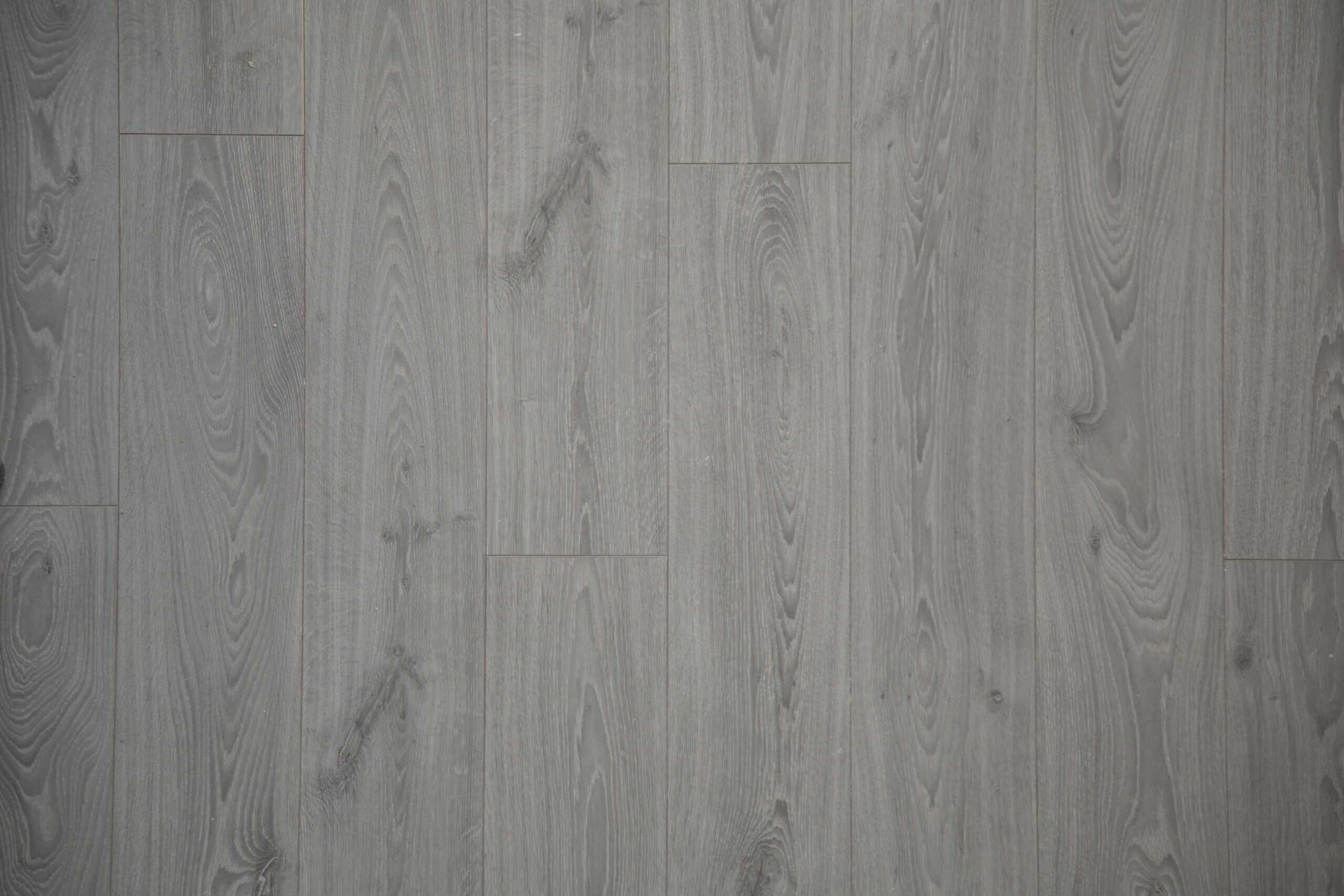
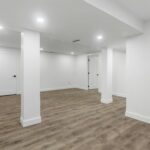
Luxury Vinyl Plank (LVP) and vinyl tile/sheet vinyl are extremely popular for basements. Vinyl is fully waterproof and comes in realistic wood or stone looks. Modern vinyl planks have click-lock installation, so you can often float them over a slightly uneven concrete slab. Many brands offer rigid-core vinyl (WPC or SPC) with built-in underlayment for comfort.
- Pros: Waterproof and low-maintenance. Vinyl can handle moisture better than wood or laminate. It’s fairly DIY-friendly with click-lock planks or peel-and-stick tiles. Vinyl is also softer underfoot than tile and available in many styles. Some luxury vinyl is 20mil or thicker, providing long wear. It’s also relatively quiet (especially with foam underlayment) and doesn’t crack like tile.
- Cons: Vinyl will expand/contract slightly with temperature, so leave perimeter gaps. In very humid basements, trapped moisture could still warp vinyl over years if not installed with a vapor retarder. Glue-down vinyl requires a skillful, flat install. Very cheap vinyl may have low durability or fade over time.
- Climate: Vinyl is great for warm/humid climates because it stays cool underfoot and doesn’t trap heat. In a hot, humid basement it still performs well as a moisture-resistant floor (especially if you use a vapor-barrier pad or mat). In cold basements, a good foam underlayment is recommended to add insulation and comfort. Vinyl does not insulate on its own, so consider radiant floor heating under vinyl if winter chill is a concern.
Product Example: Consider Armstrong or Shaw Floorte Vinyl Plank Flooring (available on Amazon and at home centers). These come with locking edges and often an attached foam backing. Another is Lifeproof Vinyl Plank (sold at big box stores), which is budget-friendly and fully waterproof.
Laminate Flooring
Laminate flooring (wood-look laminate boards) is another common choice. Laminate has a wood-fiber core with a photographic veneer and a protective wear layer. Like vinyl, laminate planks click together for a floating floor.
- Pros: More affordable than hardwood; scratch-resistant and easy to clean. It gives a wood-like look at a low price. Installation is straightforward for DIYers, with just tapping blocks and spacers. Many laminates have integrated underlayment for sound absorption.
- Cons: Most standard laminate is not waterproof. If moisture wicks into the joints, it will swell and warp. For basements, choose water-resistant or “wet area” laminate made for tighter joints, or consider SPC rigid-core laminate. In any case, always install a quality vapor barrier or use a raised subfloor panel underlayment to keep moisture from below. Also, laminate can feel cold and hard on bare concrete – underlayment helps, but it’s still not as warm as vinyl or carpet.
- Climate: In a dry, cold basement, laminate with foam underlayment can make a nice finish. But in a humid or wet climate, vinyl or tile is safer. If you do use laminate in a basement, be sure to acclimate it to room humidity for days before installation and use moisture-blocking glue at seams as extra insurance.
Pro Tip: There are now SPC (Stone Polymer Composite) luxury vinyl floors that look like laminate/hardwood but are waterproof – these combine the stability of laminate install with vinyl’s water resistance. These can be a great investment for basements.
Carpet Tiles and Area Rugs
For cozy comfort, carpet tiles or rugs can work in basements, especially in living or play areas. Unlike broadloom carpet glued to the floor, carpet tiles are interlocking or stick down squares that make replacement easy.
- Pros: Carpet adds warmth, sound-dampening, and softness. Modular carpet tiles (for example, FLOR Carpet Tiles or TrafficMASTER interlocking tiles) allow individual squares to be replaced if stained or mildewed. They are typically made of synthetic fibers that resist mold better than regular carpet backing. Installation is often just peel-and-stick or loose-lay with tack strips.
- Cons: Carpets absorb moisture and odor, so they’re only suitable for very dry finished basements. If there’s any doubt about moisture, avoid carpet – mold can grow under it. Even carpet tiles require a moisture barrier underneath the pad or tiles if placed on concrete. In case of flooding, all carpet will need to be ripped out. Also, carpet may not match the industrial look of some basement finishes.
- Climate: Carpet is best in cool, dry climates – it insulates well so it keeps feet warm in winter. In humid basements, it’s risky unless the basement is fully waterproofed and humidity-controlled. Some homeowners use area rugs instead, so they can be moved for drying after a cleanup.
Product Example: On Amazon you might find FLOR Textilene or polyamide carpet tiles (quick installation) or Mohawk SmartStrand carpet tiles in neutral tones. If going broadloom, a moisture barrier pad and special concrete-grade carpet glue are required.
Ceramic and Porcelain Tile
Tile is one of the most durable basement floors, though it’s more of a DIY project (or you may hire it out).
- Pros: Ceramic or porcelain tiles are completely waterproof and inert. They won’t warp, stain, or harbor mold on the surface. Porcelain is denser and more water-resistant than ceramic. Tiles come in endless styles (stone-look, wood-look, patterns) and can last decades. Tiles stay cool in hot weather, which can be a benefit in warm climates. They are easy to clean – just sweep and mop.
- Cons: Hard, cold, and unforgiving underfoot (rugs or radiant heat under tile may be needed). Installation requires a flat slab: you may need to pour a leveling mortar first. Tiles and grout can crack if the concrete moves or if subfloor wasn’t prepped; freeze-thaw in cracks can chip grout. Because of this, tile often needs professional installation – DIY tiling over a large basement is a big project. Also, grout lines need sealing to prevent dirt and moisture intrusion.
- Climate: Excellent for humid or hot basements, as they won’t be damaged by moisture and help keep the space cool. In cold climates, add a heated mat or insulative tile backer for warmth. Note that tiling over an unheated, cold basement slab can make the room feel chillier.
If you choose tile, consider porcelain tile with a bevel – it can handle slight slab imperfections. Waterproof grout or epoxy grout is also recommended.
Rubber and Foam Flooring
For gyms, playrooms, or workshop areas, rubber or foam interlocking mats are ideal.
- Pros: Rubber tiles (often ½″ to ¾″ thick) provide cushioning, sound absorption, and are naturally water-resistant. Commercial gym rubber flooring is sturdy and easy to assemble. Foam mats (like EVA interlocking puzzle mats) are softer and cheaper, though less durable under heavy loads. Both types are easy to clean and slip-resistant. They feel warmer than bare concrete. Rubber is mold-resistant and can handle moisture much better than wood or carpet.
- Cons: Rubber has a rubbery odor initially, and looks more utilitarian (which is fine for a gym or garage style). Quality rubber tiles can be pricey. Foam mats can be punctured by sharp objects and may compress under heavy furniture. Neither rubber nor foam has an appeal as a “finished” floor for living spaces – they look industrial. If installed directly on concrete, ensure you have a vapor retarder or consider a raised subfloor panel underneath, as trapped moisture under rubber can still damage the concrete.
- Climate: Rubber/foam handles both hot and cold climates well. It does not insulate much, so it may feel cool in a cold basement (underlayment helps). In hot basements, rubber stays relatively cool. Because it’s moisture-resistant, this flooring is a safe choice for areas prone to dampness.
Product Example: On Amazon, look for BalanceFrom 1/2″ EVA Foam Tiles or Rubber-Cal interlocking tiles. These often come in packs (e.g. 24″×24″ tiles). Brands like SuperJare or ProSourceFit offer multi-pack rubber/foam mats suitable for home gyms.
Engineered Wood and Others
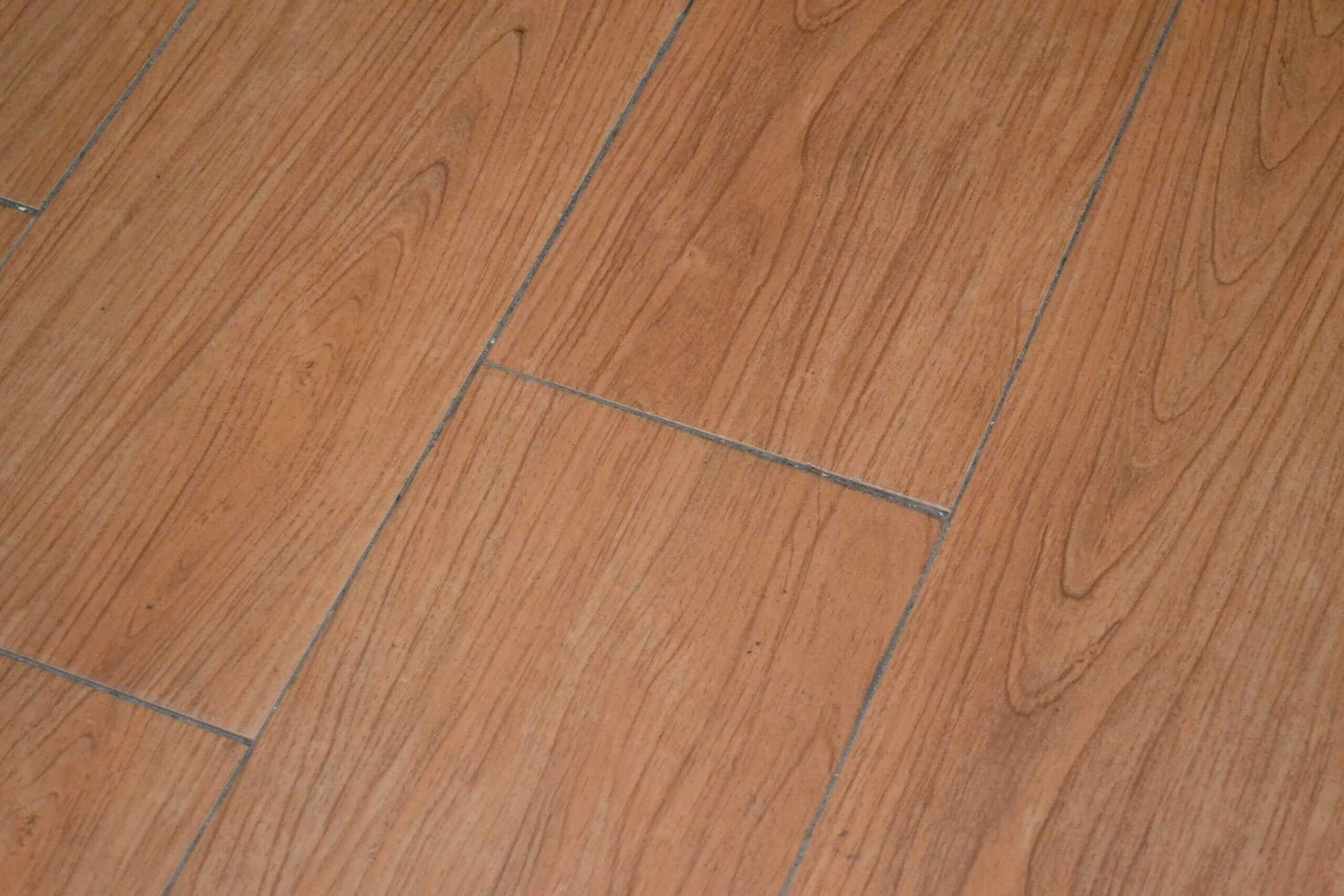
Strictly speaking, hardwood is not recommended for basements unless they are perfectly dry and conditioned, due to risk of warping. However, engineered wood or water-resistant hybrid floors can sometimes be used:
- Engineered Wood: This is like plywood with a thin hardwood veneer. Some brands rate their products “basement safe,” especially those with waterproof cores. But you must still control moisture. If using engineered wood, always install it on a moisture barrier and leave expansion gaps. It looks the most like real wood, but cost can be high.
- Cork Flooring: Cork is naturally mold-resistant and provides insulation. It’s used in some finished basements because it tolerates minor moisture. However, cork still needs sealing and will not survive standing water, so it’s a niche choice.
- Painted or Stained Concrete: A budget option is to simply paint or acid-stain the concrete. Paints (like concrete floor paint) offer limited durability, but are easy for a quick fix. Stain + polyurethane seal can give a nice mottled look. This is more of a short-term or decorative DIY fix than a long-lasting floor.
- Raised Subfloors: There are interlocking subfloor systems (like DMX-Active or Barricade panels) that create a vented floor above the concrete. On top of those, you can install wood, vinyl, or carpet. These panels have built-in vapor barriers and add insulation, but the tradeoff is the floor sits a few inches higher. They’re more of a professional install, but some handy DIYers do them.
Climate and Comfort Tips
- Cold Climates: Focus on insulation. Use insulated underlayment, or pre-finished subfloor panels. Radiant heating under tile or vinyl is an excellent way to eliminate cold floors. Adding area rugs can make any floor feel warmer. Make sure exterior grading and gutters keep water away – no snowmelt pool under your basement!
- Hot/Humid Climates: Prioritize moisture barriers and ventilation. A dehumidifier is almost mandatory in many humid regions. Flooring that stays cool (tile, concrete, vinyl) can help keep the space comfortable. If condensation is a problem, raise the floor on insulated panels (e.g. DryCore) or use damp-proof membranes.
- Universal Best Practices: Always leave expansion gaps around the perimeter for floating floors. Install quarter-round or base shoe to cover gaps. Seal the concrete with a primer or epoxy primer before any paint or tile for better adhesion. Check local building codes – some climates require insulating basement walls or floors to certain R-values. And remember, any finished basement floor should be above any vapor barrier layer (like polyethylene on the ground, if it’s a walkout).
Summary of Options
- Epoxy/Concrete Coatings: Best for: a seamless, waterproof surface on concrete (great for garage-style basements or workshops). DIY-level: Moderate to high (requires thorough prep). Cost: Moderate (200–500 sq.ft. coverage per kit). Example: Rust-Oleum 2-Part Epoxy Kit (Amazon) – durable clear or colored finish.
- Luxury Vinyl Plank/Tile: Best for: waterproof, wood-look style floors. DIY-level: Easy to moderate (click-lock or glue). Cost: Moderate. Example: Lifeproof or Shaw Floorte LVP (carry warm wood grain designs).
- Laminate: Best for: dry basements wanting wood visuals on a budget. DIY-level: Easy. Cost: Low to moderate. (Consider SPC laminate for moisture.)
- Ceramic/Porcelain Tile: Best for: high durability and moisture resistance. DIY-level: Hard (needs flat subfloor and grouting skill). Cost: High (materials and possible pro install).
- Carpet Tiles/Rugs: Best for: comfort in completely dry living spaces. DIY-level: Easy. Cost: Variable (mid for tile, low for rugs).
- Rubber/Foam Mats: Best for: gyms/playrooms – cushioning and waterproof. DIY-level: Easy. Cost: Moderate to high for quality rubber.
- Other (Wood, Cork): Used with caution and usually only if absolutely necessary conditions are met.
DIY Basement Flooring FAQ
What is the best flooring for a basement that floods?
The best flooring for a flood-prone basement is epoxy coating, porcelain tile, or sealed concrete. These options are waterproof and won’t be damaged by standing water. Avoid carpet, wood, or standard laminate, which can warp or grow mold after a flood.
Can you put vinyl plank flooring directly on concrete in the basement?
Yes, but it’s recommended to use a vapor barrier underlayment between the vinyl and concrete, especially in humid areas. This helps prevent moisture from damaging the planks and keeps mold from forming underneath.
Is it okay to install carpet in a basement?
Carpet can be installed in a dry, finished basement, preferably as carpet tiles with a moisture barrier underneath. It’s not ideal for damp or humid environments, as it can trap moisture and harbor mold.
What is the easiest DIY basement flooring to install?
Vinyl plank flooring, rubber tiles, and foam mats are among the easiest options. They often feature click-lock or interlocking designs that require minimal tools and no glue.
Will flooring help insulate a cold basement?
Some floors help. Insulated underlayments, engineered wood, or raised subfloor systems improve warmth. You can also combine flooring with radiant floor heating or use area rugs for extra comfort.
Is it safe to use hardwood flooring in a basement?
Traditional hardwood is not recommended due to moisture risks. If you want a wood look, consider engineered hardwood or luxury vinyl plank that mimics wood but is more moisture-resistant.
How do I know if my basement floor is too damp?
Tape a square of plastic (2’x2′) to the concrete floor and leave it for 24–48 hours. If condensation forms underneath, you have a moisture issue that must be addressed before flooring.
Do I need to waterproof my basement before installing new flooring?
Yes. Waterproofing is essential before laying any basement flooring. Check for leaks, high humidity, or condensation. If you see signs of water intrusion, address those first. See our guide: Signs You Need Basement Waterproofing
Can I use peel-and-stick tiles on a basement floor?
Yes, but only if the concrete is completely dry, level, and clean. Use waterproof-rated tiles and consider a primer for better adhesion.
What flooring is best for a basement home gym?
Rubber tiles or high-density foam mats are ideal for gyms. They provide shock absorption, resist moisture, and are easy to clean.
In Closing
Choosing the right DIY basement flooring means balancing style, budget, and the unique conditions of your home. Always start with a dry, level subfloor: repair cracks, ensure good drainage, and insulate as needed. Then pick a floor that suits the room’s purpose and your climate. Waterproof, durable materials like epoxy, vinyl, tile, or rubber are safest for basements prone to dampness. Remember to link to helpful guides on our site – for instance, our DIY Basement Epoxy Coating guide walks through the epoxy process, and the Basement Finishing guide covers overall prep.
By planning carefully and using the right materials, you can transform your basement into a comfortable, long-lasting living space. Whether you’re laying down vinyl planks or rolling out foam mats, the best basement floor is one built on dry concrete and sound preparation.

Pingback: Average Cost to Finish a Basement DIY (2026 Homeowner Guide)
Pingback: How to Fix a Crumbling Concrete Basement Floor