
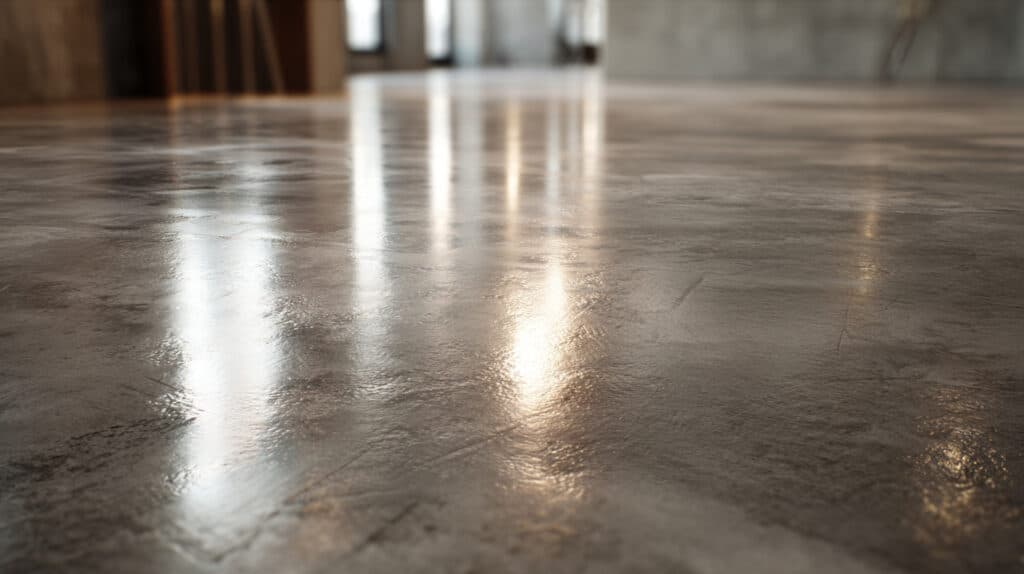
Epoxy basement flooring is one of the most durable and attractive ways to protect your concrete slab from moisture, stains, and daily wear. When properly installed, it creates a glossy, sealed surface that resists water, oil, and chemicals — making it ideal for high-moisture spaces like basements.
But one question homeowners always ask is: how long does epoxy basement flooring actually last? The answer depends on installation quality, humidity levels, and maintenance habits.
Average Lifespan of Epoxy Basement Floors
The average lifespan of epoxy basement floors can vary significantly depending on whether it’s a DIY project or a professional installation.
DIY Epoxy Lifespan (5–7 Years)
Most DIY epoxy kits found at hardware stores last about five to seven years. These kits are affordable and convenient but tend to use thinner formulas with less solid content. In addition, homeowners often skip key preparation steps like acid-etching or moisture testing, which shortens lifespan.
Professional Epoxy Lifespan (10–20 Years)
A professionally installed epoxy system can last 10 to 20 years or more. Professionals typically use high-solids or 100% solids epoxies that cure harder and thicker. They also include moisture barriers, primer coats, and UV-resistant topcoats — all of which extend durability and shine.
Factors That Affect Longevity
Several factors influence how long your floor lasts:
- Concrete preparation quality: Properly cleaned, etched, and sealed concrete helps epoxy adhere tightly.
- Moisture control: Basements with high humidity or hydrostatic pressure can cause bubbling or delamination.
- Foot traffic and use: Storage areas last longer than workshops or home gyms.
- Maintenance habits: Regular cleaning and reapplying a clear topcoat can dramatically extend the lifespan.
Key Factors That Shorten Epoxy Lifespan
Even high-quality epoxy coatings can fail early if certain issues aren’t addressed. Here are the main culprits that shorten epoxy lifespan in basements.
1. Poor Surface Preparation
Epoxy can’t bond properly to dirty, oily, or unsealed concrete. If old paint, sealers, or dust remain on the slab, the coating will peel or bubble within months. Always clean, degrease, and mechanically etch the surface before applying epoxy.
See our step-by-step epoxy coating guide for detailed prep instructions.
2. Moisture and Hydrostatic Pressure
Basements naturally hold more moisture than above-grade floors. Hydrostatic pressure — water vapor pushing upward through concrete — can separate epoxy from the slab.
Use a moisture barrier primer or test with a plastic sheet before coating. For long-term protection, follow EPA moisture control guidelines (source) to reduce indoor humidity.
3. Low-Quality Epoxy Kits
Budget DIY kits may contain less than 50% solids, meaning much of the coating evaporates as it cures. This leaves a thinner layer that wears down quickly. Professional-grade epoxies, like those available on Amazon, often specify ‘high solids’ or ‘100% solids’ formulas. These products cure thicker and harder, offering double the lifespan of standard DIY kits.
Tips to Make Your Epoxy Floor Last Longer
With consistent care and simple maintenance habits, your epoxy basement floor can remain glossy and intact for well over a decade.
1. Clean Regularly
Sweep or vacuum weekly to prevent grit from scratching the surface. Use a pH-neutral floor cleaner and warm water — avoid harsh chemicals or vinegar that dull the shine.
Pro Tip: Mop using microfiber pads instead of traditional cotton mops to prevent streaks and micro-abrasions.
2. Control Basement Humidity
Keep relative humidity under 50% using a dehumidifier or ventilation fan. Consistent moisture control reduces blistering, peeling, and mold growth beneath the coating.
Quick Check: If you notice condensation on walls or musty odors, run a dehumidifier continuously during humid months.
3. Protect Against Scratches
Use felt pads under furniture and avoid dragging heavy equipment. Rubber mats work great for workstations or gym setups.
4. Reapply a Clear Topcoat Every 3–5 Years
A UV-resistant polyurethane or epoxy clear coat acts like sunscreen for your floor — sealing micro-scratches and protecting color flakes from fading. Recoating every few years can add another decade to your epoxy’s life.
When to Recoat or Replace Epoxy
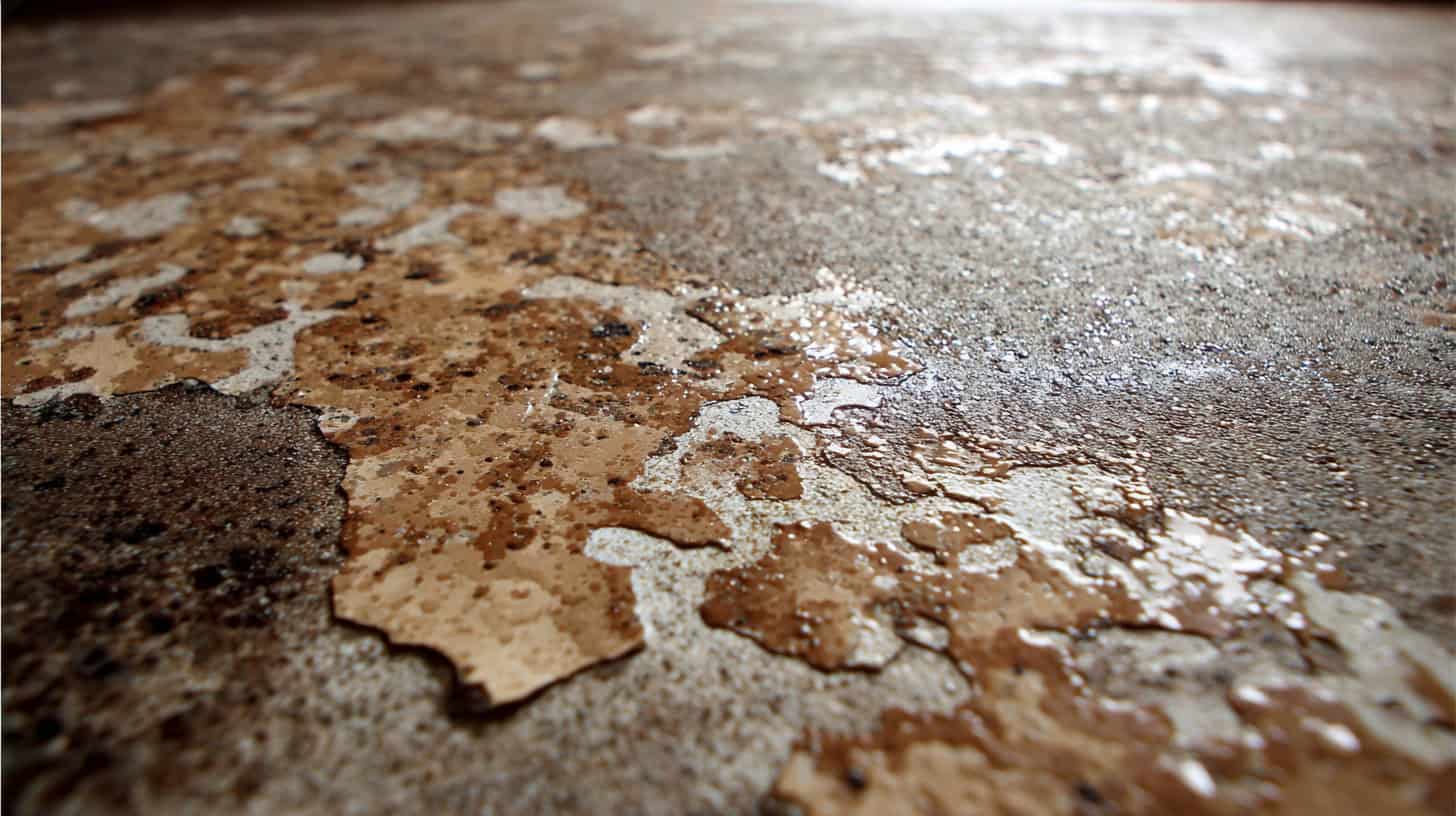
Even well-maintained epoxy will eventually show signs of wear. Knowing when to recoat or replace helps you restore the look without wasting money.
Visual Signs It’s Time to Recoat
- Peeling or flaking: Indicates poor adhesion or moisture under the surface.
- Yellowing or discoloration: Common from UV exposure or chemical spills.
- Dull finish or worn traffic areas: Suggests the topcoat has thinned.
- Bubbling or blistering: Usually caused by trapped air or vapor pressure.
How to Safely Recoat Existing Epoxy
Recoating is often easier and cheaper than full replacement:
- Clean and sand the existing surface with 120-grit sandpaper to create a profile.
- Vacuum and wipe with denatured alcohol to remove dust.
- Apply a bonding primer or intermediate epoxy coat.
- Finish with a clear topcoat for shine and protection.
If large areas have delaminated, you’ll need to grind down to bare concrete and reapply a full system.
FAQs: Epoxy Floor Longevity
Can I make epoxy floors last 20 years?
Yes — with professional installation, good prep, and humidity control, epoxy floors can last up to 20 years or longer. Applying a clear topcoat every few years and keeping moisture below 50% humidity will greatly extend lifespan.
What causes epoxy floors to peel early?
Early peeling typically comes from poor surface prep or trapped moisture. If concrete wasn’t etched or sealed, epoxy can’t bond properly. Hydrostatic pressure and low-quality kits also cause delamination within the first year.
Can I recoat my epoxy floor without removing it?
Yes — as long as the coating isn’t lifting or bubbling. Lightly sand, clean, and apply a new coat following manufacturer directions for bonding. This refresh restores shine and protection.
How do I stop epoxy from yellowing?
Use a UV-resistant topcoat and avoid leaving chemical spills on the floor. Some clear coats have built-in UV stabilizers designed for basements and garages.
Is epoxy flooring good for damp basements?
Epoxy works well if the concrete is properly sealed and moisture is controlled. Always test for vapor emissions before applying, and consider using a vapor-barrier primer if your basement is humid.
Conclusion: Keeping Your Epoxy Floor Looking New for Years
Epoxy basement flooring is one of the most durable and low-maintenance upgrades you can make to your home. While DIY epoxy floors typically last 5–7 years and professional installations can exceed 20 years, the real difference comes down to preparation, moisture control, and maintenance. By keeping humidity low, cleaning regularly, and adding a clear topcoat every few years, you can preserve that glossy, protective finish for the long haul. A well-maintained epoxy floor not only looks great — it also helps protect your basement concrete from moisture damage and stains for decades.

Pingback: Epoxy Concrete Floor DIY: Dos and Don’ts for a Smooth Basement Finish