
Painting basement walls is one of the most common DIY upgrades homeowners attempt. A fresh coat of paint can brighten a dark space, reduce concrete dust, and make a basement feel cleaner and more usable.
But before you pick up a roller, there’s one critical question you must answer:
Can you paint basement walls if they’re damp?
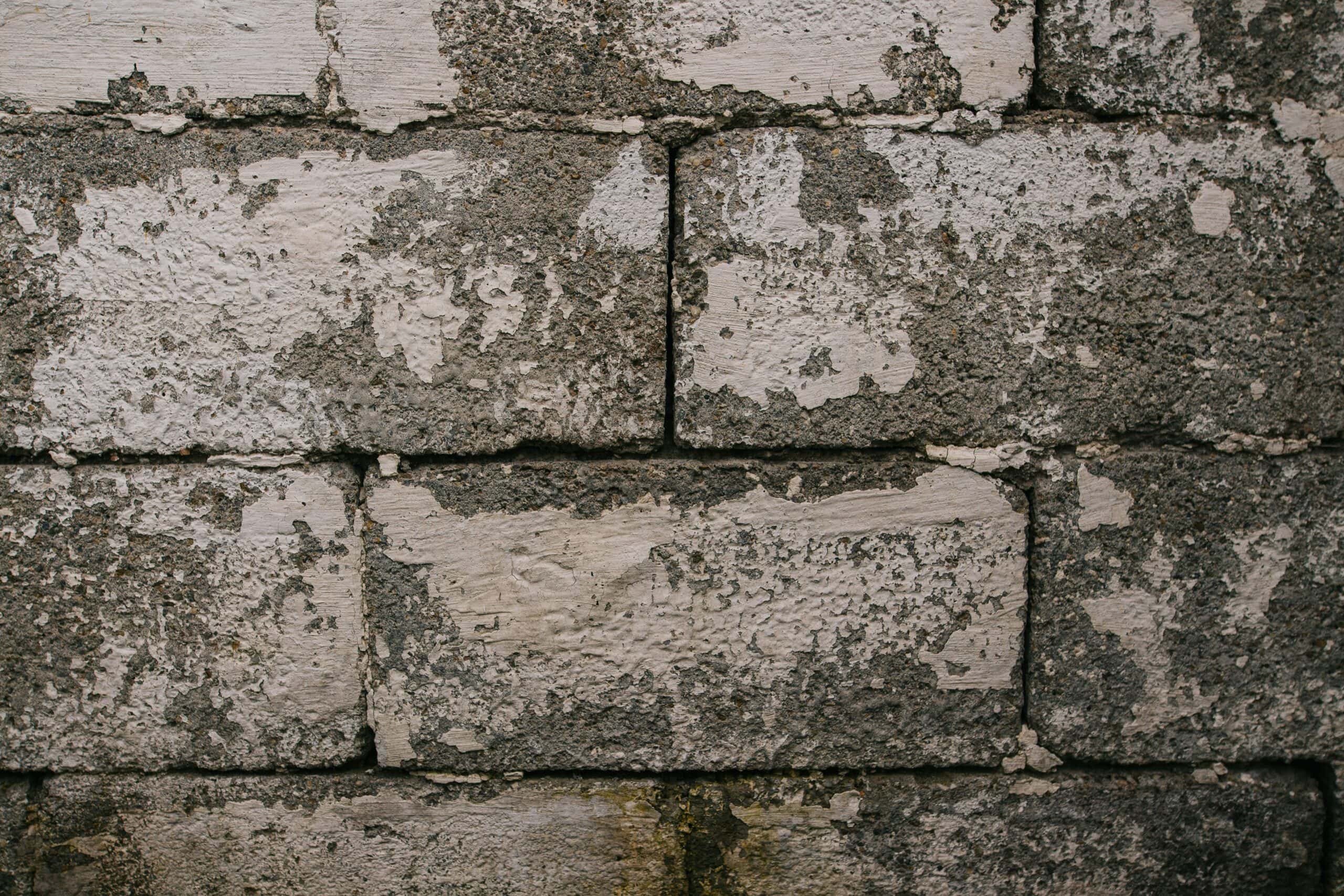
No. You should not paint basement walls if they’re damp. Moisture prevents paint from bonding properly and almost always leads to peeling, bubbling, or mold growth.
This guide explains why damp walls cause paint failure, how to tell if your basement walls are too wet to paint, what happens if you paint anyway, and what to do instead to ensure your paint job actually lasts.
If you’re planning to paint once moisture is controlled, choosing the right product matters. See our full guide to the best paint for concrete basement walls.
Why Basement Walls Are Often Damp
Basement walls are uniquely prone to moisture because they sit below ground level, surrounded by soil that holds water. Even homes without visible leaks can experience constant moisture vapor moving through concrete.
Common causes include:
- Groundwater pressure against foundation walls
- Poor exterior grading or short downspouts
- Clogged footing drains or sump pump issues
- Foundation cracks (even hairline ones)
- Block walls wicking moisture upward
- High indoor humidity and condensation
Concrete is porous by nature. That means it continuously absorbs and releases moisture — even when walls look dry.
What “Damp” Really Means (And Why It Matters)
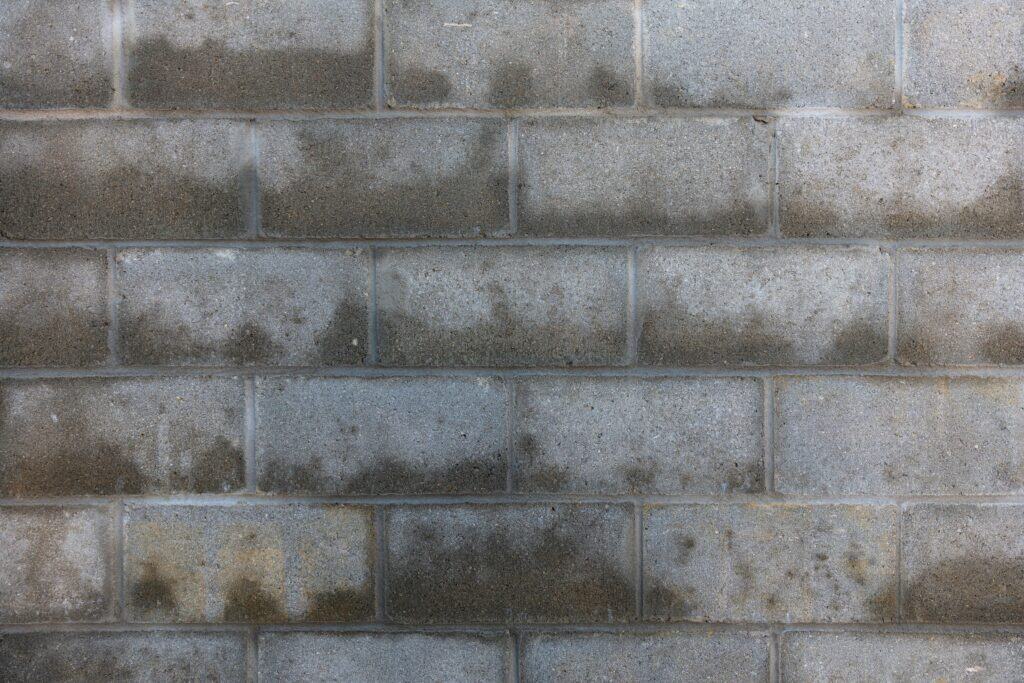
Many homeowners think “damp” means water actively dripping down the wall. In reality, basement walls can be too damp to paint even when they appear dry.
Signs your walls may still be damp:
- Cool, clammy feeling on the surface
- Darkened patches that dry slowly
- White powdery residue (efflorescence)
- Musty or earthy odors
- Previous paint bubbling or flaking
Paint failure doesn’t require visible water. Moisture vapor pressure alone is enough to break paint adhesion.
What Happens If You Paint Damp Basement Walls?
Painting over damp concrete typically fails — here’s why. If you have widespread mold, recurring wet walls, or water after storms, consider bringing in a waterproofing pro or mold professional before finishing or painting.
Paint can’t properly bond to damp concrete
Moisture interferes with adhesion. As water vapor continues moving through the wall, pressure builds behind the paint film.
This causes:
- Bubbling
- Blistering
- Peeling sheets of paint
- Chalky residue pushing through
Even products marketed as “waterproof” can fail if moisture is still present behind the wall.
Moisture gets trapped behind the paint
Many basement paints create a surface film. If moisture is sealed behind that film, it has nowhere to escape.
Trapped moisture leads to:
- Hidden mold growth
- Mildew odors
- Long-term wall deterioration
Once moisture is trapped, problems worsen — not improve.
Mold can grow behind the paint
Paint does not kill mold. The EPA notes that mold thrives in moist environments, especially when moisture is hidden behind finishes.
Painting over damp walls can hide mold growth while allowing it to spread unseen — a common issue in finished basements.
The paint job fails prematurely
A paint job that should last 10–15 years may fail in months if moisture isn’t addressed first. Repainting without fixing the cause only repeats the cycle.
Is There Any Paint That Works on Damp Basement Walls?
This is where confusion often sets in.
Some masonry waterproofing paints can tolerate slightly damp surfaces during application, but that does not mean they perform well long-term on damp walls.
Important distinction:
- Wet or actively damp walls: Paint fails
- Seasonal vapor / mild dampness: Only paint after moisture is stabilized and the wall passes a moisture test
- Dry, stable walls: Best-case scenario
Even the best paint for concrete basement walls will fail if moisture vapor is constantly pushing through the wall.
Related: How long basement walls should dry before painting
Paint should always be the final step in a basement moisture plan — never the solution itself.
How to Tell If Basement Walls Are Too Damp to Paint
The foil test (simple DIY check)
- Tape a square of aluminum foil tightly to the wall
- Leave it for 24 hours
- Remove and inspect
- Moisture behind foil: Wall is too damp
- Moisture on front: Condensation issue
- No moisture: Likely safe to proceed
Visual red flags
Do not paint if you see:
- Efflorescence
- (White powdery residue) — salts pushed out by moisture moving through the wall
- Active seepage after rain
- Mold or mildew
- Flaking or bubbling old paint
These indicate unresolved moisture problems.
Why Basement Humidity Matters Before Painting
If your walls were recently wet, use this timeline first: How long basement walls should dry before painting.
When relative humidity stays above 50–55%, moisture vapor constantly pushes through porous concrete.
This leads to:
- Poor paint adhesion
- Efflorescence bleeding through
- Mold growth behind finishes
Higher indoor humidity makes mold more likely — and basements often run humid unless they’re actively controlled.
Related: Ideal Basement Humidity Level
Related: How to Lower Basement Humidity
What to Do Instead of Painting Damp Walls
Step 1: Fix the moisture source
Paint cannot overcome active moisture.
Address:
- Exterior grading and drainage
- Foundation cracks
- Downspout extensions
- Sump pump or drain issues
If water is entering the basement, painting should wait.
Step 2: Control basement humidity
Stabilize humidity before painting.
Target range: 40–50% relative humidity
This often requires:
- A properly sized dehumidifier
- Improved airflow
- Sealing air leaks
- Drainage improvements
The University of Minnesota Extension warns that finishing or painting basements without controlling moisture can worsen mold and structural damage.
Step 3: Allow walls to fully dry
Once moisture and humidity are controlled, give walls time to dry fully — often several days.
Only then should surface prep begin.
When Is It Safe to Paint Basement Walls?
You’re ready to paint when:
- Walls pass the foil test
- Humidity stays below 50% consistently
- No efflorescence is present
- No active leaks or seepage occur
At that point, use a paint specifically designed for masonry and follow proper prep steps.
Related: Basement Drain Clogged – Causes & Fixes
Final Verdict: Should You Paint Damp Basement Walls?
No. Painting damp basement walls is a short-term cosmetic fix that almost always fails.
The correct approach is:
- Fix water intrusion
- Control humidity
- Let walls dry
- Use the right masonry paint
When done correctly, painting basement walls can last for years and improve both appearance and durability. When done prematurely, it leads to peeling paint, mold risk, and repeated repairs.
If you’re planning to paint, start by understanding moisture — not paint.


Pingback: Best Paint for Concrete Basement Walls (Dry, Mold-Resistant)
Pingback: How Long Should Basement Walls Dry Before Painting?
Pingback: Best Paint for Basement Walls (2026 Guide + Top Picks)
Pingback: When Do You Need a Crawl Space Dehumidifier? Signs It’s Time to Upgrade
Pingback: What Does a Wood Moisture Meter Do? How to Check for Damp Wood