
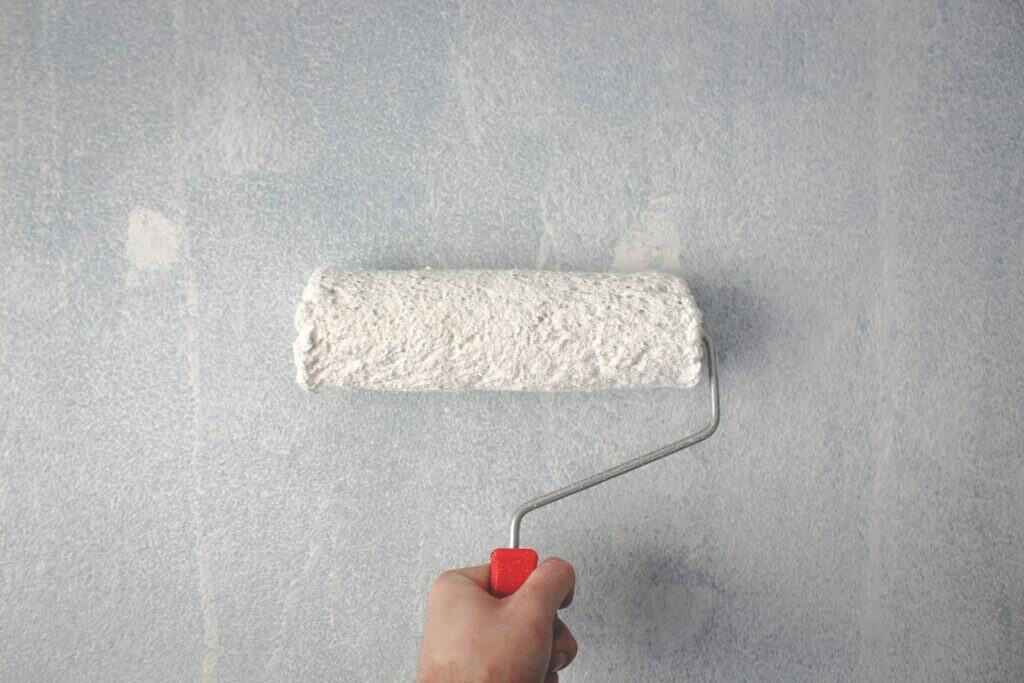
If your basement walls are damp, musty, or you want a cleaner, brighter look that actually blocks water, you need the right waterproofing paint, not just any indoor wall paint. Below are four proven picks that work well for most DIY homeowners, plus simple guidance on which to choose for concrete, block, stone, or mixed walls, and how to prep so the paint actually lasts.
Top Basement Paint for Walls: Best Overall and Top Alternatives
1) Best overall pick for most DIYers
UGL DRYLOK Latex‑Base Masonry Waterproofer (Set of 2, 1 gal each)
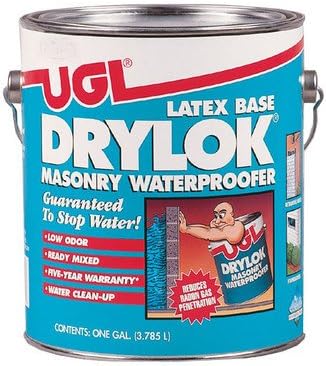
Best for: most homeowners tackling damp or mildly wet basement walls; medium‑size jobs.
Why this is the strongest single pick
- DIY‑friendly latex formula with lower odor than many older coatings, easier cleanup, and clear packaging for a typical home job. It comes as a set of two gallons, which is a nice match to many basement walls without guesswork on quantity, good for budget and convenience.
- A trusted mainstream waterproofing coating from a well‑known brand, widely used for interior and exterior masonry. Active Amazon listing helps you buy quickly without hunting for stock.
- Works well across typical wall types, concrete, block, or mixed walls, once the surface is prepped and cracks are sealed.
Tradeoffs / notes
- Not a fix for active leaks. It’s a protective coating, not a structural repair; prep and repair come first.
- Price and seller can vary over time on Amazon; if stock changes, the other picks below remain excellent substitutes.
If your wall is damp or has had moisture, this is the safest starting point before deciding on anything more specialized.
2) Strong mainstream alternative with top performance claims
Zinsser WaterTite LX Ultra Waterproofing Paint (1 gal)
Best for: general basement walls when you want a first‑tier brand with a stronger technical guarantee.
Why this is a top pick
- High water resistance claim. The official technical documentation from the manufacturer states it resists up to 20 PSI of water pressure, plus very low odor and soap‑and‑water cleanup. That’s an unusually strong benchmark for a DIY‑friendly coating.
- Retailer info supports the same pressure claim and highlights the barrier formed on concrete; useful reassurance when walls are likely to get damp.
- Long guarantees and bright finish. The official data also notes a long‑term warranty period and durable finish, valuable when you want something that lasts more than a season.
Tradeoffs / notes
- Availability and pricing on Amazon can vary; use See Merchant Listing if no single price is shown.
- Like all waterproof coatings, prep still matters: clean, dry or properly prepped walls, patch cracks, then coat.
If you want one pick that leans toward stronger performance claims while still being DIY friendly and easy to source, this is it.
3) Widely available pick with clear, practical prep guidance
KILZ Basement & Masonry Waterproofing Paint (1 gal)
Best for: porous concrete or masonry walls, especially when you want super‑clear prep steps and a widely available brand.
Why this is a great alternative
- Clear, manufacturer‑backed use and prep instructions for basement and masonry surfaces. KILZ confirms it’s designed for porous concrete and masonry, above or below grade, and uses a barrier technology to stop water infiltration while resisting alkali.
- Strong practical prep rules: the brand recommends patching with hydraulic cement for below‑grade applications, applies on dry or slightly damp surfaces, and explains multi‑coat use and coverage ranges. These are exactly the instructions that help DIYers succeed instead of guessing.
- Coverage guidance and professional‑style tips reduce the chance of under‑buying or over‑applying, which saves time and money.
Tradeoffs / notes
- Not for walls with active leaks or floors; it’s a barrier coating, not a structural fix. The brand makes this explicit.
- Coverage varies by surface porosity; expect roughly 75–125 sq ft per gallon depending on the wall texture. This is typical for masonry coatings but good to set expectations.
If you want the easiest brand to explain to novices or to base a how‑to on, this pick is excellent.
4) Tougher masonry or higher‑alkali conditions pick
INSL‑X WaterBlock Acrylic Masonry Waterproofer (1 gal)
Best for: cinder block, stucco, brick, or higher‑alkali masonry, walls that are rougher, older, or more challenging.
Why this is valuable to keep on the shortlist
- High alkali resistance and solid pressure resistance. The Amazon product info confirms up to 12 psi hydrostatic pressure resistance and high alkali resistance, plus a design for vertical masonry surfaces. It also notes use on interior or exterior masonry.
- Applies to damp surfaces when needed. It’s intended for vertical masonry and can be applied to damp surfaces, though it’s best on dry surfaces. This nuance lets you offer realistic advice when walls aren’t perfectly dry.
- DIY‑friendly acrylic product from a trusted brand; useful when walls are not perfectly smooth or when block joints and uneven surfaces are a concern.
Tradeoffs / notes
- Stock or price can vary by Amazon seller; confirm at publish time.
- Same prep message still applies: patch cracks, remove loose material, then apply. Strong results come from prep first, coating second.
If your walls are blocky, rough, or you worry about alkali or tougher masonry conditions, this pick gives extra confidence without forcing a professional job.
Quick comparison table
| Attribute | DRYLOK | Zinsser WaterTite LX Ultra | KILZ Basement & Masonry | INSL‑X WaterBlock |
|---|---|---|---|---|
| Type/base | Latex masonry waterproofer | Low‑odor latex waterproofing | Acrylic barrier waterproofer | Acrylic masonry waterproofer |
| Waterproof strength | Strong barrier, mainstream | Up to 20 PSI resistance | Barrier tech, alkali‑resistant | Up to 12 PSI, high alkali resistance |
| Best for | Most DIY jobs, mixed walls | Strong general performance | Clear prep guidance, porous masonry | Block, stucco, brick, rough masonry |
| Availability | Amazon set of 2 | Amazon listing, varies | Amazon listing, varies | Amazon listing, varies |
Mini‑Picks by Wall Type
If you’re unsure what exact wall material you have, these are the safest matches.
Concrete Walls
- Top picks: DRYLOK or KILZ
- Why: both are designed for porous concrete, easy to find, with strong how‑to advice and good barrier protection.
Cinder Block
- Top picks: INSL‑X or DRYLOK
- Why: INSL‑X includes alkali resistance and block‑friendly use; DRYLOK is mainstream, easy to buy, and good on rough surfaces after prep.
Stone or Irregular Masonry
- Top picks: INSL‑X or DRYLOK
- Why: acrylic masonry waterproofer works on uneven surfaces; DRYLOK’s mainstream formulation handles typical basement work well when the surface is prepared correctly.
Mixed or Unsure Walls
- Top picks: Zinsser or KILZ
- Why: both present strong performance claims (Zinsser) or extremely clear prep steps (KILZ), which helps when you don’t know exactly what you’re working with.
How to choose among the four
- You want the easiest pick that’s likely in stock: start with DRYLOK.
- You want the strongest technical claim when walls are extra damp or exposed: Zinsser.
- You want the simplest, most foolproof prep instructions: KILZ.
- You have rough, blocky, or high‑alkali walls: INSL‑X.
What is the best type of paint for basement walls?
Short version: waterproofing masonry coatings are usually the best bet for basement walls. They’re made to create a durable barrier on concrete, block, or stone, and they resist water pressure or infiltration far better than regular indoor wall paint. Among these, acrylic or latex‑based masonry waterproofers are the strongest DIY match because they balance performance, cleanup, odor, and availability.
- Acrylic or latex masonry coatings like the picks above are designed to bond to rough masonry, stand up to some pressure or dampness, and handle indoor use.
- Epoxy or multi‑component coatings can be excellent but are often harder to source, cost more, or require more careful mixing and technique; stick to the options above unless you’re working with a pro or a very specific condition.
The four picks above cover nearly all practical wall types you’ll see in basements, so choose based on your wall material, how damp it is, and how comfortable you are with prep.
Waterproof vs Breathable Paint
Waterproofing coatings block water and slow moisture from passing through. Breathable coatings allow some moisture to pass, which can help in certain historic or very old walls. For most modern basement walls, especially those that are damp or get occasional seepage, waterproofing coatings provide more useful protection.
- When waterproofing is the right call: damp walls, water stains, efflorescence, or finished basements where you want to stop moisture rather than letting it pass through. This is where DRYLOK, Zinsser, KILZ, or INSL‑X shine.
- When breathable paint might be considered: rare cases where the wall can remain wet, must dry quickly, and you deliberately don’t want a complete barrier. That’s usually not the case in typical basements that need to control moisture or reduce mold risk.
Bottom line: if you have damp walls or worry about moisture, choose one of the waterproofing picks above and follow prep carefully.
Can you paint over damp walls?
Yes, but with caution. The exact answer depends on the product and how damp the wall is.
- Ideal: paint on dry walls. Dry walls give the best bond and long‑term performance.
- Acceptable for a few products: some picks allow application to slightly damp walls if absolutely needed, but best results happen on dry surfaces. For example, INSL‑X notes that it may be applied to damp surfaces, but best results are achieved when dry.
- Not acceptable: walls with active leaks or water flowing through. Never paint over a leak; fix the leak or manage the water first, then paint.
If your walls have some damp spots, dry what you can, use dehumidification or fans, and then apply. If dirt, powdery residue, or loose material exists, clean and prep as described below before coating.
What to look for in basement paint
Use this quick checklist when evaluating or comparing products and it matches what the four picks deliver:
- Water resistance or pressure claim
- Higher PSI claims or barrier technologies mean better protection. Zinsser’s 20 PSI and INSL‑X’s 12 PSI are useful benchmarks for tougher conditions.
- Mold or mildew resistance and odor level
- Lower odor and mildew‑resistant finishes matter for indoor use. DIYers often work in enclosed basements; lower odor products improve comfort and safety.
- Ease of cleanup, tools, and application
- Latex or acrylic that cleans with soap and water is easier for homeowners. Good picks allow brush or roller use and often have clear guidance for use with sprayers.
- Prep instructions and coverage guidance
- Clear instructions for patching cracks, filling holes, or how many coats to apply reduce mistakes. KILZ’s or similar directions make a big difference in results.
- Availability on Amazon
- Easy purchase and wide availability reduce friction. All four picks here are based on Amazon listings, keeping the page aligned with quick purchasing.
Pick products that hit as many of these as possible; if one miss happens, your prep and technique still carry the project.
Common mistakes to avoid
These are quick tips to save time, money, and frustration.
- Painting over active leaks
- If water is entering or dripping, repair or manage the water first. Use crack filler, hydraulic cement, or check drainage before coating. Then apply paint. Failure to do so leads to coating failure even with premium paint.
- Skipping crack filling or surface prep
- Fill holes, gaps, or cracks with proper materials; follow manufacturer instructions for prep. Clean powdery or chalky walls; remove loose debris. Even the best paint can fail without prep.
- Painting too soon after prep or cleaning
- Walls need time to dry or cure and often need a proper recoat window. Check each product’s instructions for drying times, recoat windows, and full cure.
- Ignoring ventilation or odor concerns
- Even with low‑odor paints, ventilation helps. Run fans or open windows; if odor is a big concern, choose picks with low VOCs or lower odor and allow extra drying time.
- Doing only one coat when the surface is porous
- Most masonry surfaces require two coats or more to seal pores completely. Follow coverage guidance and add extra where the wall is rough or highly porous.
Wall prep pointers for your DIY job
To make any of the four picks last longer, follow this simple flow:
If walls are fully dry
- Clean walls to remove dust, dirt, or residue.
- Inspect for cracks or holes. Fill with a proper crack‑filling product or hydraulic cement as recommended.
- Allow filler to cure fully.
- Prime or coat with your chosen waterproofing paint; apply at least two coats if instructions say so.
If walls have some damp spots
- Dry what you can: fans, dehumidifier, improve ventilation.
- Clean and remove loose material; dry the surface before filling cracks.
- Use a pick that allows damp application when needed. Apply carefully and ensure the wall is as dry as possible before final coat.
- Use two coats and check that the surface feels consistent after drying.
If previous paint exists
- Test adhesion; any loose paint must be removed or sanded.
- Clean the surface thoroughly.
- Patch cracks, fill holes.
- Confirm compatibility. Most picks are designed for bare or prepped masonry; follow brand guidance for previously painted surfaces when available.
If walls are bare or uncoated
- Clean surface, remove efflorescence or powdery deposits.
- Fill cracks or holes.
- Apply waterproofing coating, usually two coats.
- Allow proper drying or curing before using the area.
These simple steps cover nearly any wall situation you’ll face in a typical basement.
Best Basement Paint for Walls FAQ
1) What is the best paint for basement walls?
Answer: One of the four waterproofing masonry coatings above: DRYLOK, Zinsser, KILZ, or INSL‑X, chosen based on your wall type, moisture level, and how easy it is to prep. They’re designed to block moisture, resist pressure, and work on concrete or masonry surfaces that regular indoor paint can’t handle well.
2) Can you paint basement walls without waterproofing?
Answer: You can paint with regular paint, but it typically won’t protect against moisture, efflorescence, or damp spots in basements. For long‑term results, using a true waterproofing coating is strongly recommended over standard wall paint, especially if any dampness is present.
3) Does waterproof paint actually work?
Answer: Yes, when applied correctly on prepped surfaces, it reduces water intrusion and helps prevent staining or mold growth from moisture. The picks above include products with performance claims, clear guidance, and barrier technologies that demonstrate real protection beyond normal paint.
4) What paint works on concrete?
Answer: Acrylic or latex masonry waterproofers like KILZ, DRYLOK, Zinsser, or INSL‑X work well on concrete. They’re intended for porous concrete and masonry and have guidance for cracks, coverage, and drying. Choose based on your exact conditions: dry vs damp, smooth vs rough, mainstream vs tougher masonry.
5) How many coats should I apply on a basement wall?
Answer: Typically two coats for masonry waterproofing. Some surfaces may need a third spot coat depending on porosity or roughness. Follow the product instructions for coverage per gallon, drying time, and recoat window to ensure full protection.

Pingback: Best Primer for Basement Walls and Concrete
Pingback: When Do You Need a Crawl Space Dehumidifier? Signs It’s Time to Upgrade