
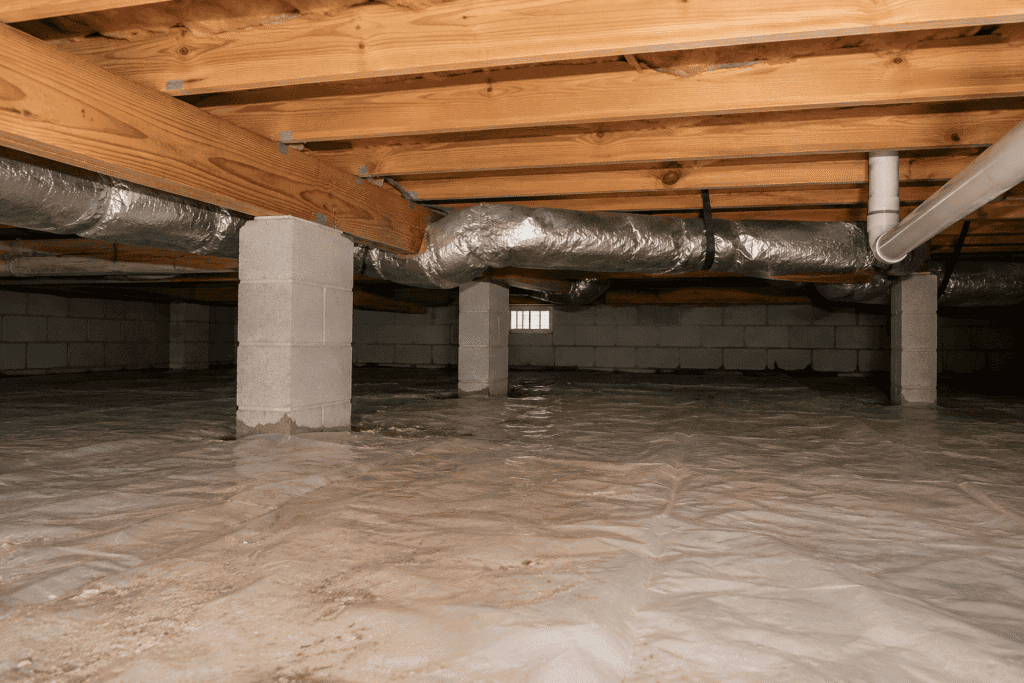
Crawl spaces are easy to ignore because most homeowners do not see them every day. But if your crawl space has high humidity, standing water, wood rot, musty smells, or mold growth, the moisture problem may not stay hidden for long.
A damp crawl space can affect the air above it, the floor joists below your living space, your insulation, and even your indoor air quality. In many homes, especially in humid parts of the United States, a small portable unit is not enough to keep moisture levels under control.
That is where a crawl space dehumidifier can make a major difference.
A good crawlspace dehumidifier is designed for tight spaces, continuous operation, gravity drainage or pump drainage, and reliable humidity control. The right size dehumidifier can help remove excess moisture, protect against water damage, reduce musty odors, and help your crawl space perform better over time.
Below, we’ll cover when you need a crawl space dehumidifier, signs it may be time to upgrade, how to choose the right dehumidifier, and when a higher capacity model makes more sense than a small basement dehumidifier.
What Does a Crawl Space Dehumidifier Do?
A crawl space dehumidifier removes water vapor from humid air and collects it as pints of water. Depending on the model, the water may drain through a gravity drainage hose, a pump drain hose, or a built-in condensate pump.
Unlike small dehumidifiers made for bedrooms or smaller spaces, crawl space dehumidifiers are usually built for harsher crawl space conditions. They often have a compact design, stronger airflow, digital controls, automatic defrost, and the ability to run for long distances with a drain hose.
The goal is not just comfort. It is moisture control.
When crawl space humidity stays too high, the area can become a breeding ground for mold, mildew, dust mites, pests, and wood rot. Over time, excess humidity can contribute to structural damages, especially if floor joists, subflooring, or insulation stay damp for long periods.
For most homes, the best option is to keep relative humidity in a controlled range instead of letting the crawl space swing between damp, dry, and damp again.
Ideal Crawl Space Humidity Levels
A crawl space should generally stay below 60% relative humidity, and many homeowners aim for the 30% to 50% range when possible. Once humidity levels stay above 60%, the risk of mold growth and damp building materials starts to increase.
This is why a humidity gauge is one of the first things homeowners should buy before choosing a dehumidifier. You do not want to guess based only on smell or how the crawl space feels. A simple digital control panel or standalone hygrometer can tell you whether the space is staying too humid.
Signs of poor crawl space humidity control include:
- Musty smells inside the home
- Condensation on ducts, pipes, or insulation
- Damp insulation
- Soft or stained wood
- Rust on metal components
- Mold spots on joists or subflooring
- Pest activity
- A damp feeling in nearby rooms
- Higher indoor humidity upstairs
If your crawl space humidity is consistently high, a crawl space dehumidifier may be the right choice.
Signs You Need a Crawl Space Dehumidifier
Not every crawl space needs a dehumidifier, but some warning signs are hard to ignore. If you notice several of these issues, the crawl space may need better moisture control.
1. Your crawl space smells musty
A musty odor is one of the most common signs of excess moisture. Even if you do not see mold growth, a musty smell can mean the crawl space has damp materials, humid air, or hidden mold.
This smell can move into your living space through air leaks, gaps around plumbing, ductwork, or the natural stack effect of the home. If your first floor smells damp after heavy rain or during summer, your crawl space may be part of the problem.
2. Humidity stays high even without standing water
Standing water is an obvious issue, but you can have a moisture problem even when the crawl space floor looks dry. Water vapor from soil, foundation walls, vents, or outside air can keep humidity levels high.
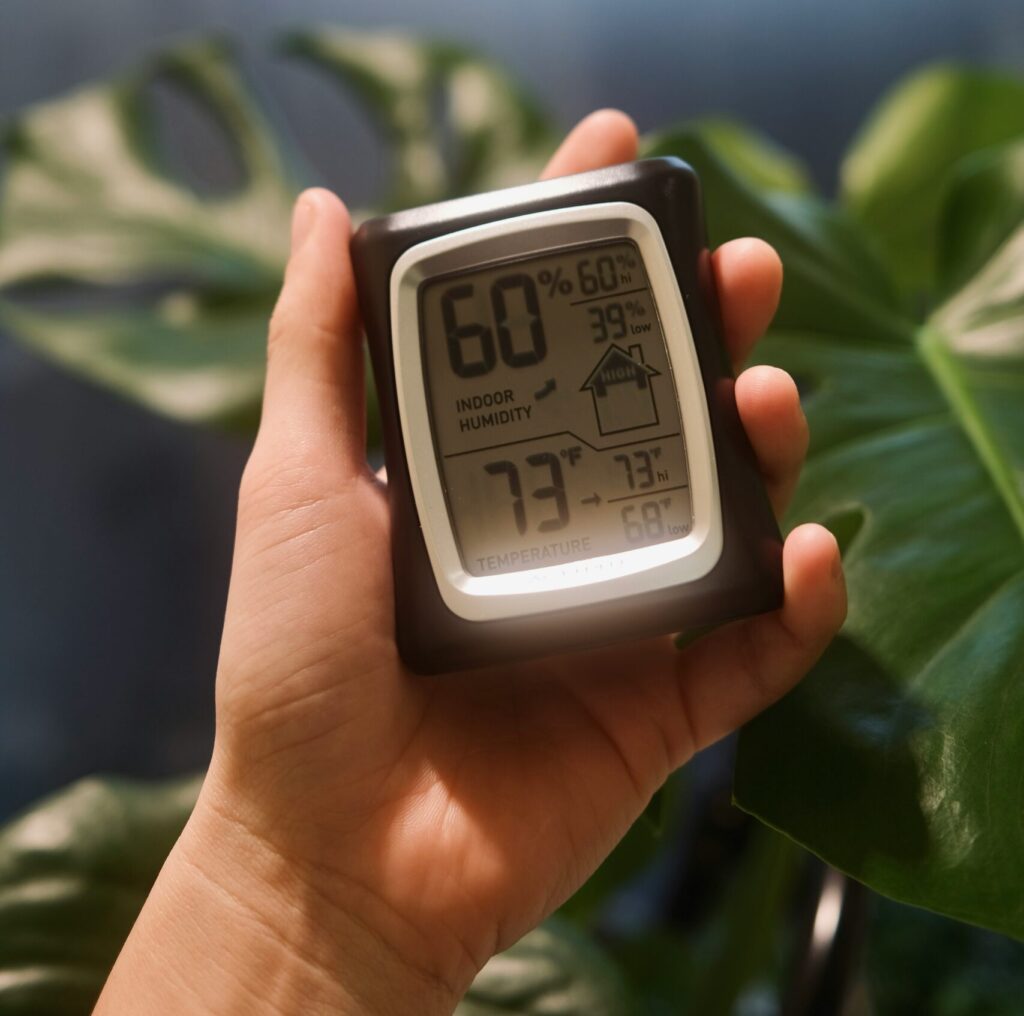
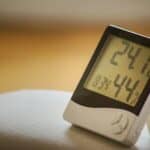
This is especially common in crawl spaces with a dirt floor or an incomplete vapor barrier. Humid air does not need puddles to create problems. If the relative humidity stays high, the crawl space can still support mold growth, wood rot, and poor indoor air quality. It may be worth investing into a wood moisture meter or digital hygrometer (pictured)
These measures the relative humidity in your crawl space or the wood in the space. These one of the cheapest and easiest ways to tell whether the air under your home is staying too damp.
3. You have condensation on ducts, pipes, or insulation
Condensation happens when humid air contacts a cooler surface. In crawl spaces, this often appears on metal ducts, plumbing lines, insulation, or foundation walls.
If you see sweating pipes or damp ductwork, the air may contain too much moisture. A dehumidifier can help reduce the amount of water vapor in the air, but you should also check for air leaks, missing insulation, and drainage problems.
4. You notice mold growth or mildew
Mold needs moisture to grow. If you see mold on floor joists, subflooring, insulation, cardboard, stored items, or wood framing, the moisture source needs to be corrected.
A crawl space dehumidifier can help control humidity, but it is not a substitute for cleanup or repairs. If mold is already present, you may need to clean the affected area, remove damaged materials, improve drainage, and fix the moisture problem before relying on a dehumidifier for long-term performance.
5. Your floors feel damp, soft, or uneven
Moisture in a crawl space can affect the floor system above it. Over time, damp floor joists or subflooring can lead to wood rot, sagging floors, soft spots, or musty odors in the living space.
A dehumidifier will not repair structural damage, but it can help reduce the excess humidity that contributes to long-term wood problems.
6. Your crawl space is used as a storage area
If you store decorations, tools, boxes, seasonal items, or household goods in a crawl space, humidity control becomes more important. Cardboard, fabric, paper, and wood can absorb moisture quickly.
A crawl space that feels “fine” for the structure may still be too damp for storage. If you want better results and less musty odor, reliable dehumidifiers with continuous drainage are a better choice than small dehumidifiers that need to be emptied by hand.
7. You recently had a leak, flood, or sump pump issue
If your crawl space had water damage from a plumbing leak, storm, foundation seepage, sump pump failure, or power outage, moisture can remain in wood, insulation, and air pockets long after the water is removed.
In this situation, a powerful dehumidifier can help dry the space more consistently. You may also need fans, cleanup, a sump pump repair, drainage work, or professional help if materials were wet for too long.
Crawl Space Dehumidifier vs. Basement Dehumidifier
A basement dehumidifier and a crawl space dehumidifier both remove moisture from the air, but they are not always built for the same environment.
A standard basement dehumidifier is often upright, portable, and designed for residential use in a living space. It may work well in a finished basement, laundry room, or utility area.
A crawl space dehumidifier is usually more compact, rugged, and easier to place in low-clearance crawl spaces. Many models are built for continuous operation, remote control, pump drainage, and tight spaces where you do not want to crawl in every day to empty a bucket.
Here is a simple way to think about it:
| Situation | Better Fit |
|---|---|
| Finished basement with moderate humidity | Basement dehumidifier |
| Large basement with recurring dampness | Higher capacity basement dehumidifier |
| Tight crawl space with high humidity | Crawl space dehumidifier |
| Crawl space with no easy floor drain | Built-in pump or pump drain hose model |
| Crawl space after water damage | Higher capacity crawl space dehumidifier |
| Commercial spaces or larger areas | Pint commercial dehumidifier or higher capacity model |
For homeowners choosing between both types, square footage, humidity levels, drainage options, ambient temperature, and access all matter.
When a Small Dehumidifier Is Not Enough
Small dehumidifiers can be useful in small spaces, but they often struggle in crawl spaces. A unit that works in a bedroom may not be the best dehumidifier for a damp crawl space.
You may need a higher capacity unit if:
- The crawl space is large
- The square footage is over the small-unit rating
- Humidity levels remain high after several days
- The unit runs constantly but does not reach the target RH
- You have a dirt floor or weak vapor barrier
- There is a history of water damage
- The space smells musty during summer
- You need continuous operation
- You do not want to empty a bucket manually
- The drain point is far away
This is where a larger crawl space dehumidifier can be a great choice. Instead of cycling on and off in a small area, a higher capacity model can remove more pints of moisture and maintain peak performance in more demanding conditions.
Product Option: Waykar 120 Pint Energy Star Dehumidifier
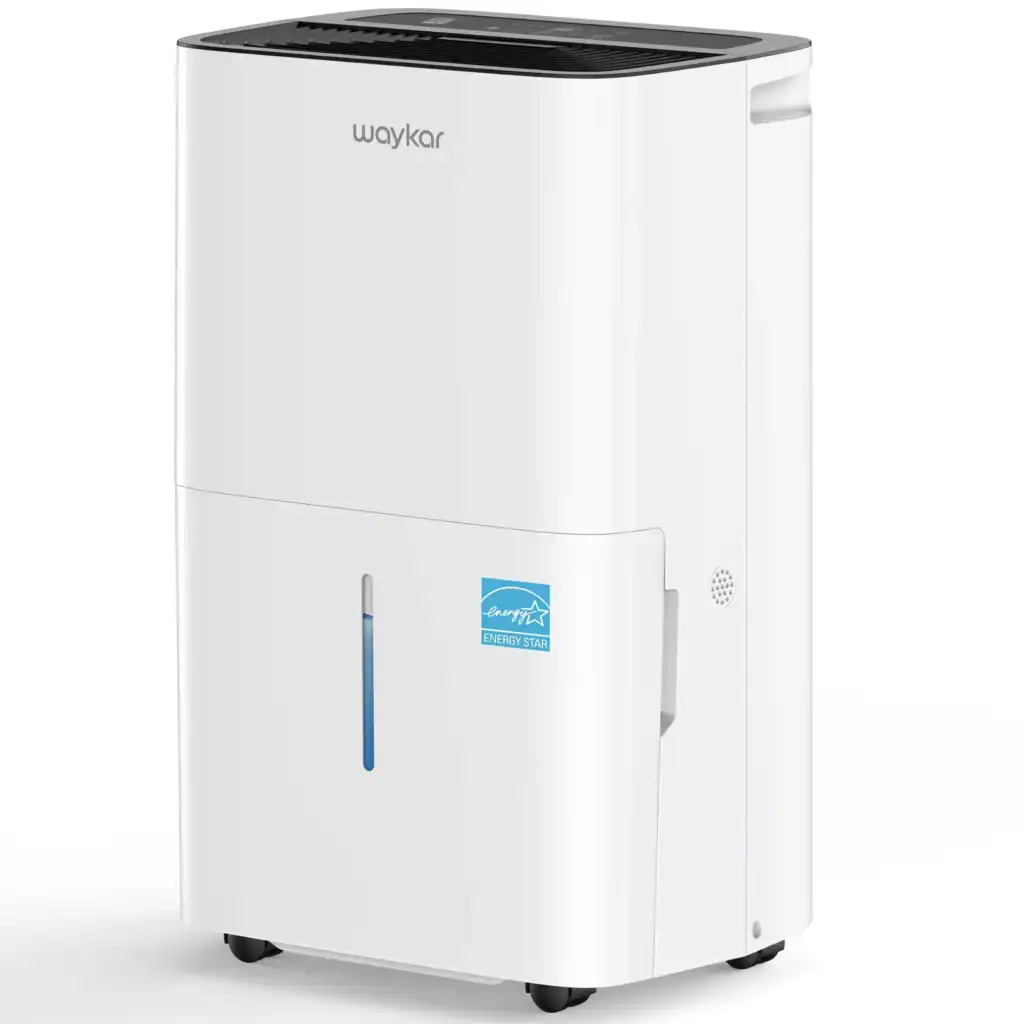
For many homeowners, the Waykar 120 Pint Energy Star Dehumidifier is a practical option for basements, large rooms, and moisture-prone areas where you want a residential dehumidifier with strong daily moisture removal.
Best for:
- Basements
- Large rooms
- Finished or semi-finished spaces
- General indoor humidity control
- Homeowners who want an Energy Star option
- Areas where a crawl space unit may be more than you need
Why it makes sense:
The Waykar 120 Pint Energy Star Dehumidifier is a good fit when you are dealing with high humidity but not necessarily a severe crawl space moisture problem. If your basement feels damp, smells musty, or needs better indoor air quality, this type of unit may be enough.
It can also be a good choice before painting basement walls, storing items downstairs, or trying to keep humidity levels more consistent in a living space.
Product Option: Waykar 158 Pint Crawl Space Dehumidifier
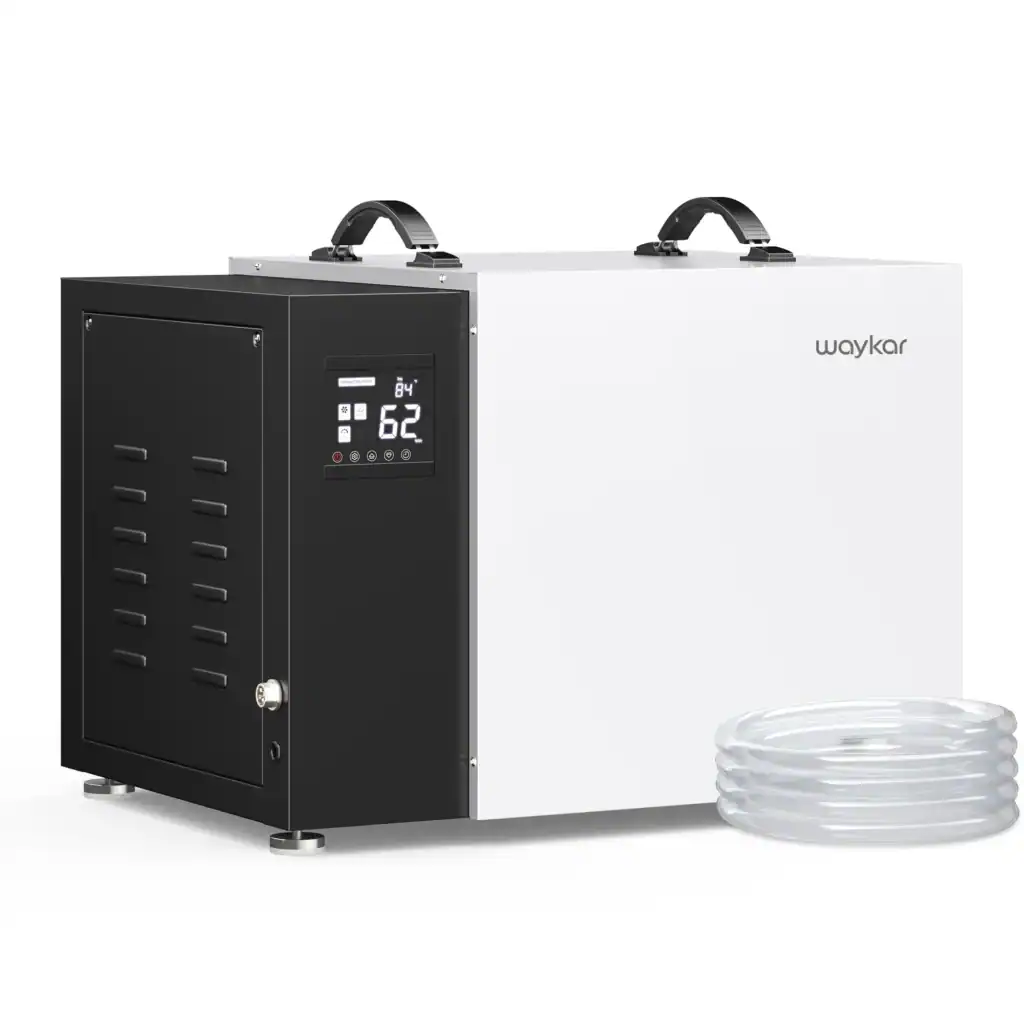
For crawl spaces, larger areas, commercial spaces, or homes with persistent moisture problems, the Waykar 158 Pint Crawl Space Dehumidifier is the stronger fit.
Best for:
- Crawl spaces
- Large crawl spaces
- Damp basements
- Commercial spaces
- Water damage recovery
- High humidity conditions
- Spaces that need continuous operation
- Homes that need a built-in pump or pump drain hose
Why it makes sense:
The Waykar 158 Pint Crawl Space Dehumidifier is designed for higher capacity moisture removal. That makes it a better choice when a smaller size unit cannot keep up. If you are dealing with excess moisture, wood rot concerns, crawl space encapsulation, or long-term humidity control, a crawl space-specific model is usually the better option.
The higher capacity can also help in larger areas where square feet, air movement, and drainage distance matter. If you need the unit to move water to a drain, sump pump area, or another location, a built-in condensate pump can be more convenient than relying only on gravity drainage.
Crawl Space Encapsulation and Dehumidifiers
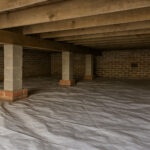
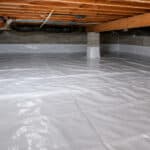
A crawl space dehumidifier works best when the crawl space is properly sealed and protected from ground moisture.
That is why many crawl space moisture projects include some combination of:
- Crawl space encapsulation
- A vapor barrier
- Sealed vents
- Improved drainage
- Sump pumps
- Air sealing
- Insulation
- A crawlspace dehumidifier
A vapor barrier helps reduce water vapor coming up from the soil. Without one, your dehumidifier may have to work harder because new moisture keeps entering from the ground.
If your crawl space has a bare dirt floor, torn plastic, open vents, or foundation leaks, the dehumidifier may still help, but it may not solve the entire problem by itself.
How to Choose the Right Size Dehumidifier
Choosing the right size dehumidifier depends on more than just the square footage listed on the box. You should also consider moisture levels, crawl space conditions, drainage, temperature, and whether the unit will be used for residential crawl space moisture control or a more demanding situation.
Look at these factors:
Square footage
Start with the size of the crawl space or basement. A smaller crawl space may not need a huge unit, but larger crawl spaces need more capacity. If the unit is too small, it may run constantly without achieving reliable humidity control.
Humidity level
A crawl space at 55% RH is different from one sitting at 75% RH. High humidity requires more moisture removal. If the space feels wet, smells musty, or has visible condensation, choose a more powerful dehumidifier.
Drainage
Think about where the collected water will go. If you have a nearby floor drain, gravity drainage may work. If the water needs to move upward or across a long distance, choose a unit with a built-in pump or pump drain hose.
Temperature
Some crawl spaces get cool, especially during winter. Automatic defrost can help protect performance when the ambient temperature drops. Without it, coils may freeze and the unit may stop removing moisture efficiently.
Access
Low-clearance crawl spaces are harder to service. A compact design, remote control, digital controls, and continuous operation can make the dehumidifier installation easier to live with.
Energy efficiency
Energy efficiency matters because crawl space dehumidifiers may run often during humid months. An efficient dehumidifier can help manage energy costs while still removing excess humidity.
Dehumidifier Features Worth Looking For
When comparing the best crawl space dehumidifiers, look beyond price alone. The best value is usually the unit that matches your moisture problem and does not need constant attention.
Helpful features include:
- Built-in pump
- Gravity drainage option
- Pump drain hose
- Digital controls
- Remote control
- Automatic defrost
- Continuous operation
- Compact size
- Durable casing
- Energy Star rating when available
- Quiet or reasonable noise levels
- Strong moisture removal capacity
- Limited warranty
- Easy filter access
- Reliable humidity control
For crawl spaces, convenience matters. If you have to crawl under the house every day to empty a bucket or reset the control panel, you probably bought the wrong dehumidifier.
Do You Still Need Waterproofing?
A crawl space dehumidifier helps remove moisture from humid air. It does not stop bulk water from entering the crawl space.
If you have standing water, foundation leaks, clogged drains, poor grading, or a failing sump pump, you should fix those problems too. Otherwise, the dehumidifier may be forced to fight a moisture source that never stops.
A dehumidifier is part of a moisture control system. It works best when combined with proper drainage, air sealing, and waterproofing when needed.
Crawl Space Dehumidifier Maintenance
A crawl space dehumidifier should be checked regularly so it can keep working properly.
Basic maintenance includes:
- Cleaning or replacing the filter
- Checking the drain hose for clogs
- Making sure the pump is working
- Confirming the control panel settings
- Watching the humidity level
- Looking for new water stains or leaks
- Making sure the unit has enough clearance for airflow
- Checking after a storm or power outage
A power outage can shut off the dehumidifier, sump pump, or both. If your home loses power during a storm, check the crawl space afterward. Even a short outage can matter if there was heavy rain and the sump pump stopped working.
When to Upgrade Your Dehumidifier
You should consider upgrading if your current unit cannot keep up.
Signs it is time to upgrade include:
- The unit runs nonstop
- Humidity stays above 60%
- The bucket fills too quickly
- The crawl space still smells musty
- You still see condensation
- The area is too large for the unit
- You need better drainage options
- You want continuous operation
- You need a built-in condensate pump
- The old unit is noisy or inefficient
- Mold or wood rot keeps coming back
In many cases, homeowners start with a small dehumidifier because it is cheaper. But if the crawl space is large, damp, or hard to access, a higher capacity unit often delivers better results.
Cheap Tools That Help You Know If Your Crawl Space Is Too Damp
Before you spend money on a crawl space dehumidifier, it helps to know how much moisture you are actually dealing with. Two inexpensive tools can make that much easier: a digital hygrometer and a wood moisture meter.
These will not fix the moisture problem on their own, but they can help you understand whether your crawl space has high humidity, damp wood, or early warning signs of a larger issue.
Digital Hygrometer
A digital hygrometer measures the relative humidity in your crawl space. This is one of the cheapest and easiest ways to tell whether the air under your home is staying too damp.
If your crawl space humidity is regularly above 60%, that is a sign the space may need better moisture control. A hygrometer can help you track humidity levels before and after using a dehumidifier, sealing vents, improving drainage, or adding a vapor barrier.
A digital hygrometer is especially useful if:
- Your crawl space smells musty
- You are not sure if the space is actually too humid
- You want to monitor humidity after heavy rain
- You recently installed a vapor barrier
- You want to see if your dehumidifier is working
- You want a cheap way to check moisture levels before buying a larger unit
For most homeowners, this should be the first tool to buy. It gives you a simple reading instead of forcing you to guess based on smell, dampness, or condensation.
Recommended product: Digital Hygrometer
Best for: Checking crawl space humidity before buying a dehumidifier
CTA: Check today’s price on Amazon
Wood Moisture Meter
A wood moisture meter helps you check whether wood framing, floor joists, subflooring, or other wood surfaces in your crawl space are holding moisture.
This is important because crawl space moisture does not only affect the air. If excess humidity or water vapor sits under your home long enough, it can affect wood materials too. Damp wood may increase the risk of mold growth, wood rot, musty odors, and structural damage over time.
A wood moisture meter is useful if:
- Your crawl space has exposed floor joists
- The wood looks stained, dark, or soft
- You notice musty odors upstairs
- You are worried about wood rot
- You had a leak, flood, or drainage issue
- You want to check the crawl space before finishing a basement or making repairs
This tool is not a replacement for a professional inspection, but it can help you spot areas that deserve a closer look. If the wood reads high in several areas, that may be a sign that your crawl space needs better drainage, a vapor barrier, waterproofing, or a crawl space dehumidifier.
Recommended product: Wood Moisture Meter
Best for: Checking damp joists, subflooring, and wood framing
CTA: Check today’s price on Amazon
Quick Comparison
| Tool | What It Checks | Why It Helps |
|---|---|---|
| Digital hygrometer | Air humidity | Helps you see if crawl space humidity is too high |
| Wood moisture meter | Moisture inside wood | Helps identify damp joists, subflooring, or possible wood rot concerns |
If you are not sure whether you need a crawl space dehumidifier yet, start with a digital hygrometer. If you already see stained wood, soft spots, or signs of wood rot, add a wood moisture meter too.
Do You Need a Crawl Space Dehumidifier?
You may need a crawl space dehumidifier if your crawl space has high humidity, musty smells, condensation, mold growth, wood rot, water damage, or damp insulation. You may also need one if your basement or first floor feels humid and the moisture appears to be coming from below the home.
For general basement humidity control, the Waykar 120 Pint Energy Star Dehumidifier may be the right fit.
For larger crawl spaces, serious moisture problems, commercial spaces, or homes that need higher capacity moisture removal, the Waykar 158 Pint Crawl Space Dehumidifier is likely the better choice.
The key is to match the unit to your crawl space conditions. A smaller size model can work in small spaces, but a larger, powerful dehumidifier is often the better option when you need long-term performance, reliable humidity control, and fewer moisture problems under your home.
Crawl Space Dehumidifier FAQ
1) What humidity should a crawl space be?
Answer: A crawl space should generally stay below 60% relative humidity, with many homeowners aiming for 30% to 50% when possible. If humidity levels stay higher than that, the risk of mold growth, musty odors, pests, and wood rot can increase.
2) Is a crawl space dehumidifier worth it?
Answer: A crawl space dehumidifier is worth it if your crawl space has high humidity, excess moisture, musty smells, condensation, or mold concerns. It can also help protect floor joists, stored items, insulation, and indoor air quality.
3) Can I use a regular basement dehumidifier in a crawl space?
Answer: Sometimes, but it depends on the crawl space. A regular basement dehumidifier may work in an accessible, dry, mild space. For tight spaces, large crawl spaces, high humidity, or continuous operation, a crawl space dehumidifier is usually a better choice.
4) Do I need a dehumidifier if I have a vapor barrier?
Answer: You may still need a dehumidifier even with a vapor barrier. A vapor barrier reduces ground moisture, but humid air, foundation seepage, leaks, vents, and drainage problems can still raise crawl space humidity.
5) What size crawl space dehumidifier do I need?
Answer: The right size depends on square footage, moisture levels, drainage, temperature, and crawl space conditions. Smaller crawl spaces with moderate humidity may need less capacity, while large crawl spaces, damp basements, or water damage areas usually need a higher capacity unit.
6) Should a crawl space dehumidifier run all the time?
Answer: Many crawl space dehumidifiers are designed for continuous operation, but they should cycle based on the humidity setting. If the unit never shuts off and humidity remains high, it may be undersized or the crawl space may have an unresolved moisture source.
7) Where should a crawl space dehumidifier drain?
Answer: A crawl space dehumidifier can drain to a floor drain, sump pump basin, condensate line, or another approved drainage location. If the drain is not nearby or the water has to travel upward, choose a unit with a built-in pump or pump drain hose.

Pingback: Crawl Space Vapor Barrier: What It Does and When You Need One