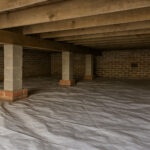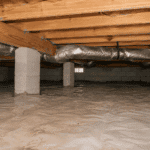
Moisture is one of the biggest problems in crawl spaces. Even if your crawl space does not have standing water, moisture from the ground can rise into the area below your home and create problems over time.
A crawl space vapor barrier is one of the simplest ways to help control that moisture. It creates a protective layer between the exposed soil and the underside of your home, helping reduce humidity, musty smells, mold risk, and wood rot.
If you are comparing foundation types, start with our guide to concrete slab vs crawl space construction. Crawl spaces offer easier access to plumbing, wiring, and HVAC systems, but they also need better moisture control than a basic slab foundation.
What Is a Crawl Space Vapor Barrier?
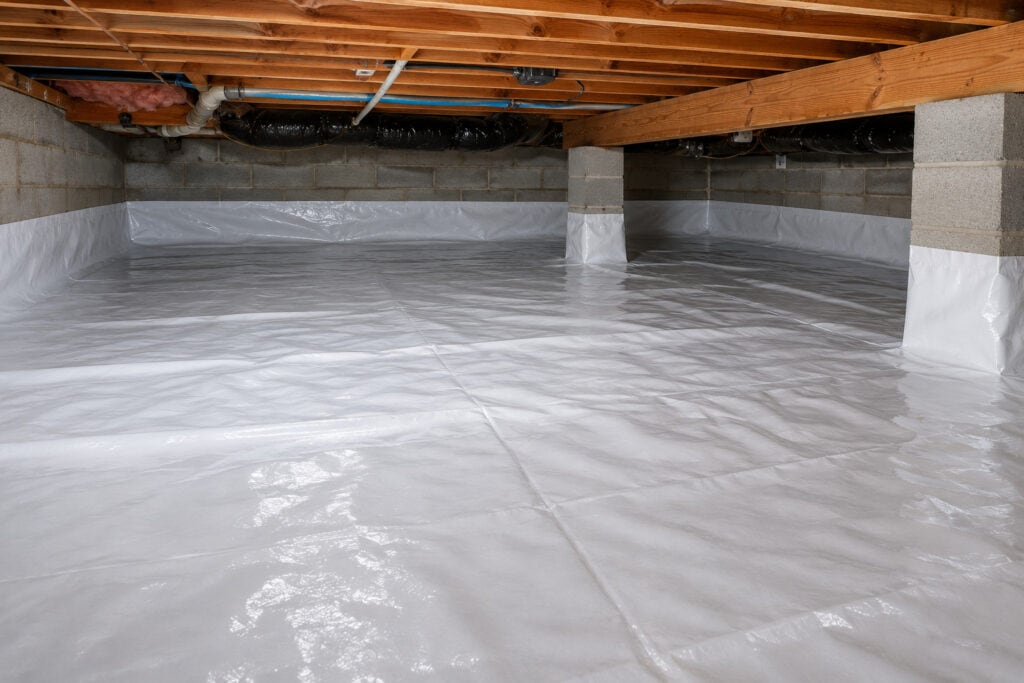
A crawl space vapor barrier is a sheet of plastic material installed over the ground inside a crawl space. Its main job is to slow or block moisture vapor from rising out of the soil and into the crawl space air.
Most crawl space vapor barriers are made from polyethylene plastic. They come in different thicknesses, usually measured in mils. Common options include 6 mil, 10 mil, 12 mil, and 20 mil plastic.
For basic moisture control, some homeowners use thinner plastic. For a more durable crawl space encapsulation project, a thicker option is usually better because it is less likely to tear during installation or future maintenance.
Why Crawl Spaces Get Moisture Problems
Crawl spaces are naturally vulnerable to moisture because they sit close to the ground. Even when the soil looks dry, it can still release water vapor into the air.
Common causes of crawl space moisture include poor exterior drainage, exposed dirt floors, open vents in humid climates, leaking pipes, standing water after heavy rain, missing vapor barriers, and gaps around crawl space doors or vents.
Over time, that moisture can lead to mold growth, musty odors, pest activity, wood rot, and higher indoor humidity. This is why a crawl space vapor barrier is often recommended as part of a larger moisture-control plan.
What Does a Vapor Barrier Actually Do?
A vapor barrier does not waterproof your entire crawl space by itself. It is not the same thing as a sump pump, drainage system, or foundation waterproofing membrane.
Instead, it helps reduce moisture vapor coming from the ground.
A properly installed crawl space vapor barrier can help lower crawl space humidity, reduce musty smells, protect floor joists from excess moisture, make the crawl space cleaner and easier to access, improve the performance of a crawl space dehumidifier, and support a more complete crawl space encapsulation system.
For many homeowners, the biggest benefit is prevention. Moisture problems can become expensive if they lead to mold, wood damage, or foundation repair issues.
Recommended Crawl Space Vapor Barrier
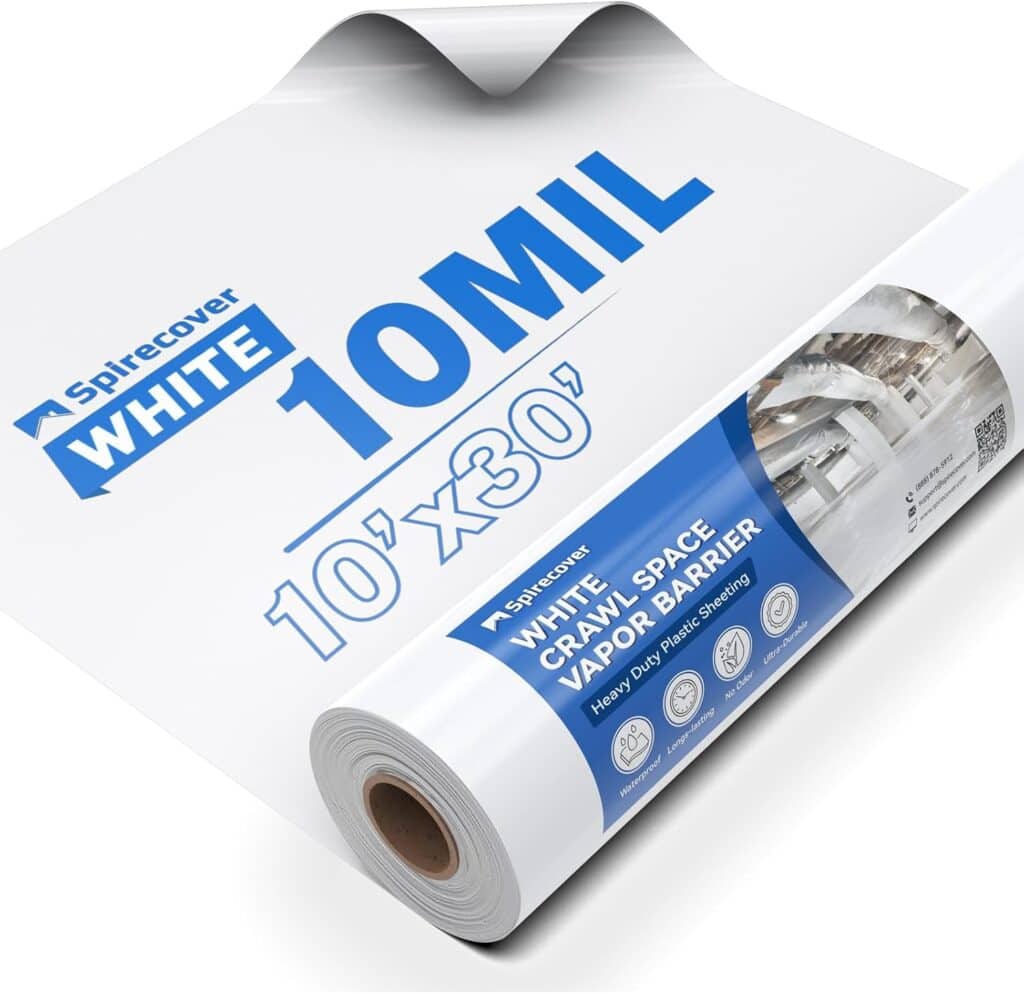
For homeowners looking for a heavier-duty crawl space liner, the SPIRECOVER Crawl Space Vapor Barrier, 10 mil 10′ x 30′ is a strong option to consider.
A 10 mil vapor barrier is thicker than basic 6 mil plastic and is better suited for crawl space moisture-control projects where durability matters. The smaller 10′ x 30′ roll can be a more affordable option for DIY homeowners working on a smaller crawl space, covering a problem area, or replacing damaged plastic without buying more material than they need.
For larger crawl spaces or full encapsulation-style projects, you may want to choose a larger roll size, like theSPIRECOVER Crawl Space Vapor Barrier, 10 mil 10′ x 100′ if available.
This type of crawl space moisture barrier makes the most sense for homwners who want more than thin plastic sheeting but are not necessarily paying for a full professional encapsulation system.
Do You Need Vapor Barrier Tape?
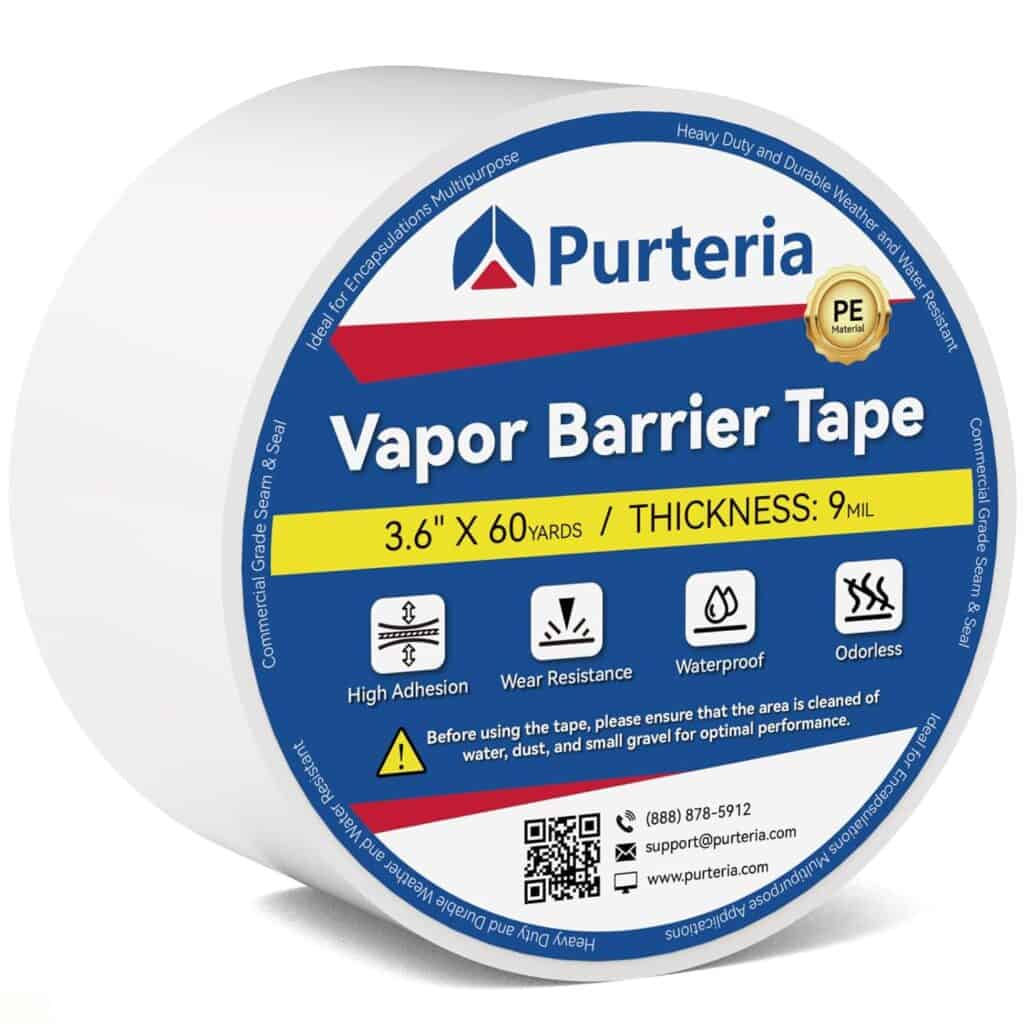
Yes, in most cases. The plastic sheet is only part of the job. If the seams, overlaps, and edges are left open, moisture vapor can still move through gaps.
That is where vapor barrier tape comes in.
For sealing seams and overlaps, the PURTERIA Vapor Barrier Tape, 3.6″ x 180′ is a useful add-on product. It is designed for sealing vapor barriers, crawl space liners, plastic sheeting, and similar moisture-control materials.
The wider tape size is helpful because it gives you more coverage over seams and edges. This is especially useful in crawl spaces where the ground may not be perfectly smooth.
Even a good vapor barrier can underperform if the seams are not sealed correctly, so using the right tape matters.
How Thick Should a Crawl Space Vapor Barrier Be?
The right thickness depends on your crawl space and your budget.
A 6 mil vapor barrier is usually the cheaper option, but it can tear more easily. It may be fine for light-duty use, but it is not always ideal if people need to crawl over it for inspections or repairs.
A 10 mil vapor barrier is a good middle-ground option for many homeowners. It is thicker, more durable, and better suited for crawl space moisture control.
A 12 mil or 20 mil vapor barrier may be worth considering for rough crawl spaces, heavy use, or more advanced encapsulation projects.
For most DIY homeowners, a 10 mil crawl space vapor barrier is a practical balance between cost and durability.
How to Install a Crawl Space Vapor Barrier
Before installing a vapor barrier, remove debris, sharp rocks, old plastic, and anything that could puncture the material. If there is standing water, drainage issues, or active mold, deal with those problems first.
Start by cleaning and leveling the crawl space floor as much as possible. Remove loose debris and check for sharp objects that could rip the plastic.
Next, roll out the vapor barrier across the ground. Overlap seams by at least several inches so there are no exposed gaps between sheets.
Then, use vapor barrier tape to seal the seams. Press the tape firmly across the overlap so it bonds well to the plastic.
After that, run the vapor barrier up the foundation walls or piers if your project calls for a more complete encapsulation-style installation.
Finally, inspect the entire crawl space for missed gaps, loose edges, or areas where the plastic may shift.
Should You Cover the Crawl Space Walls Too?
For basic moisture control, many homeowners start by covering the ground. This is better than leaving exposed soil uncovered.
For a more complete crawl space encapsulation project, the vapor barrier may also extend up the foundation walls and around piers. This helps create a cleaner and more controlled environment.
However, wall coverage depends on the condition of your crawl space, local building practices, and whether you are doing a DIY project or hiring a professional.
If your crawl space has major water intrusion, foundation cracks, or drainage problems, it is smart to talk to a basement or crawl space contractor before covering everything.
Do You Also Need a Crawl Space Dehumidifier?
A crawl space vapor barrier helps block moisture coming up from the ground, but it does not remove humidity that is already in the air. In humid climates, or in crawl spaces that still feel damp after the vapor barrier is installed, a crawl space dehumidifier can be a smart next step.
A vapor barrier is a great first step, but it does not replace humidity control. If your crawl space still feels damp, smells musty, or has high humidity after the liner is installed, read our full guide on when you need a crawl space dehumidifier.
For larger crawl spaces, basements, or moisture-prone areas, the Waykar 158 Pint Crawl Space Dehumidifier with Pump and Drain Hose is a higher-capacity option designed for basements, crawl spaces, commercial spaces, and water-damage-prone areas.
The built-in pump and drain hose are especially useful because they allow the unit to drain continuously instead of relying only on a water bucket. That matters in crawl spaces because you usually do not want to climb under the house every day to empty a tank.
A vapor barrier, sealed seams, and a dehumidifier work best together. The vapor barrier helps limit moisture from the ground, the vapor barrier tape helps seal the gaps, and the dehumidifier helps keep the crawl space air drier over time.
Vapor Barrier vs Crawl Space Encapsulation
A crawl space vapor barrier is one part of crawl space encapsulation.
Encapsulation usually includes a ground vapor barrier, sealed seams, covered foundation walls, closed or sealed crawl space vents, air sealing, insulation improvements, and a crawl space dehumidifier.
A vapor barrier alone can help with ground moisture, but encapsulation is a more complete system. If your crawl space smells musty, has high humidity, or affects the air quality in your home, encapsulation may be worth exploring.
Common Mistakes to Avoid
The biggest mistake is laying plastic down without sealing the seams. Moisture can still escape through the gaps, which reduces the value of the project.
Another mistake is using plastic that is too thin for the crawl space. Thin plastic may be cheaper, but it can rip easily if the crawl space is rough or if contractors need to access plumbing and electrical systems.
You should also avoid ignoring drainage. A vapor barrier helps with moisture vapor, but it will not fix water pooling under your home.
Finally, do not block important access points. You still need to reach plumbing, wiring, ductwork, and crawl space doors when future repairs are needed.
When to Call a Professional
A DIY crawl space vapor barrier project can make sense if your crawl space is dry, accessible, and free of major mold or standing water.
Call a professional if you notice standing water, mold growth, rotting wood, sagging floors, foundation cracks, strong musty odors, pest infestations, or drainage problems around the home.
In those cases, the vapor barrier may still be part of the solution, but it should not be the only solution.
Upgrade Time?
A crawl space vapor barrier is one of the most practical upgrades for reducing ground moisture below your home. It can help keep the crawl space cleaner, drier, and less vulnerable to mold, odors, and wood damage.
For a durable liner, the SPIRECOVER Crawl Space Vapor Barrier, 10 mil 10′ x 30′ is a good product to feature. For sealing the seams and overlaps, the PURTERIA Vapor Barrier Tape, 3.6″ x 180′ is the natural companion product.
For homes with high crawl space humidity, the Waykar 158 Pint Crawl Space Dehumidifier with Pump and Drain Hose may also be worth considering as the next step after the liner is installed.
Together, the vapor barrier, tape, and dehumidifier give you a cleaner, more complete crawl space moisture-control setup than plastic sheeting alone.