When a hurricane moves through Coastal Virginia, homeowners often focus on the most visible damage first, like fallen trees, damaged roofs, standing water, and power outages. However, one of the biggest problems can begin quietly after the storm has passed: mold growth.
A flooded home can create the perfect environment for mold within a short period of time. Warm temperatures, high humidity, and moisture trapped inside walls, floors, crawl spaces, and belongings allow mold spores that naturally exist in the environment to grow rapidly.
For homeowners recovering after hurricane flooding, understanding why mold spreads so quickly is an important step toward protecting the property and maintaining a healthier indoor environment. Taking action early can help reduce long-term damage and the need for more extensive repairs.
Why does mold grow quickly after hurricane flooding?
Mold can begin growing within 24 to 48 hours after water exposure when moisture remains present. After a hurricane, homes in coastal areas often experience prolonged damp conditions because of heavy rainfall, flooding, and increased humidity.
Floodwater can enter areas that are difficult to see, including behind drywall, under flooring, inside insulation, and beneath crawl spaces. Even after visible water is removed, hidden moisture can continue supporting mold growth.
The combination of moisture, organic materials, and limited airflow creates ideal conditions for mold colonies to develop.
How Hurricane Flooding Creates Ideal Conditions for Mold Growth
Hurricane flooding creates several factors that accelerate mold development. Understanding these conditions can help homeowners recognize risks earlier.
| Factor After Hurricane Flooding | How It Encourages Mold Growth |
| Standing water | Provides constant moisture for mold spores to grow |
| High coastal humidity | Slows drying and keeps surfaces damp |
| Wet building materials | Drywall, wood, insulation, and carpet can absorb water |
| Poor ventilation | Prevents moisture from escaping quickly |
| Hidden leaks | Allows mold to grow in areas homeowners cannot easily see |
Coastal Virginia homes can be especially vulnerable because the region’s humidity levels can remain high even after a storm has passed. A home may appear dry on the surface while moisture remains trapped underneath.
Why Coastal Virginia Homes Face Higher Mold Risks After Storms
Coastal environments naturally have more moisture in the air compared with many inland areas. After a hurricane, this moisture combines with flood damage and creates additional challenges for homeowners.
Homes in areas such as Virginia Beach, Norfolk, and Chesapeake may experience:
- Flooding from heavy rainfall and storm surge
- Water intrusion through roofs, windows, and doors
- Moisture buildup in crawl spaces
- Increased indoor humidity after power outages
- Delayed drying because of limited air circulation
When electricity is unavailable, homeowners may not be able to run air conditioning systems, dehumidifiers, or fans that normally help control indoor moisture. As a result, damp conditions can continue for several days.
What Areas of a Flooded Home Are Most Likely to Develop Mold?
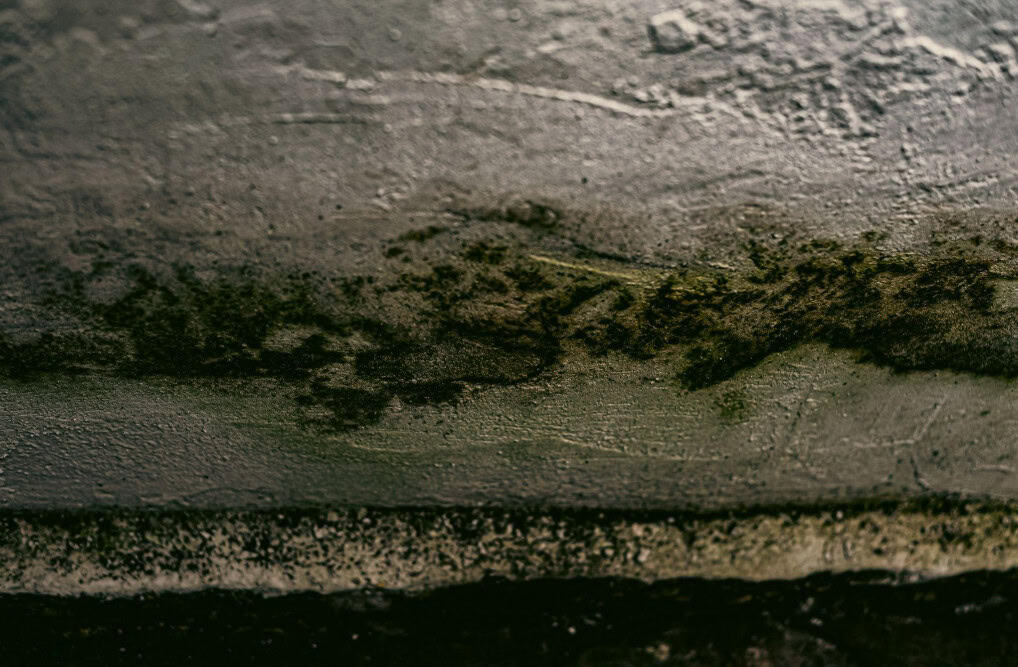
Mold does not only grow on surfaces where water is visible. After hurricane flooding, it often develops in hidden locations where moisture remains trapped.
Common areas affected include:
- Drywall and wall cavities
- Basement areas
- Crawl spaces
- Wooden framing
- Carpet and padding
- Furniture and stored belongings
- Insulation materials
- HVAC systems
Crawl spaces are particularly vulnerable because they often have limited airflow. Floodwater can leave behind moisture that remains trapped for extended periods, increasing the chance of mold growth.
What Steps Should Homeowners Take After Hurricane Flooding?
The first priority after flooding is safety. Before entering a damaged property, homeowners should consider risks such as electrical hazards, contaminated floodwater, and structural damage.
Once it is safe to begin cleanup, several steps can help limit mold development:
Remove Standing Water
Standing water provides a continuous moisture source for mold. Professional water extraction equipment may be needed when flooding is extensive or water has entered hidden areas.
Avoid Disturbing Contaminated Materials
Floodwater may contain bacteria, chemicals, and other contaminants. Removing damaged materials without proper precautions can spread contaminants throughout the home.
Inspect Hidden Moisture Areas
Walls, flooring, and crawl spaces should be checked for trapped moisture. Materials that remain wet may continue creating mold-friendly conditions.
Call a Professional Restoration Company
Professional assessment is an important step after water damage or suspected mold growth. Restoration experts can identify the extent of contamination, determine affected materials, and create a safe remediation plan.
A professional team can also help ensure proper containment, removal procedures, and documentation while reducing the risk of spreading contaminants throughout the property.
Dry Wet Materials After Remediation
Drying affected areas as soon as possible can reduce the chance of mold growth. This may involve using fans, dehumidifiers, and specialized drying equipment.
When Should Homeowners Consider Mold Remediation Services?
Many homeowners attempt to clean small areas of mold themselves, but hurricane-related mold problems can be more complicated. Flooding often affects areas beyond what is immediately visible.
Mold remediation services may be needed when:
- Mold growth covers a large area
- Floodwater affected drywall, insulation, or flooring
- Mold is present inside walls or HVAC systems
- Strong musty odors continue after drying
- Previous water damage was not fully addressed
Professional remediation focuses on identifying the source of moisture, containing affected areas, removing contaminated materials when necessary, and preventing further spread.
How Are Mold Removal and Remediation Services Different From Regular Cleaning?
Many people assume mold can simply be wiped away, but hurricane-related mold growth often requires a more detailed approach.
Regular cleaning may remove visible surface mold, but it does not always address the moisture source or hidden growth.
Mold removal and remediation services typically involve:
- Identifying affected areas
- Controlling moisture conditions
- Containing mold-affected spaces
- Removing damaged materials if required
- Cleaning and treating affected surfaces
- Restoring safe indoor conditions
The goal is not only to remove visible mold but also to address the conditions that allowed it to grow.
Why Fast Response Matters After Flood Damage
The longer moisture remains inside a home, the greater the opportunity for mold to spread. Delays can increase the amount of affected material and may lead to more complex repairs.
An emergency mold remediation response can help homeowners address urgent situations where flooding has created immediate mold risks. Quick action may help limit damage to structural materials and personal belongings.
Homeowners dealing with hurricane flooding should document damage, contact their insurance provider if needed, and begin moisture control efforts as soon as it is safe to do so.
Choosing the Right Mold Removal Company After Hurricane Flooding
Selecting a qualified professional is an important step when dealing with significant mold problems. Homeowners should look for experience with water damage, proper training, and a clear remediation process.
A reliable mold removal company should be able to explain:
- How moisture sources will be identified
- What areas need treatment
- How affected spaces will be contained
- What steps will be taken to prevent future problems
Homeowners can also review certifications, experience, and customer feedback before making a decision.
For residents dealing with storm-related moisture problems in Coastal Virginia, working with experienced professionals such as Emergency Restoration Services LLC can provide guidance on evaluating water damage and addressing mold concerns.
Key Takeaways
- Mold can begin growing within 24 to 48 hours after flooding if moisture remains.
- Coastal Virginia’s humidity can make post-hurricane drying more difficult.
- Hidden moisture behind walls, under floors, and in crawl spaces can support mold growth.
- Professional mold remediation services may be necessary for extensive or hidden mold problems.
- Drying out your home and moisture control are essential after storm damage.
- Preventing future moisture issues is just as important as addressing existing mold.
Conclusion
Hurricane flooding creates conditions where mold can spread quickly, especially in coastal regions where humidity levels remain high. While visible water damage is often the first concern, hidden moisture can create ongoing problems long after the storm has passed.
Understanding how mold develops and recognizing early warning signs can help homeowners make informed decisions after flooding. Whether the issue involves a damp crawl space, water-damaged materials, or widespread mold growth, addressing moisture problems quickly is one of the most effective ways to protect a home.
FAQs
1. Can mold affect a home even after floodwater is removed?
Yes. Moisture can remain trapped in building materials and hidden areas, allowing mold problems to continue after visible water is gone.
2. Why do coastal homes face more moisture challenges after hurricanes?
Coastal humidity can slow drying and make it harder for wet materials to release moisture quickly.
3. Can damaged furniture and belongings be restored after flooding?
Some items may be restored depending on the material, water exposure, and how quickly they are evaluated.
4. What should homeowners check after hurricane cleanup?
Homeowners should look for ongoing moisture issues, unusual odors, damaged materials, and areas where water may have entered unnoticed.
5. How can homeowners prepare their property before hurricane season?
Regular maintenance, proper drainage, sealing entry points, and reducing moisture risks can help limit storm-related damage.
6. Why is moisture detection important after flooding?
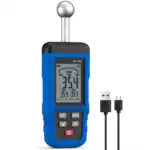
Moisture detection helps locate hidden damp areas that may not be visible but could contribute to future mold growth.